Past Exhibitions
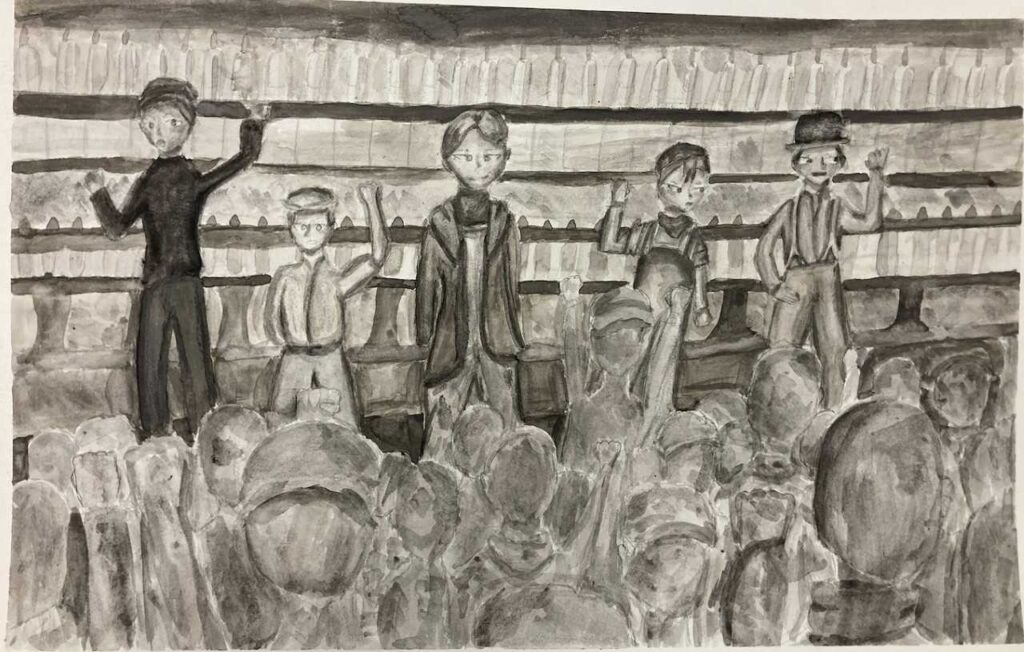
At Our Sisters’ School (OSS), the sixth grade integrated humanities and arts unit “New Bedford in the 1800s” hinges on the essential questions: What was happening in the US and in New Bedford during the 1800s? How has history and the environment shaped our community? How does art connect to our world and beyond?
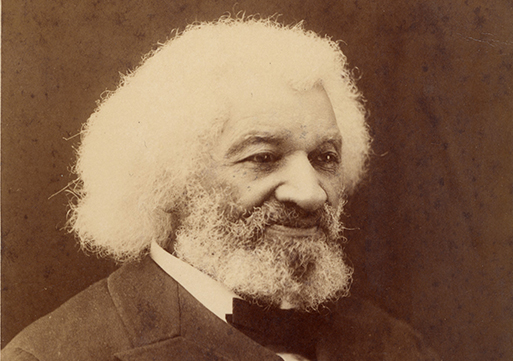
“Look pleasant, please”: Early Portrait Photography in New Bedford
January 16, 2026
September 7, 2026
Consider the rise of portrait photography in New Bedford from 1839 to 1900
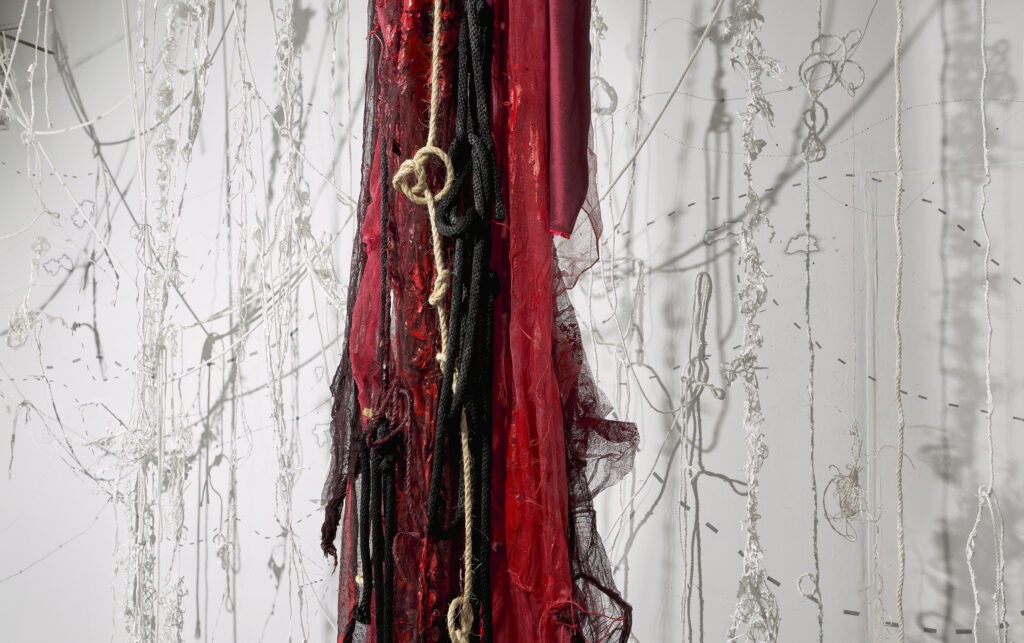
Reflect on Ahab’s obsession in Moby-Dick, and ties to American violence and public discourse
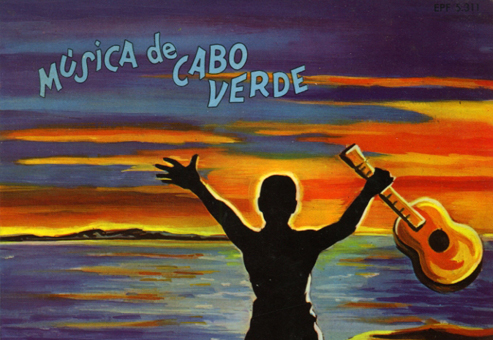
The temporary exhibition Morabeza: Cape Verdean Community in the South Coast is hosted in the San Francisco galleries, adjoining the permanent gallery devoted to Cape Verdean culture that opened in 2011.
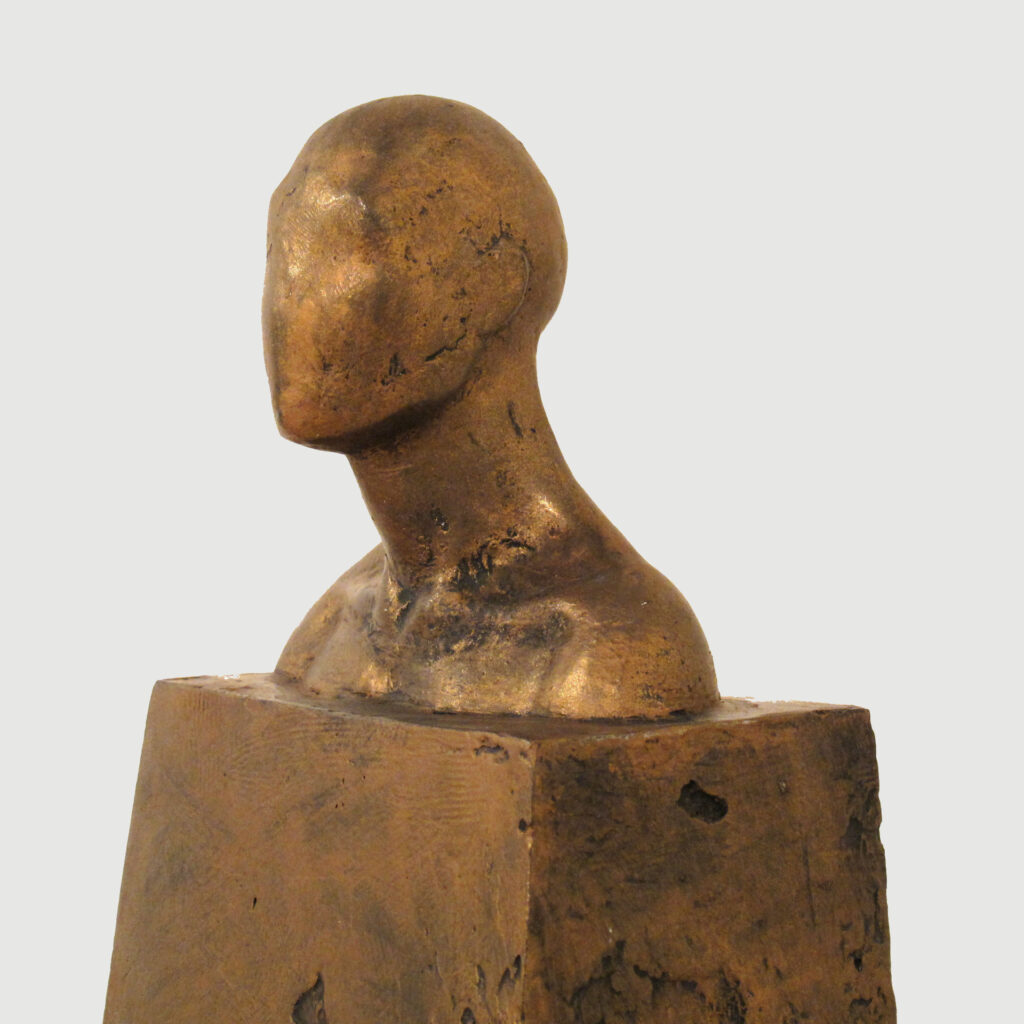
In 2025, communities across the world will celebrate the 50th anniversary of Cape Verdean independence from Portugal. New Bedford and the greater South Coast area of New England are home to one of the largest and longest-standing Cape Verdean communities outside of Cabo Verde. In marking this occasion, the New Bedford Whaling Museum presents the Contemporary Cape Verdean 2025 project, which explores the Cape Verdean American and Cape Verdean experience through the lens of contemporary art and community storytelling.
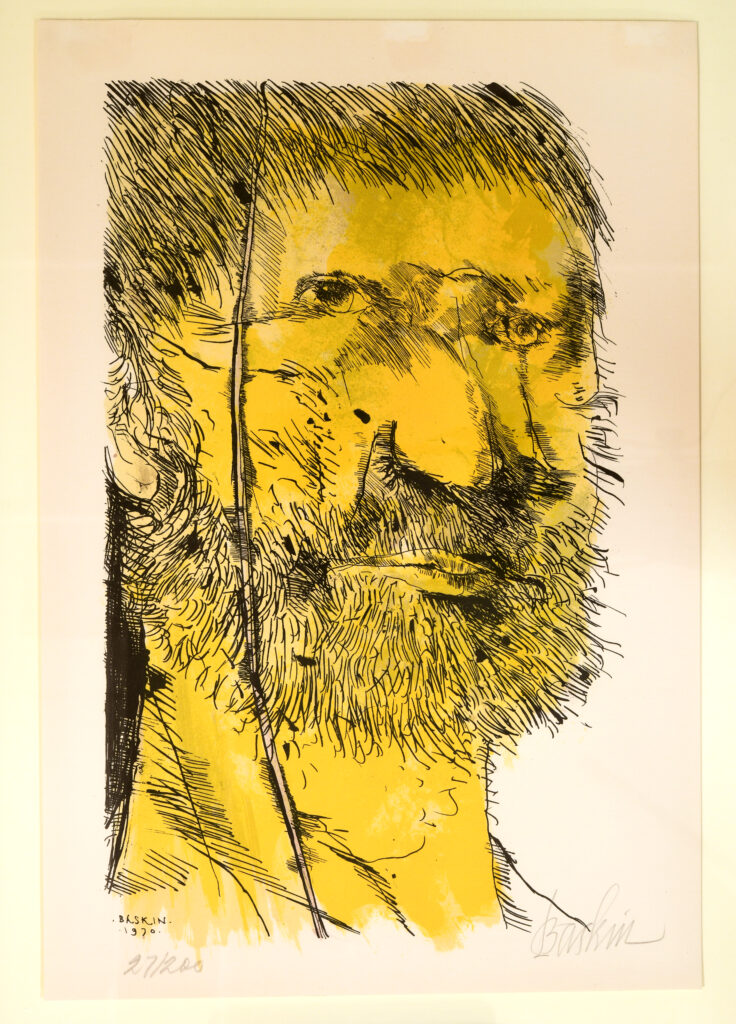
This exhibition will display selections from the NBWM’s collection of artwork related to Herman Melville and Moby-Dick, especially drawing on the Elizabeth Schultz and Melville Society Cultural Project Collection.
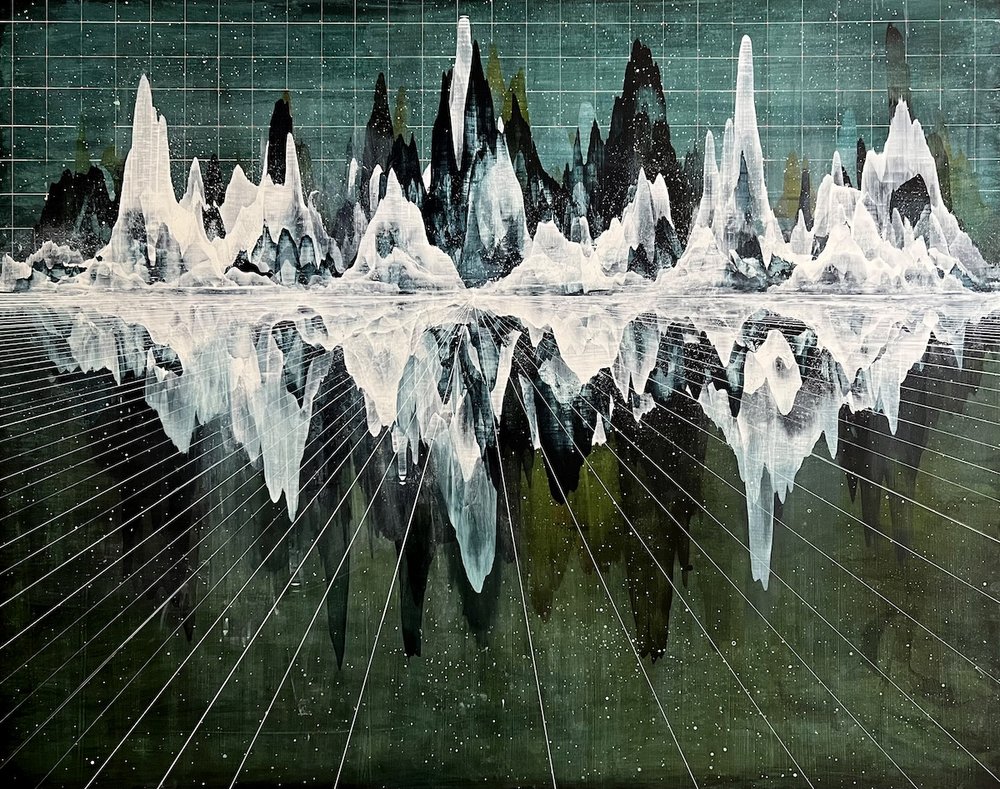
Perri Lynch Howard is a multi-media artist based in Washington state and interested in environments at the forefront of climate change. Self-described as a “sound artist interested in quiet,” Howard has travelled the world recording sounds in the environment both above ground and underwater investigating ideas around sound and quiet, working to chart and capture sites at the forefront of extreme environmental change.
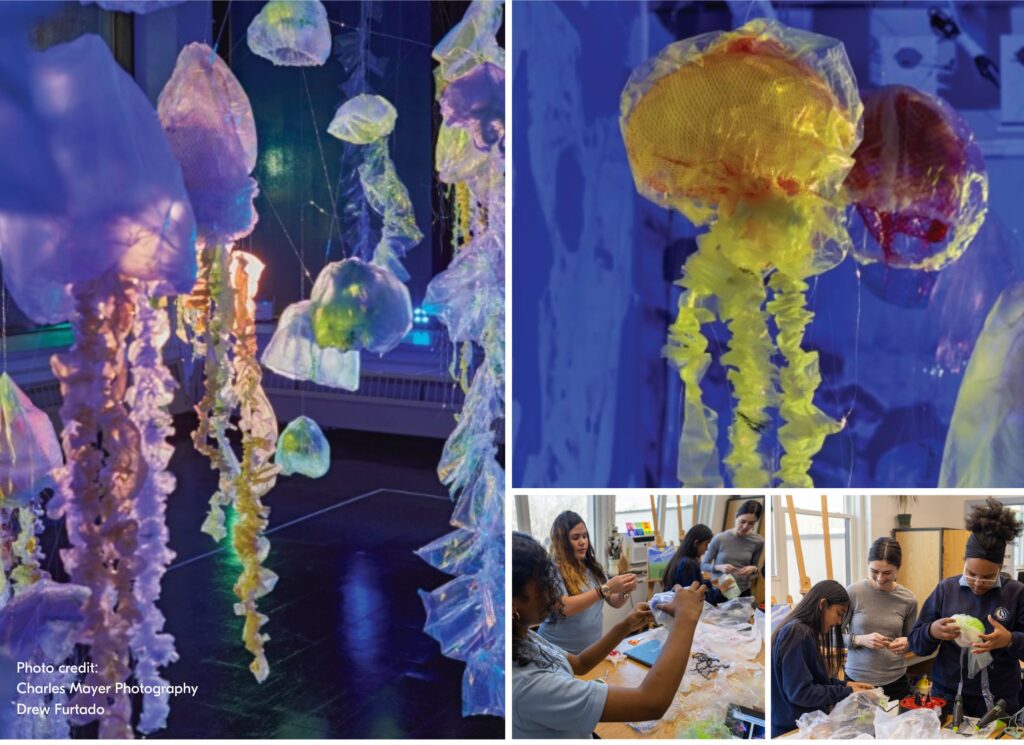
Since 2023, the New Bedford Whaling Museum has worked with interdisciplinary artist Katy Rodden Walker on a project and exhibition titled “Community BLOOMS,” a community focused art and science project exploring the increase in jellyfish blooms in the ocean due to warming waters. This participatory project invites visitors to create, consider, and collaborate around ideas of environmental change and activism.
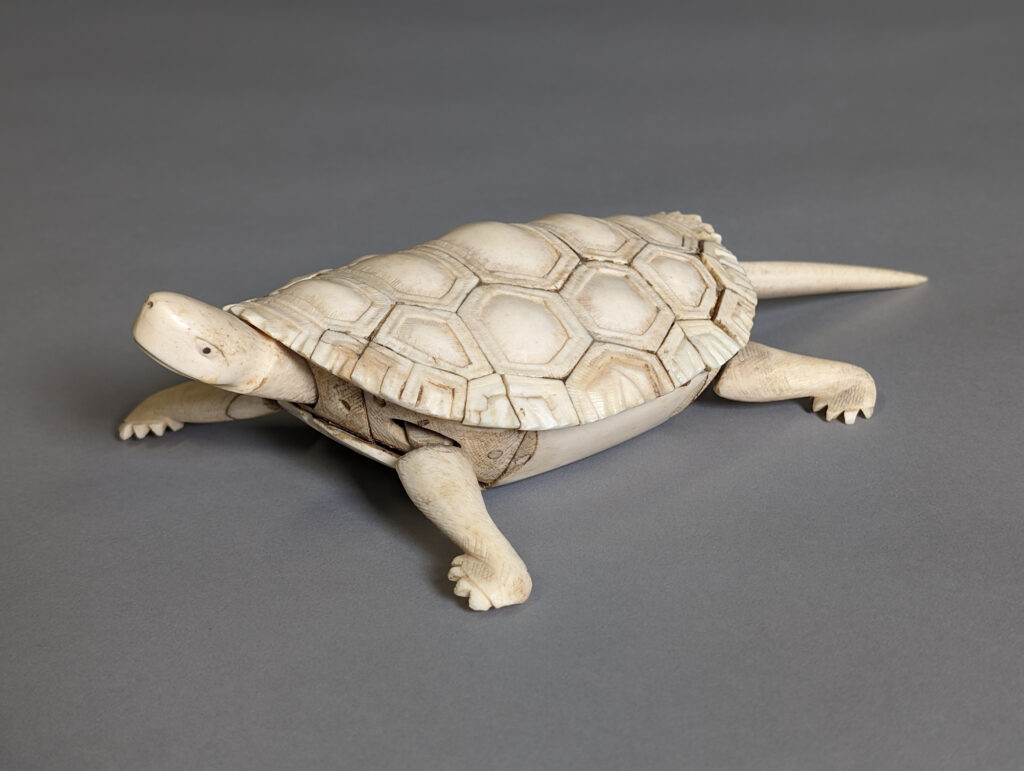
The collections of the New Bedford Whaling Museum / Old Dartmouth Historical Society are an impressive array of fine art, ethnographic objects, whaling implements, nautical artifacts, textiles, household items, and detailed documents from around the world.
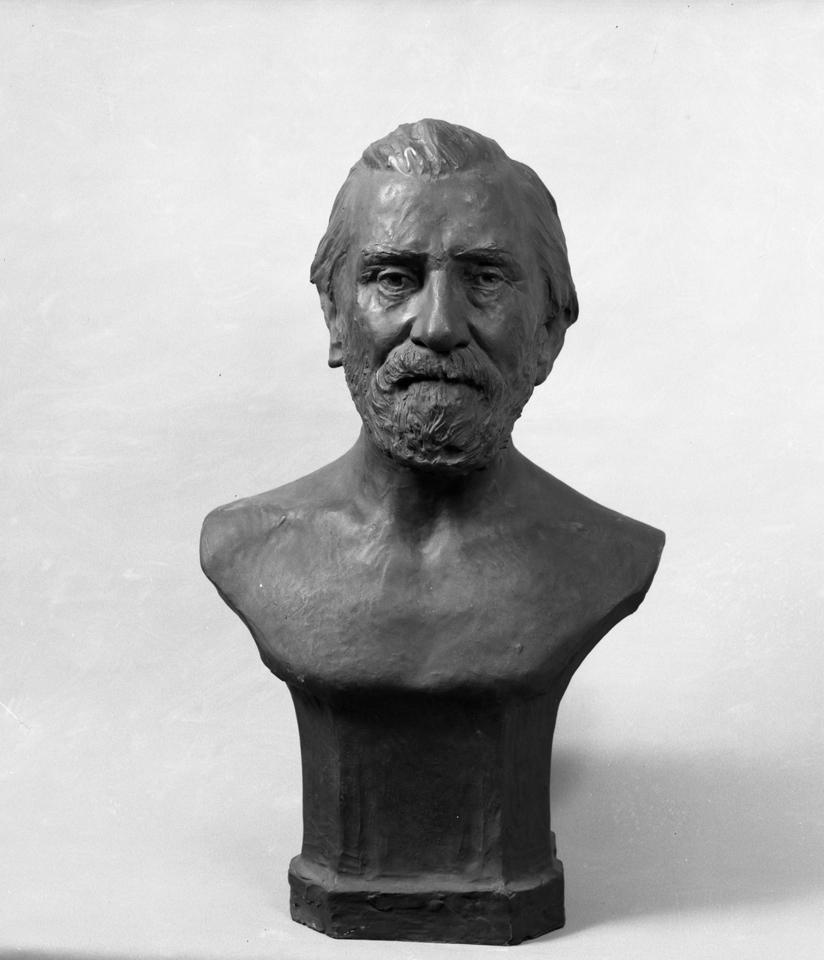
Complicated Legacies: Museum History, White Supremacy, and Sculpture
October 11, 2024
October 13, 2025
This exhibition asks, what do we do with a bust created by someone who held deeply problematic racist ideologies? Do an artist’s beliefs impact how we interpret a sculpture? Is a sculpture like this one defined by the politics of the maker, patron, or subject? What were the Bourne’s politics, and what made Emily decide to commission the bust from Borglum in 1916?
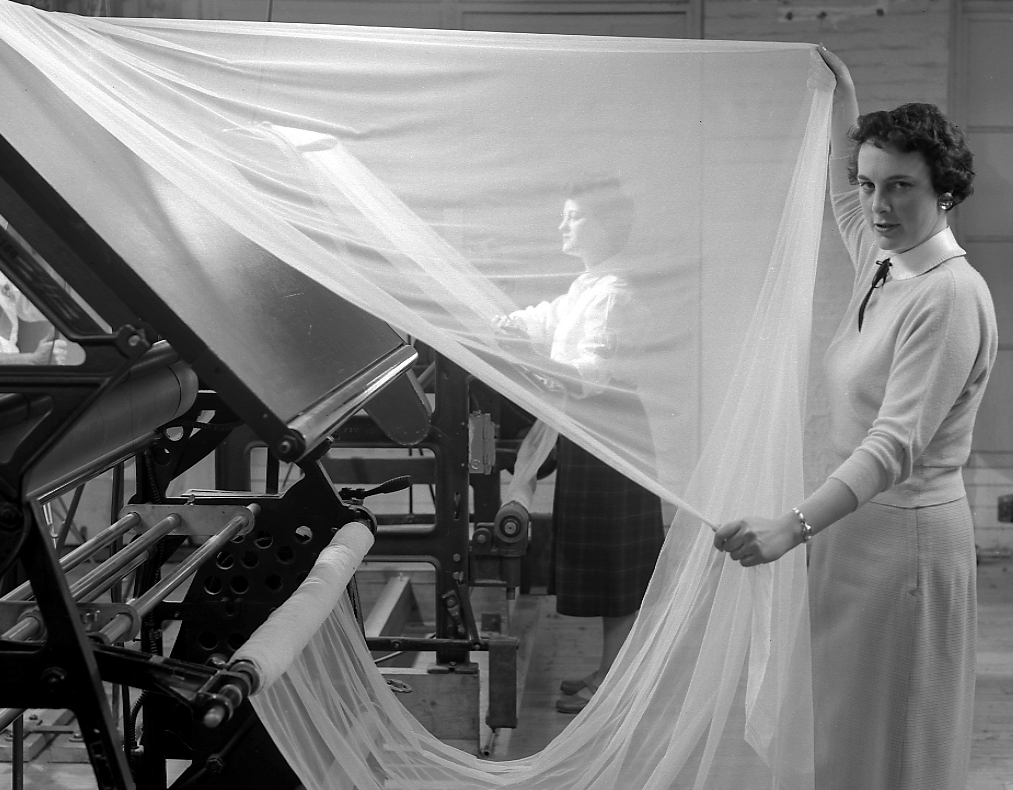
Women have shaped the South Coast of Massachusetts and its histories. This exhibition connects items in the collection made by and for regional women to historical figures, organizations, events, and achievements – big and small.
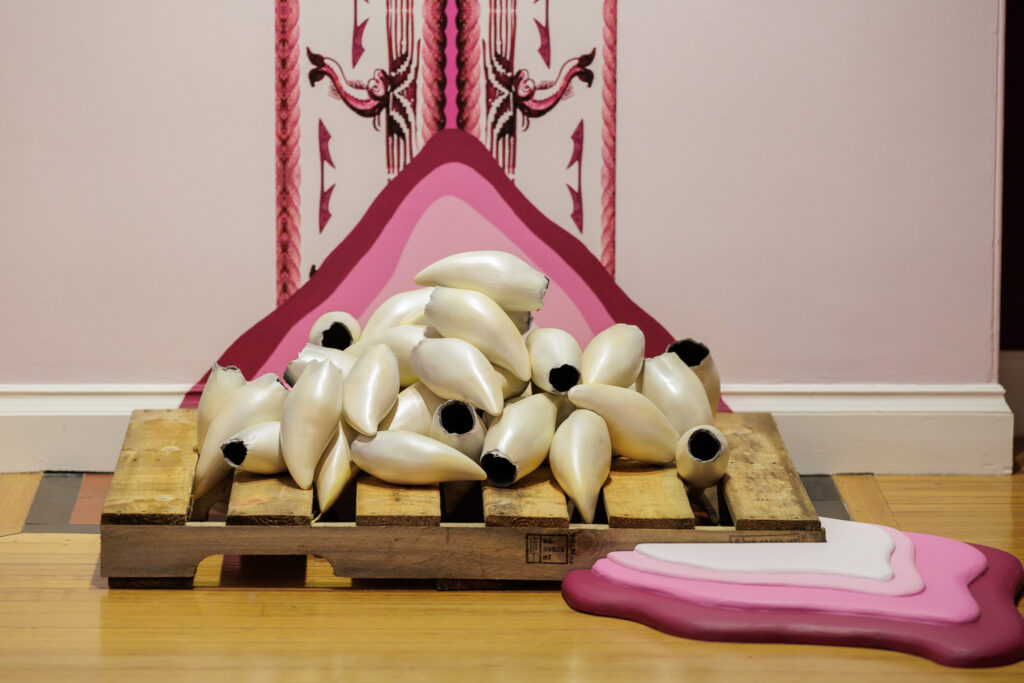
Courtney M. Leonard’s BREACH project is an ongoing exploration of the historical and contemporary ties between place, community, whales, and the maritime environment. The various iterations of the project, created for individual institutions and settings, investigate the multiple definitions of the term “breach.”
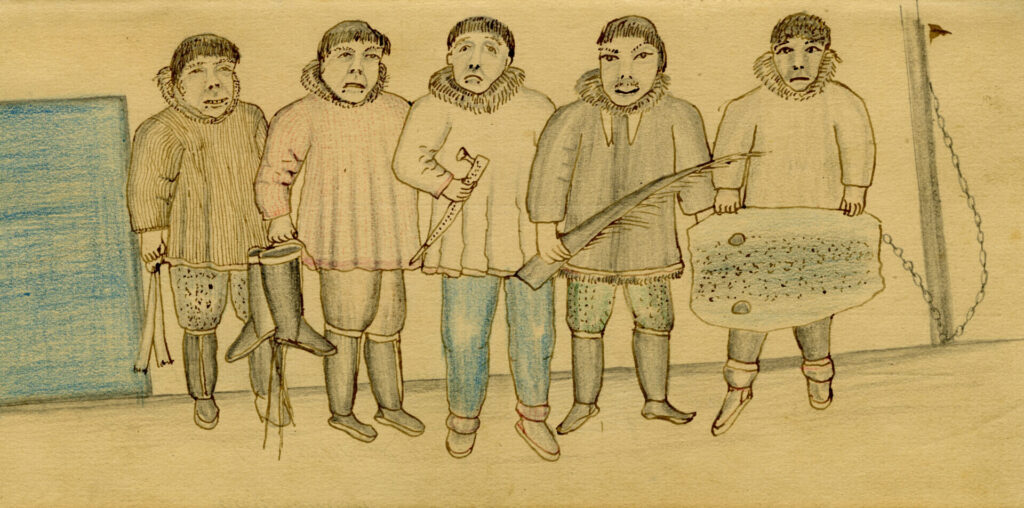
The Wider World & Scrimshaw takes the Museum’s scrimshaw collection (objects carved by whalers on the byproducts of marine mammals) and places it in conversation with carved decorative arts and material culture made by Indigenous community members from across the Pacific and Arctic.
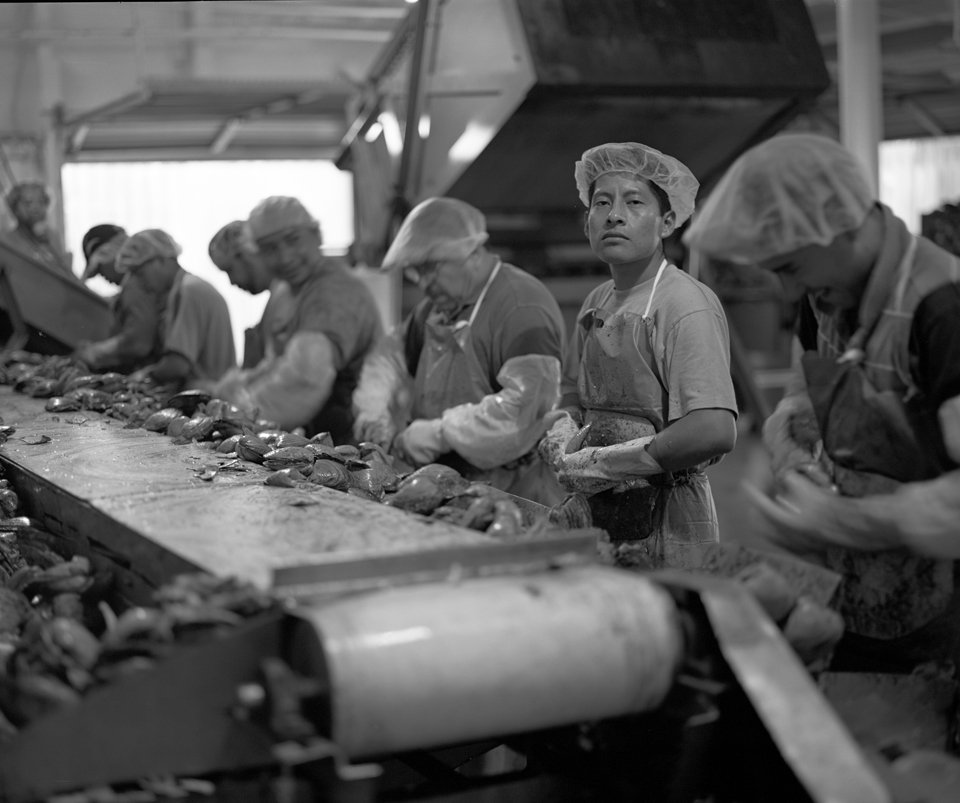
Reflections is an exhibition that asks viewers to reflect on water’s role in labor and leisure. Photographs in the exhibition will provoke questions about how and when we take time to reflect, and the water’s particular ability to hush or heighten one’s internal state.
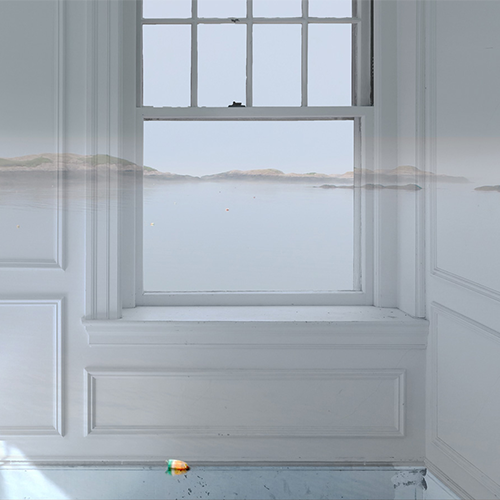
Framing the Domestic Sea: photographs by Jeffery C. Becton presents a new body of work by this celebrated Maine artist.
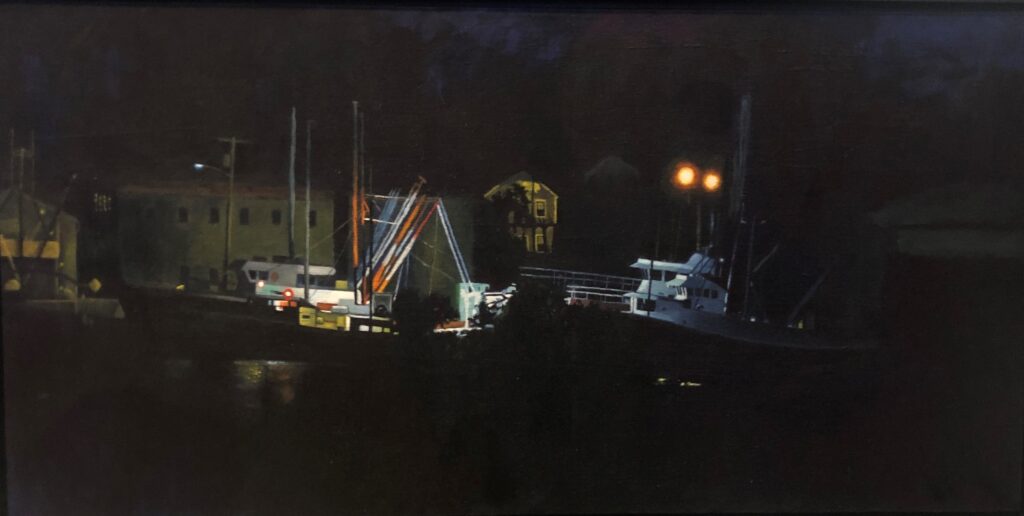
The Stars that Guide Us created by New Bedford-based contemporary artist Roy Rossow, represents a significant creative endeavor and the generation of two interrelated but uniquely distinctive bodies of painted work.
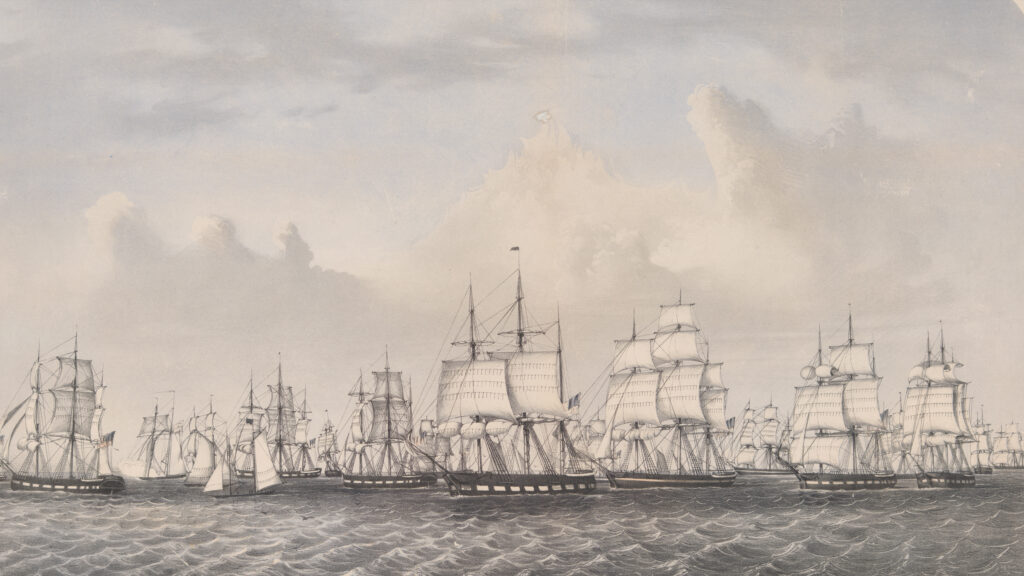
Museum Curator of Maritime History, Michael P. Dyer explores the deep cultural connections between American whaling and the U.S. Navy in the 19th century up to the First World War.
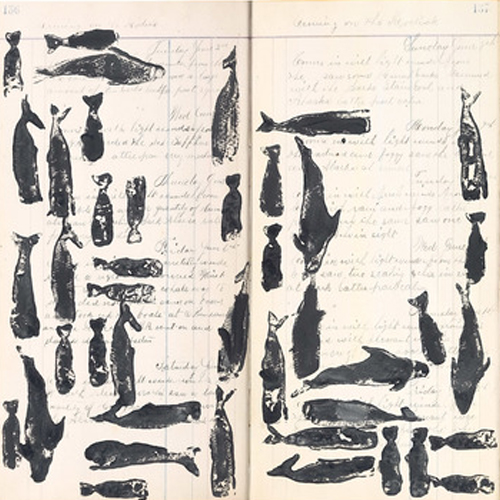
Massachusetts artist Daniel Ranalli has been fascinated by the subject of whale strandings since he observed one first hand in 1991 at Wellfleet. As Ranalli explains: “My research into the history of such strandings uncovered a historical record of strandings in both the U.S. and abroad.” For Cape Cod, the history can be traced back to the early 1600s, and certain areas – the Outer Cape in particular, has a very high incidence of strandings and “drivings” (when whales were driven ashore intentionally).
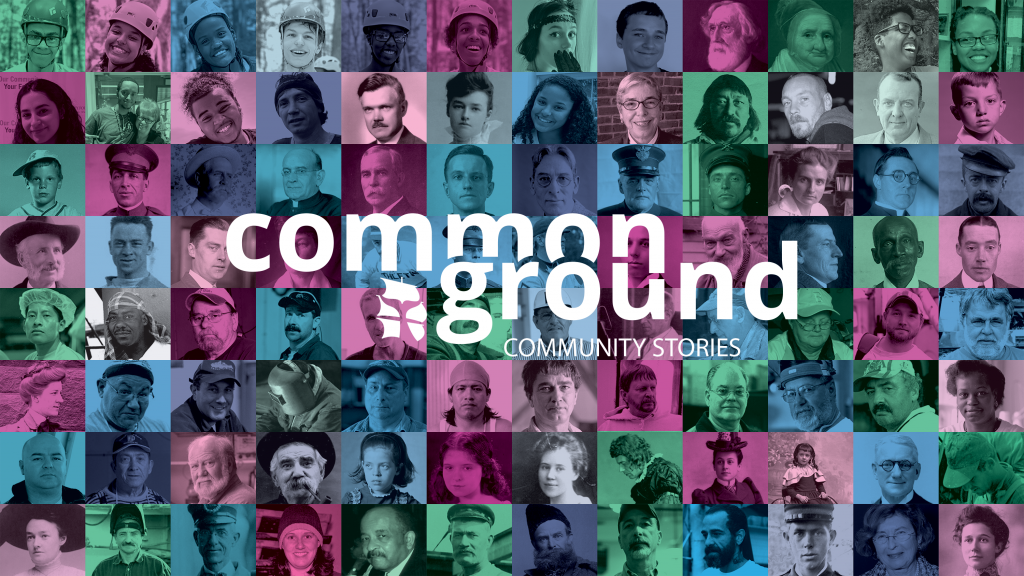
Organized by the New Bedford Whaling Museum, Common Ground: Community Stories is an ambitious oral history project and exhibition to create a full picture of the Greater New Bedford region and residents through story collection. A key goal is to give voice to community members. By gathering individual stories, Common Ground presents a diverse, inclusive, and celebratory accounting of the lived experiences of South Coast residents.
5th Annual IGNITE: Youth Showcase of Art Inspired by Historic Women of the SouthCoast
March 7, 2023
March 26, 2023
For the fifth year in a row, young artists in grades 4 through 12 are being invited to create original artworks inspired by Lighting the Way: Historic Women of the SouthCoast. This year, youth are encouraged to highlight the accomplishments and stories of women of color featured on the Lighting the Way website.
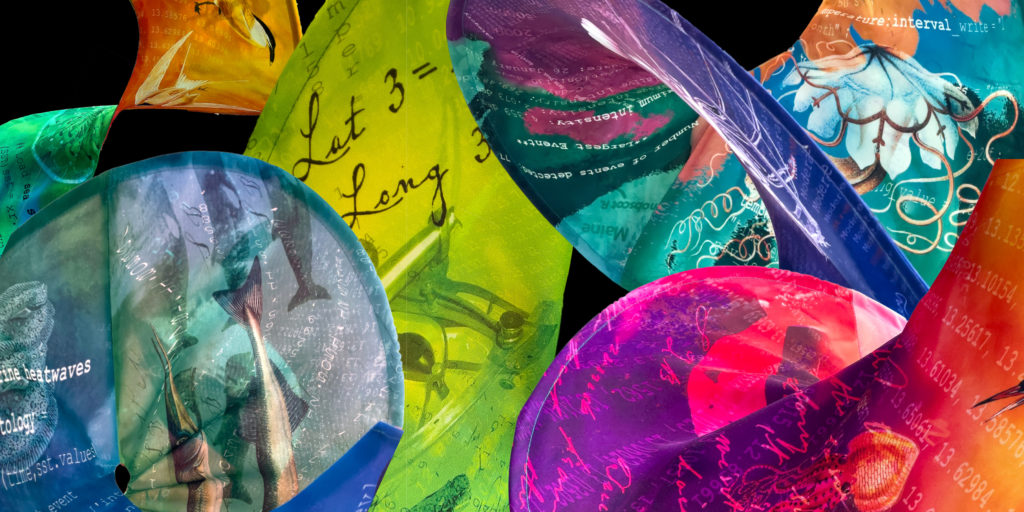
In the world of oceanography, marine heatwaves are a recently “discovered” phenomenon. As NOAA explains, “Marine heatwaves are periods of persistent anomalously warm ocean temperatures, which can have significant impacts on marine life as well as coastal communities and economies.” They are becoming more intense and more frequent.
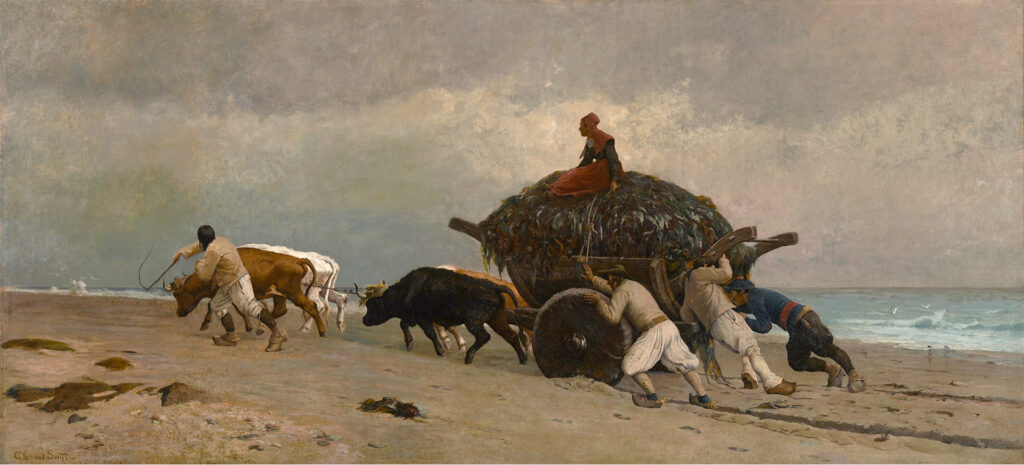
Much like the space of the shoreline itself, which is never a fixed point but always moving, shifting, and changing depending on the tide, seaweed is uniquely invigorated by its marine environment and always changing — both in form and appearance and in its cultural and social meanings and uses.
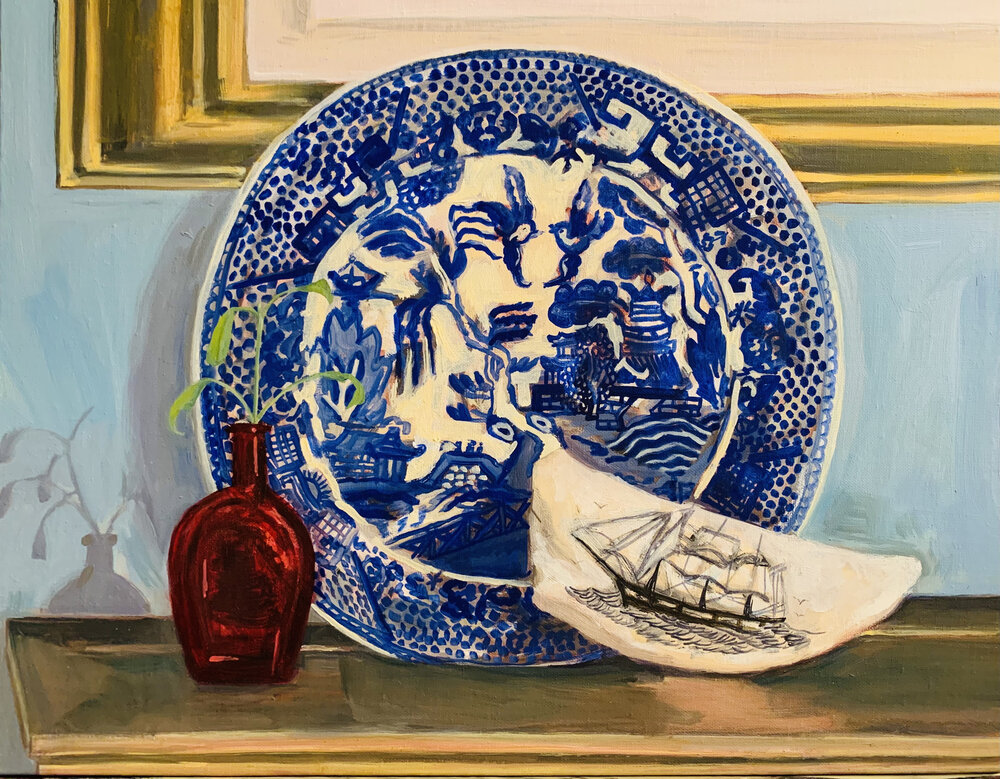
Steeped in the histories of global whaling and deeply tied to the objects in the Museum collection, Pettit and Corby poetically engage with Museum artworks, objects, and archives. The two forge tangible connections between past and present through processes of making and adaptation, in order to underscore the global interconnectedness of people and things.
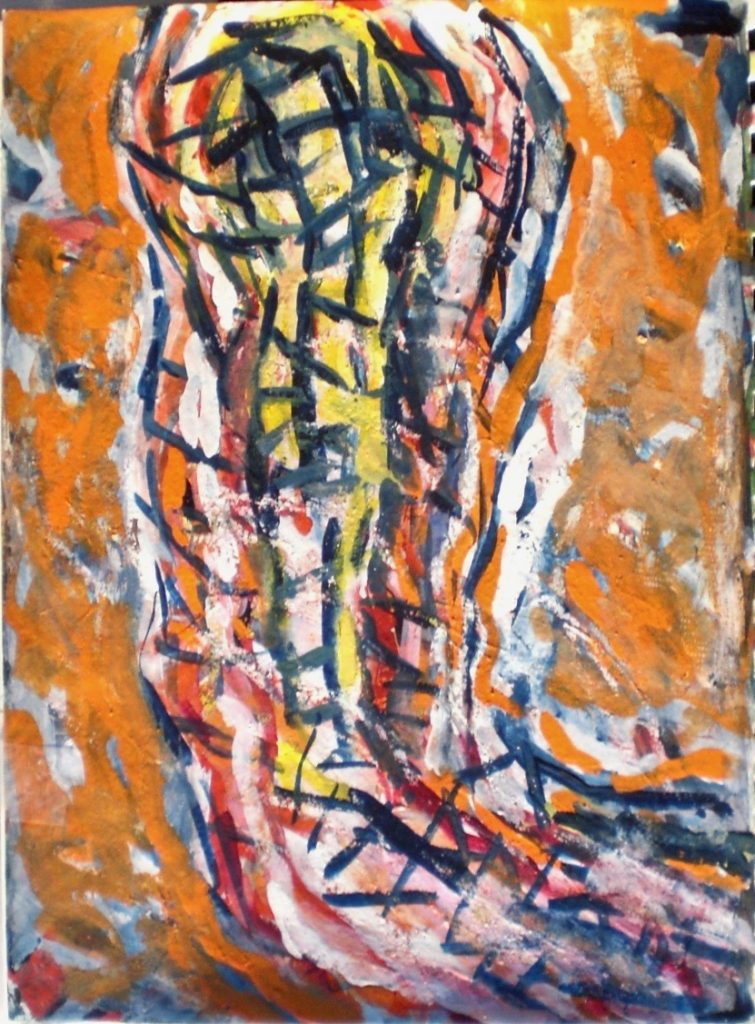
In response to the COVID-19 pandemic, and working through the 2020 lockdown, Boston-based artist Aileen Callahan (b. 1941) created Moby Dick in Days of Pestilence and Chaos. This body of work explores themes of contagion and plague, and the known, the unseen, and the feared, as described by author Herman Melville (1819-1891) in the novel Moby-Dick (1851). How much time must pass before infection and chaos take hold—of a crew? —of a society? – and how do such questions apply to today?
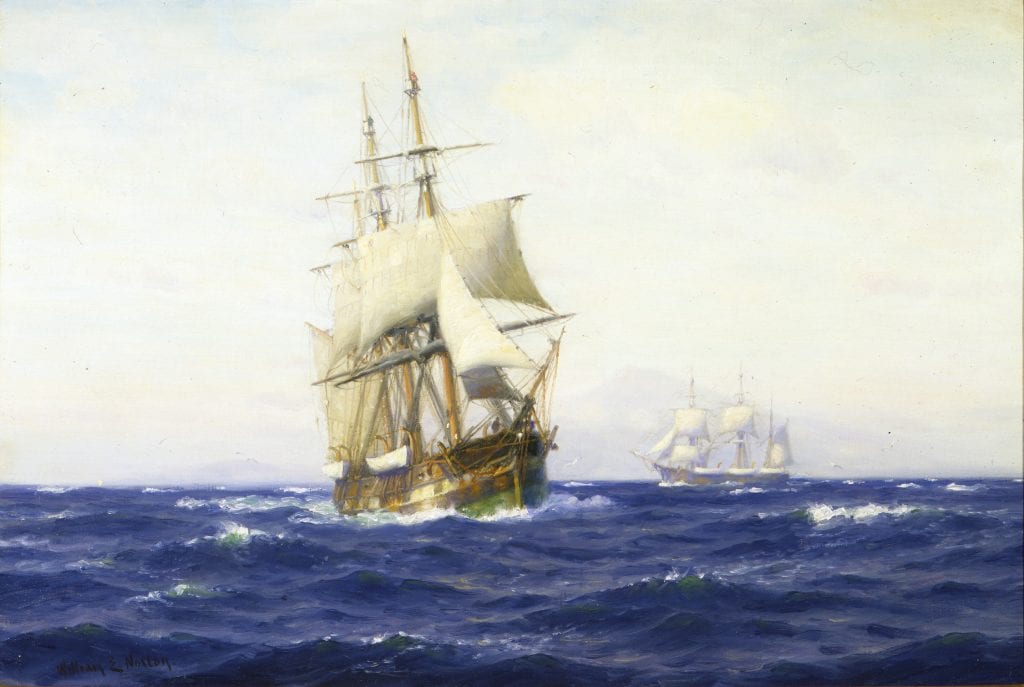
Grab your passport and experience a new world encountered by New Bedford whalers. Voyages connected world cultures through commerce and helped establish American hegemony in far-flung ports.
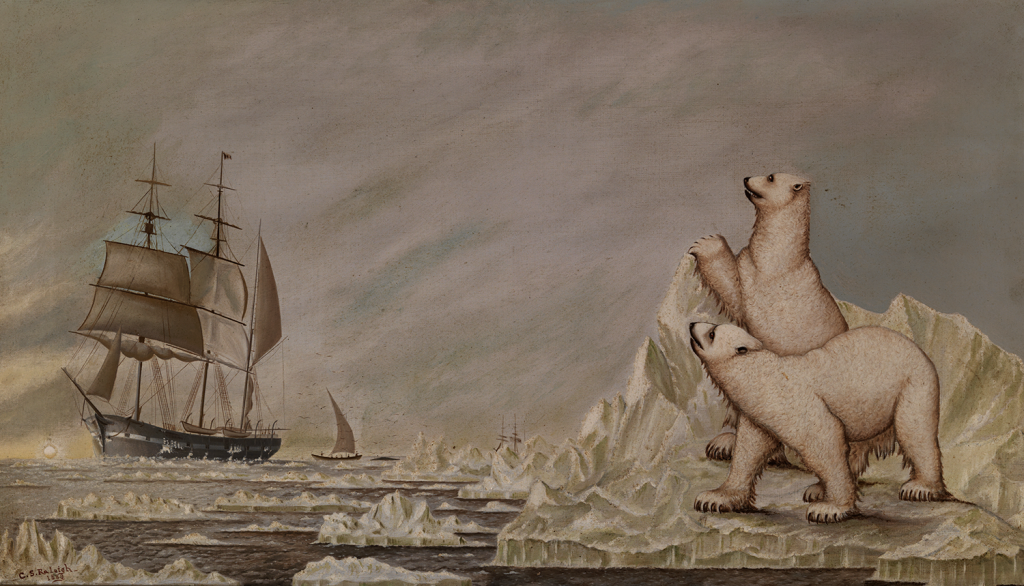
This exhibition showcases a cross-section of extraordinary artworks in order to reveal and explore humankind’s fascination with and relationship towards this vaunted and elusive species.
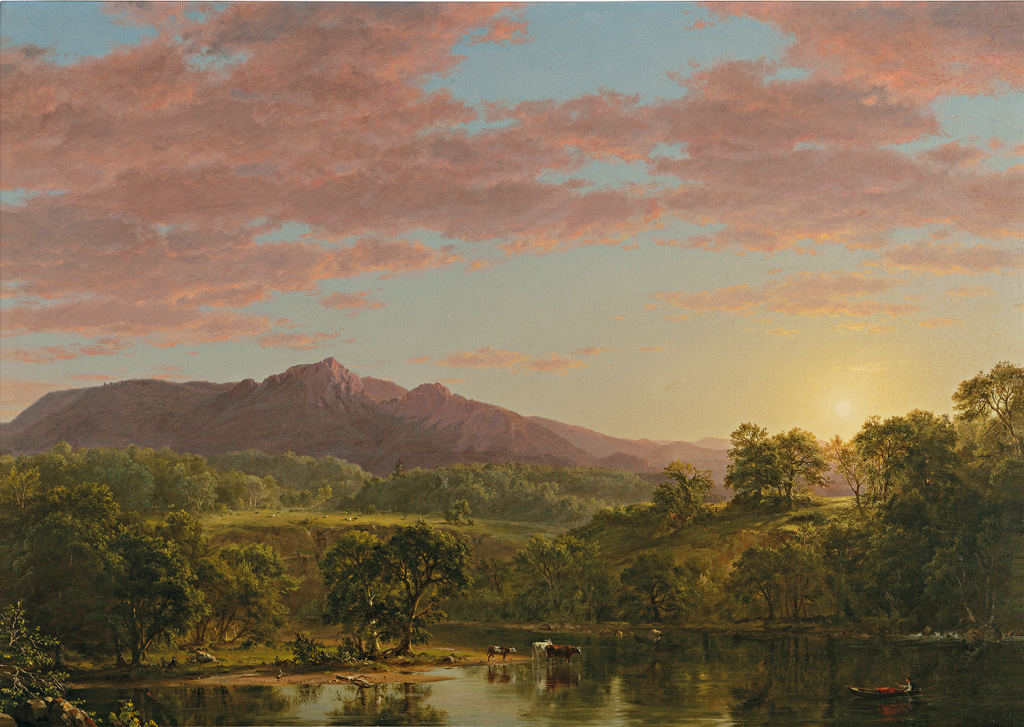
An exciting and timely invitation to view paintings held in private hands and usually hung behind closed doors – allowing exploration of the many meanings of the American landscape, both historically to nineteenth-century viewers and today for twenty-first century audiences.
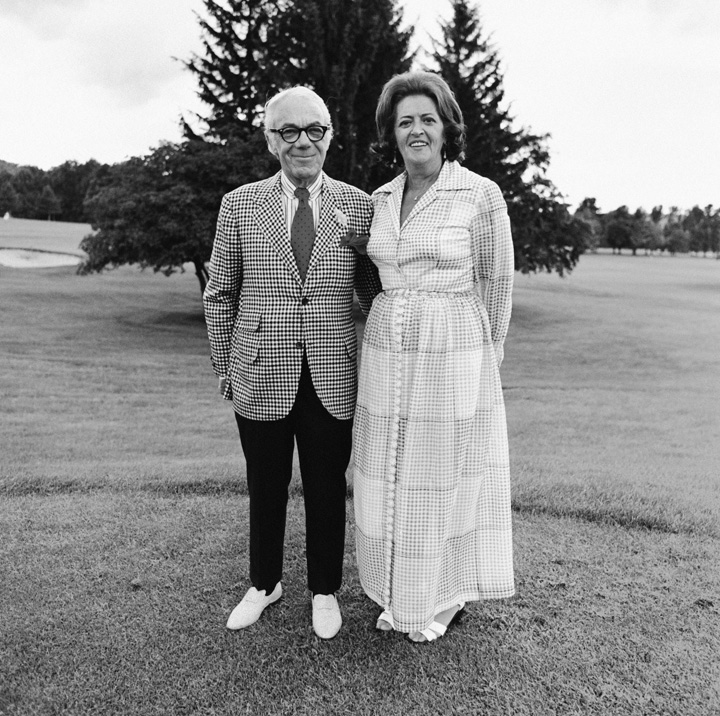
Organized as a component of the NBWM exhibition and oral history initiative, Common Ground: Community Stories, “Close Relations” presents an intimate and photographically compelling look at life in the SouthCoast in the early 1970s.
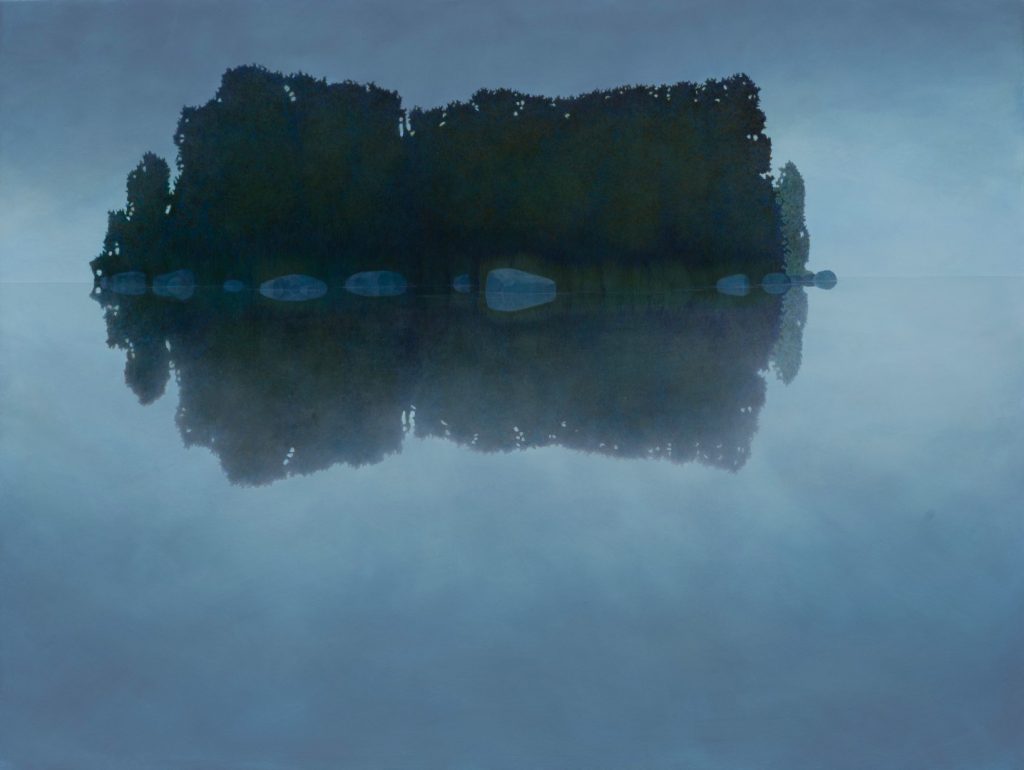
As a resident of Southeastern, MA, Shattuck’s paintings reflect a fascination with the tidal marshes, estuaries and woodlands along our coastline.
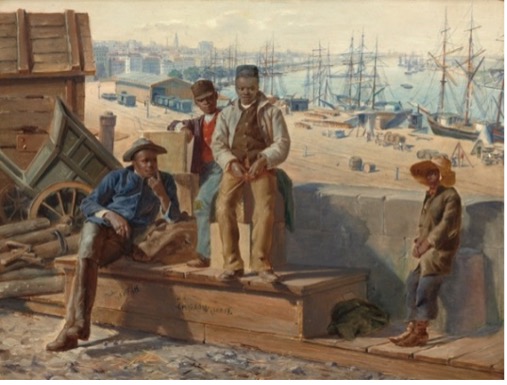
This exhibition demonstrates how the Underground Railroad enabled people to escape enslavement by sea prior to the Civil War.
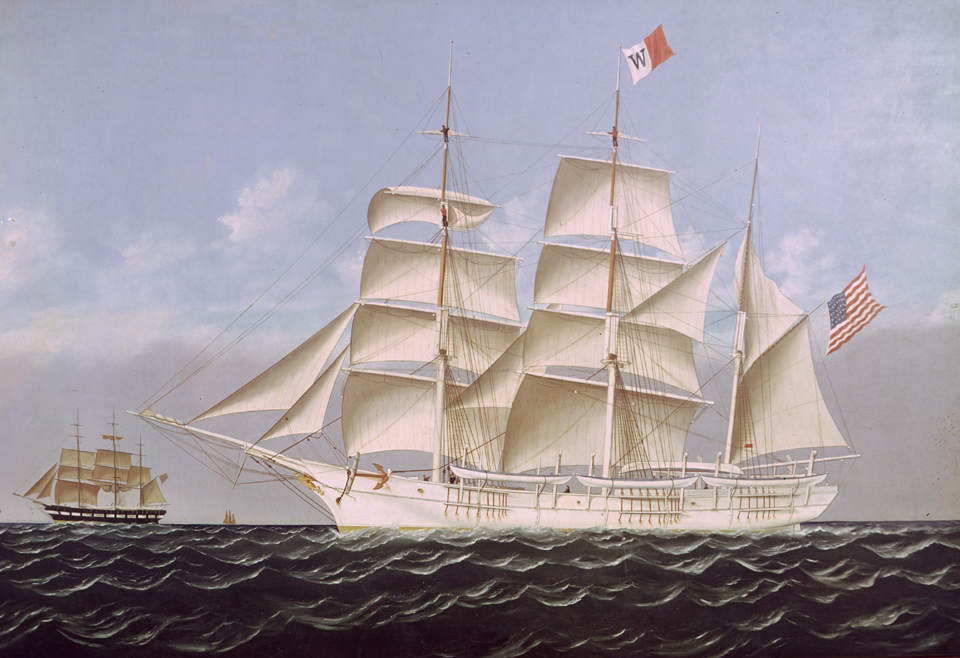
UNVARNISHED: Conservation of Charles Sidney Raleigh’s Panorama of a Whaling Voyage
December 12, 2021
March 6, 2022
Between 1878 and 1880, the prolific British-born artist Charles Sidney Raleigh undertook a daring artistic venture: a monumental panorama of twenty-two whaling scenes from the four-year voyage of the Niger.
Artist Talk – Loomings: Melville, Art and the Climate Crisis
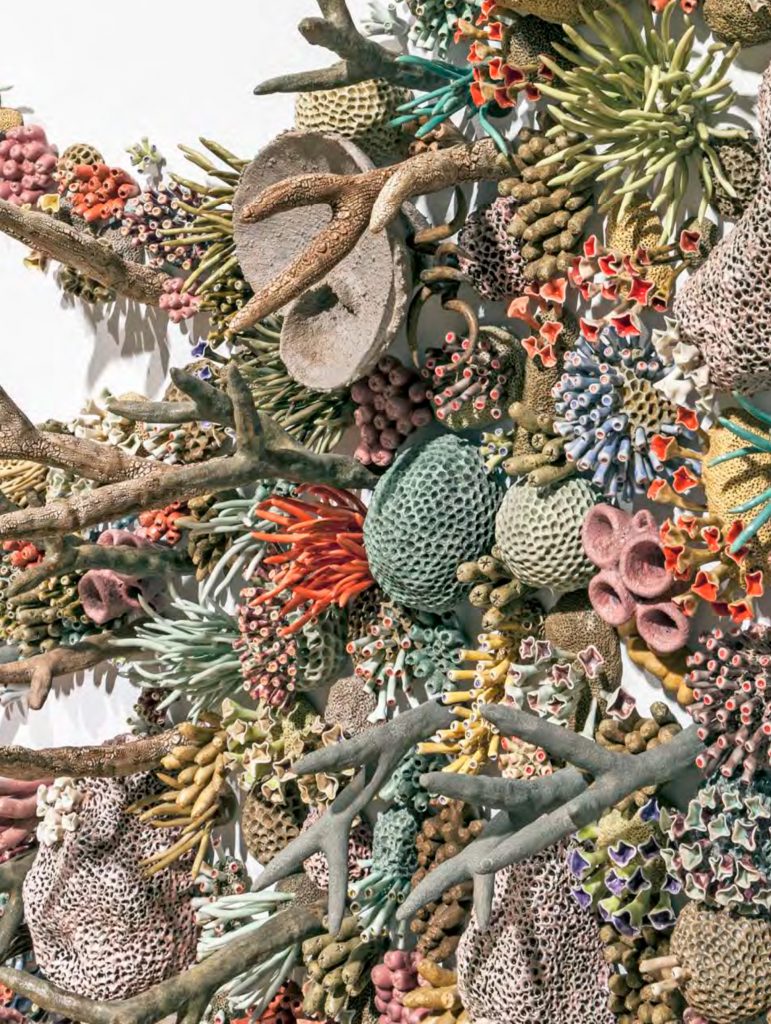
Delicate and monumental installations by ceramicist, sculptor, ocean advocate Mattison poignantly illustrate the widespread, devastating effects of ocean warming and pollution on marine species.
A special exhibit at New Bedford Whaling Museum featuring remarkable, historic women who shaped their SouthCoast communities, the nation, and the world.
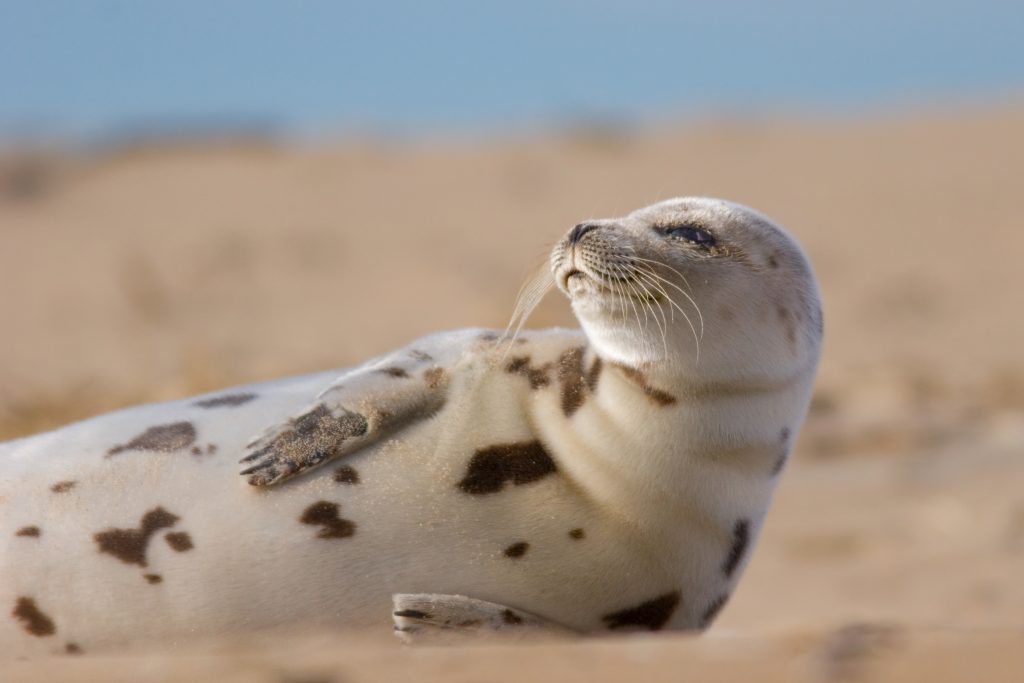
While many seal species use the waters off of New Bedford, harbor seals and gray seals are the most common and have a year-round presence in New England and beyond.
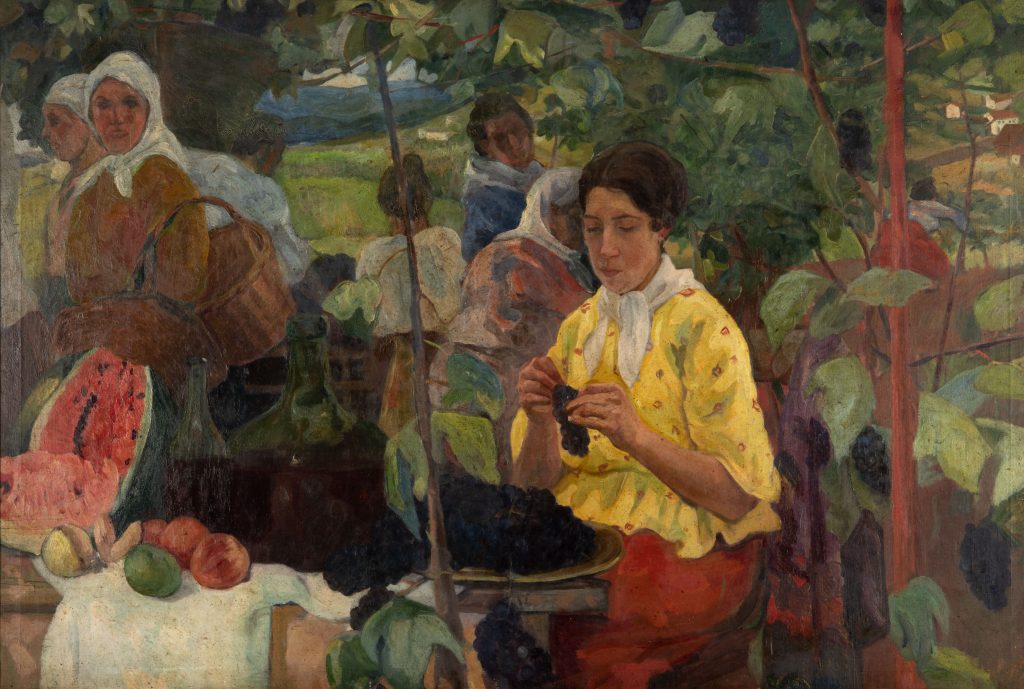
Art from this seminal twentieth century painter reflects Portuguese identity and culture, and honors the artist’s Azorean roots.
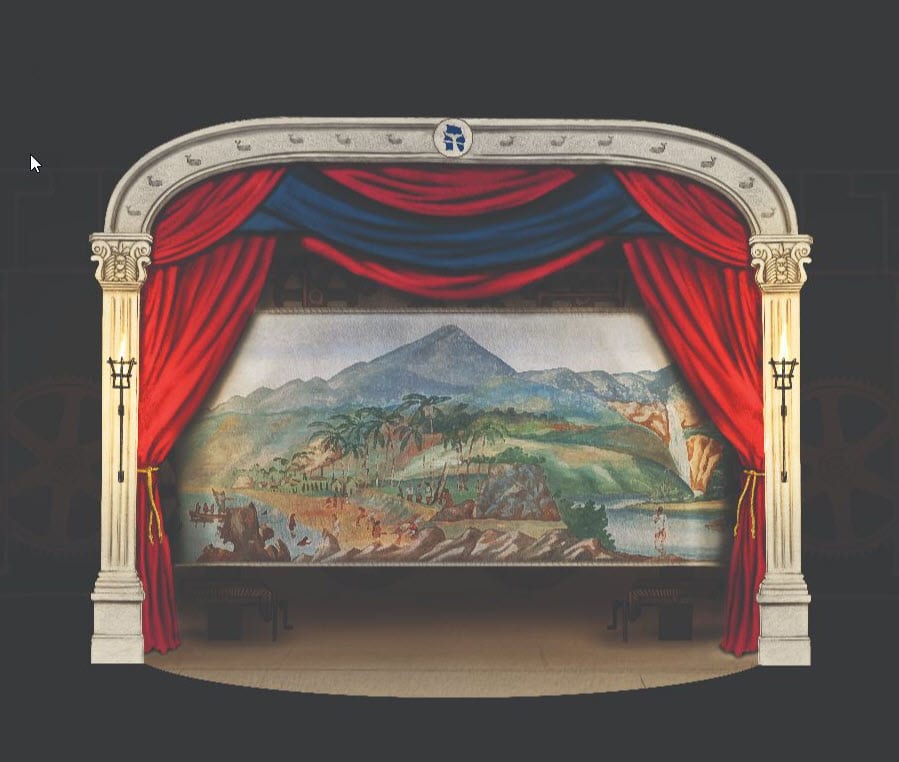
The Original: A Spectacle In Motion: The Grand Panorama of a Whaling Voyage ‘Round the World
July 14, 2018
October 8, 2018
The exhibition presented America’s longest painting – longer than the Empire State Building is tall. All 1,275 feet of the Panorama was on exhibit to awe visitors. This was the first time in generations that the entire Panorama could be seen by the public.
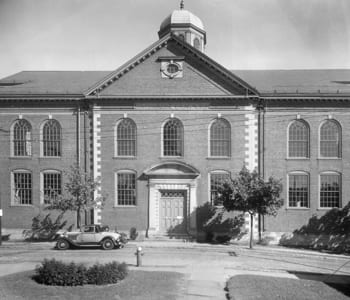
This exhibition took us through a photographic journey showing how the Museum has changed and adapted since 1903.
The New Bedford Whaling Museum ignites learning through explorations of art, history, science, and culture rooted in the stories of people, the region, and an international seaport. Our galleries have been host to many dynamic exhibitions throughout the years and we have been honored to share our Collections and the stories they tell with visitors from near and far.
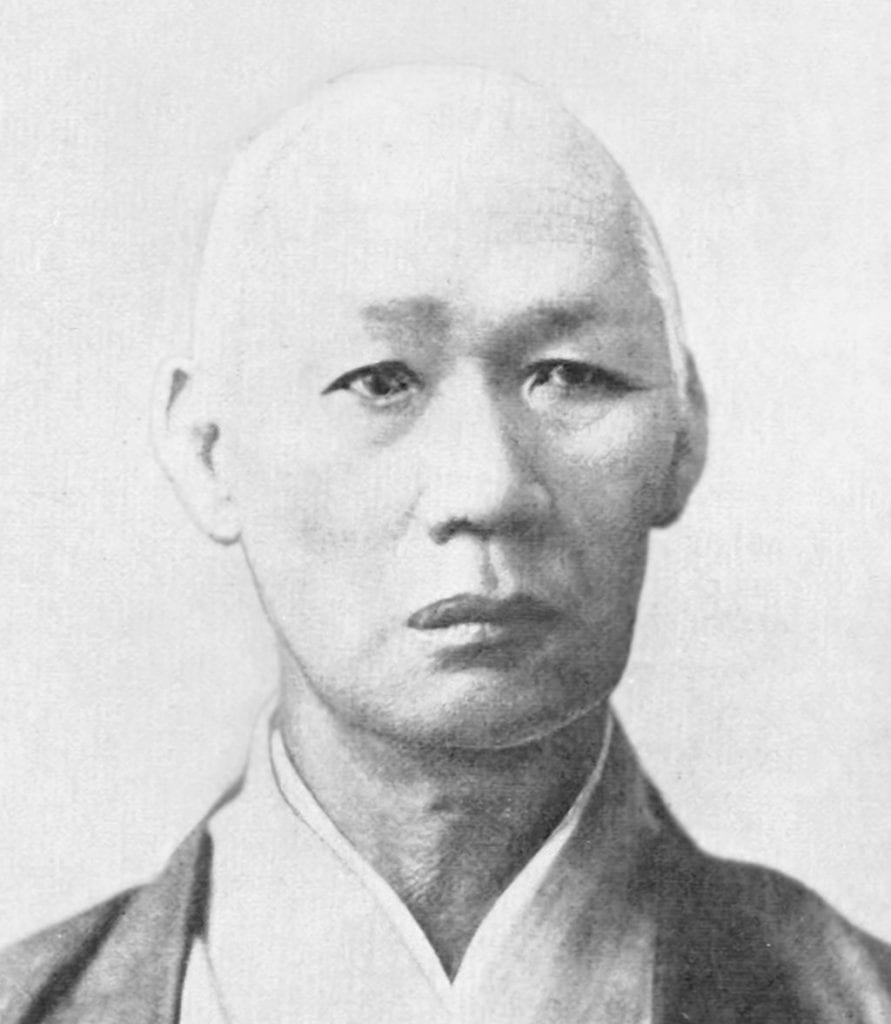
Whaling Museum exhibit honors local role in opening Japan 150 years ago
Signifying the Whale Signifying the Whale is crowd-sourced and generated from this continually expanding Flickr group. On the day the exhibit opened the pool consisted of close to 1,450 images, submitted by hundreds of different photographers, from aro …
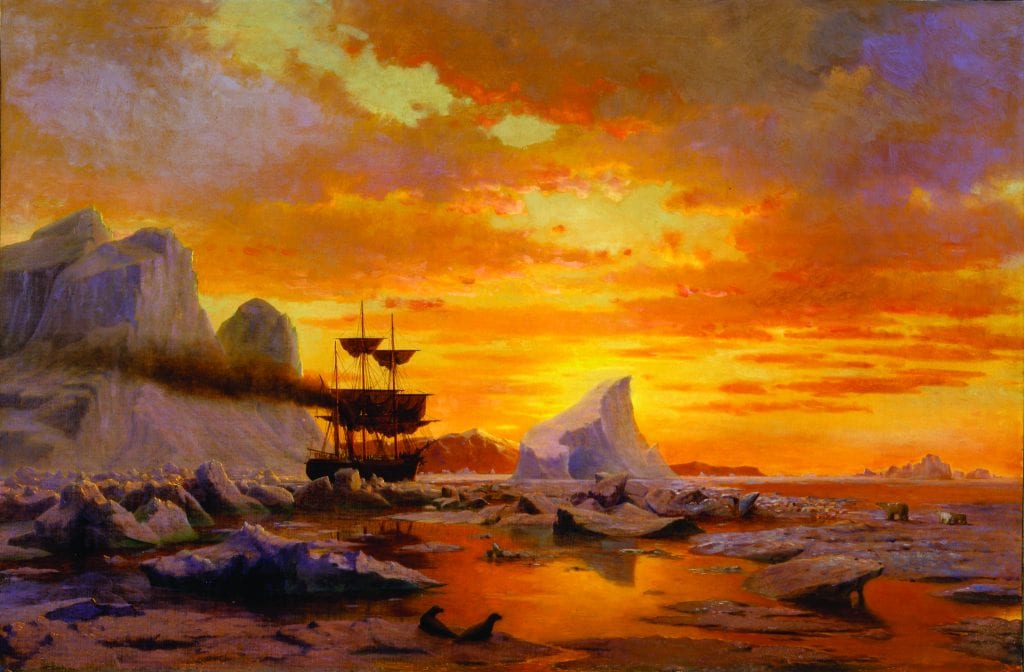
William Bradford: Sailing Ships & Arctic Seas William Bradford: Sailing Ships & Arctic Seas Opened: June 1, 2003 On May 23rd, the art of marine and Arctic painter William Bradford (1823-1892) went on view as the showcase exhibition of the New …
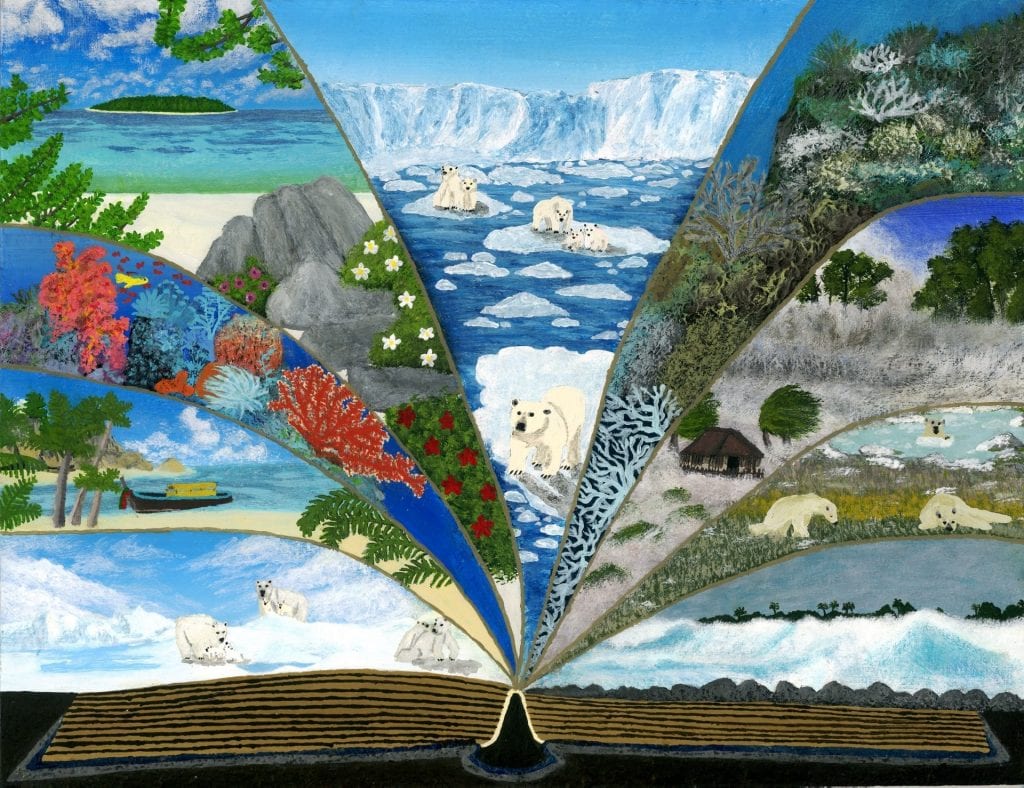
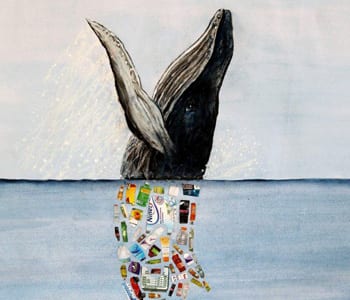
This special exhibit features artwork by the student winners of the international Ocean Awareness Contest run by local nonprofit Bow Seat Ocean Awareness Programs.
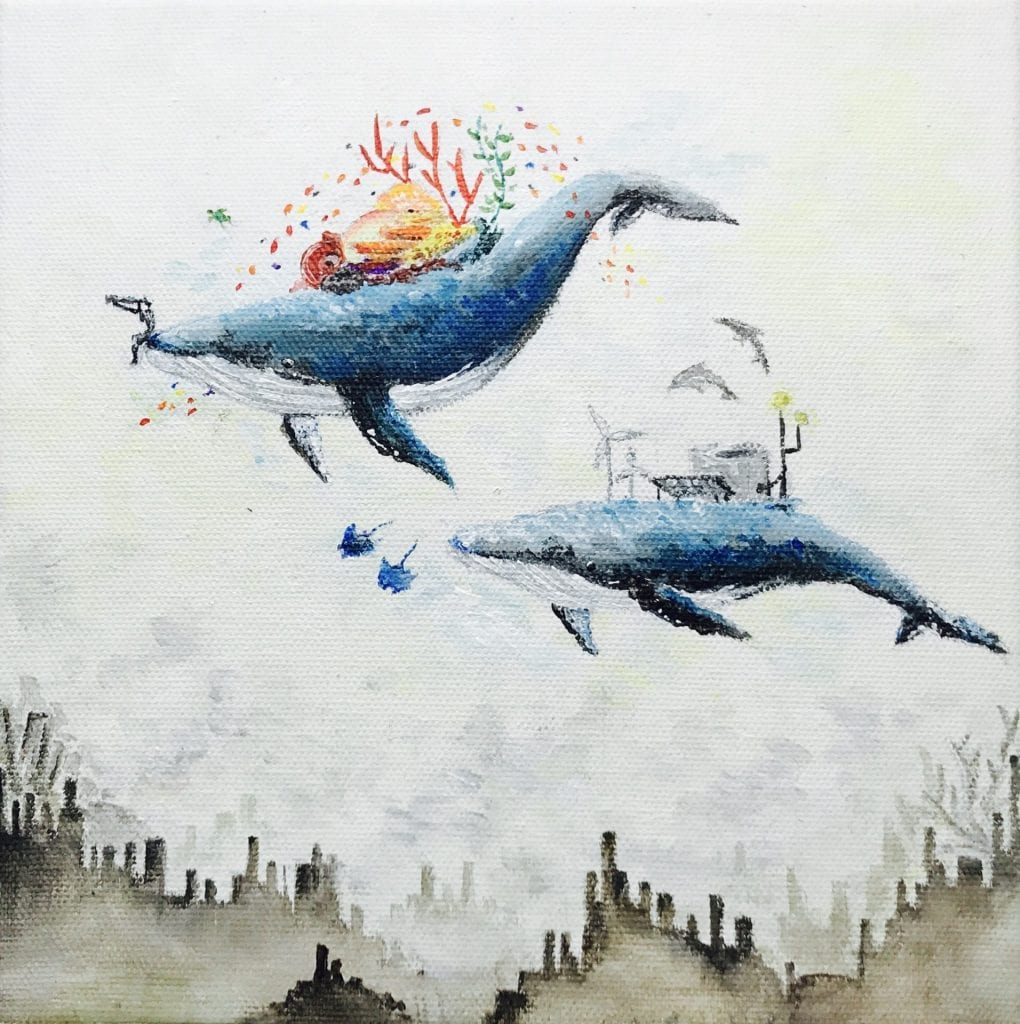
This special exhibit features artwork by the student winners of the international Ocean Awareness Contest run by local nonprofit Bow Seat Ocean Awareness Programs.
A City for the Arts: Masterworks of Greater New Bedford celebrates our region’s tremendous impact through the centuries on American Fine Art, that continues to resonate, reverberate, and inspire. From William Bradford to Albert Bierstadt to Clement Nye Swift, our region has been home to some of our country’s most revered master artists.

The Melville Society Archive, housed at the New Bedford Whaling Museum, has acquired original Moby-Dick artworks every year since 2009. In 2016 the Archive acquired seven mixed-media prints by Robert Del Tredici, who created his first artworks in respo …
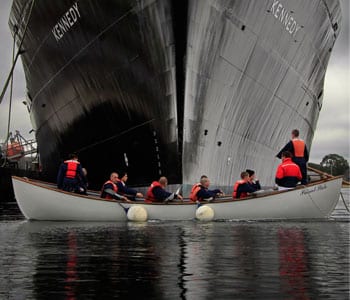
Pereira’s images tell stories both joyful and tragic with a raw, but sensitive honesty in stunning visual compositions.
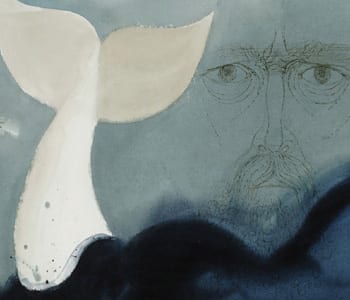
An exhibition of illustrations by renowned Norwegian-American artist Claus Hoie, who specialized in whaling subjects and Moby-Dick-inspired scenes.
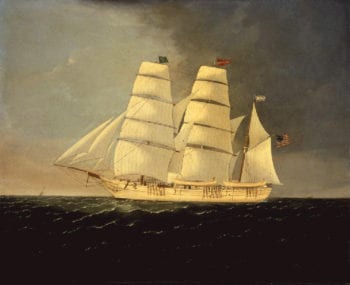
Famine, Friends & Fenians explored New Bedford’s curious role in Irish history from the 18th century through the famous “Easter Rising” in 1916. This is a story that can only be told in New Bedford. It weaves through three centuries of struggle both in the US and in Ireland, starting as early as 1776 and running up to the Easter Rising in Ireland in 1916.
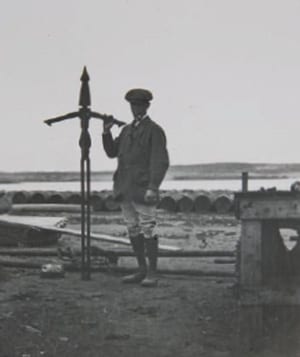
At the beginning of the 20th century, whales were prized for both their meat and oils. Norway imposed a ten year ban on whaling in their waters in 1904 due to their own depleted stocks. As a result, Norwegian whalers wished to expand their operations in other areas.
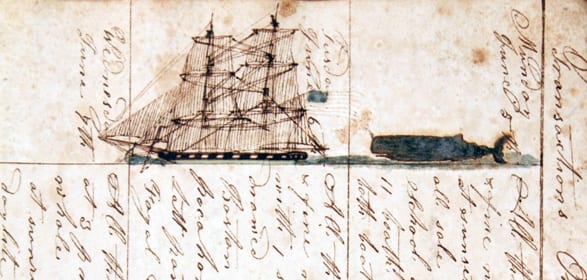
Mapping Ahab’s “Storied Waves” – Whaling and the Geography of Moby-Dick
January 8, 2016
July 16, 2017
Throughout Moby-Dick Melville gives clues as to how Ahab managed to actually locate one whale in all the planet’s seas. These clues had their basis in actual whaling practice.
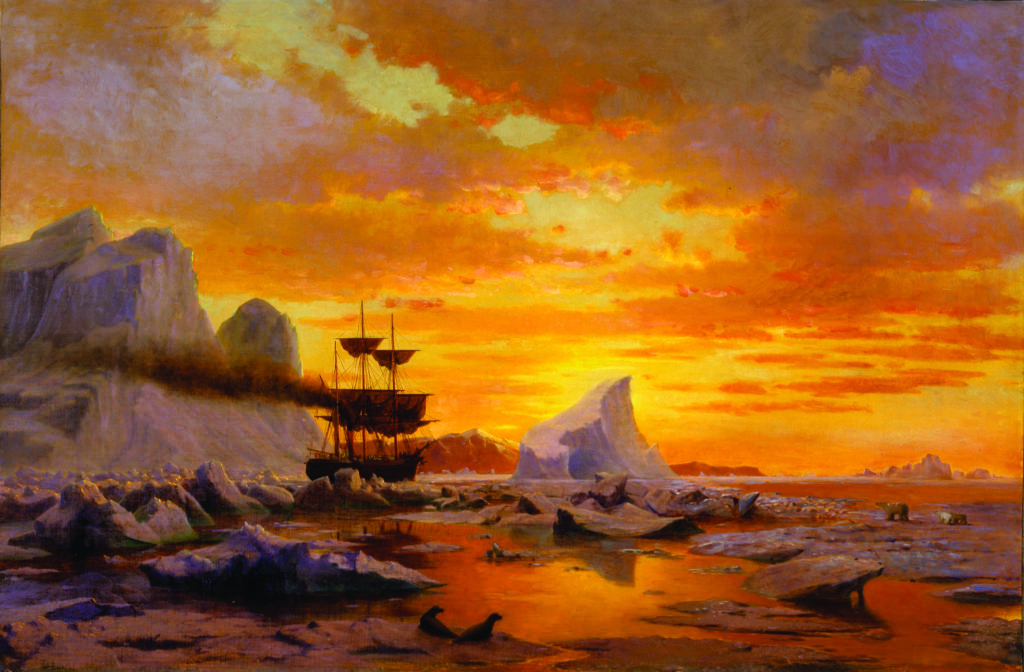
Highlighting the Whaling Museum’s extensive collection of William Bradford (1823-1892) oil paintings, watercolors and sketchbooks, Inner Light was a retrospective exhibition of this important regional artist’s life, career, connections and influences.
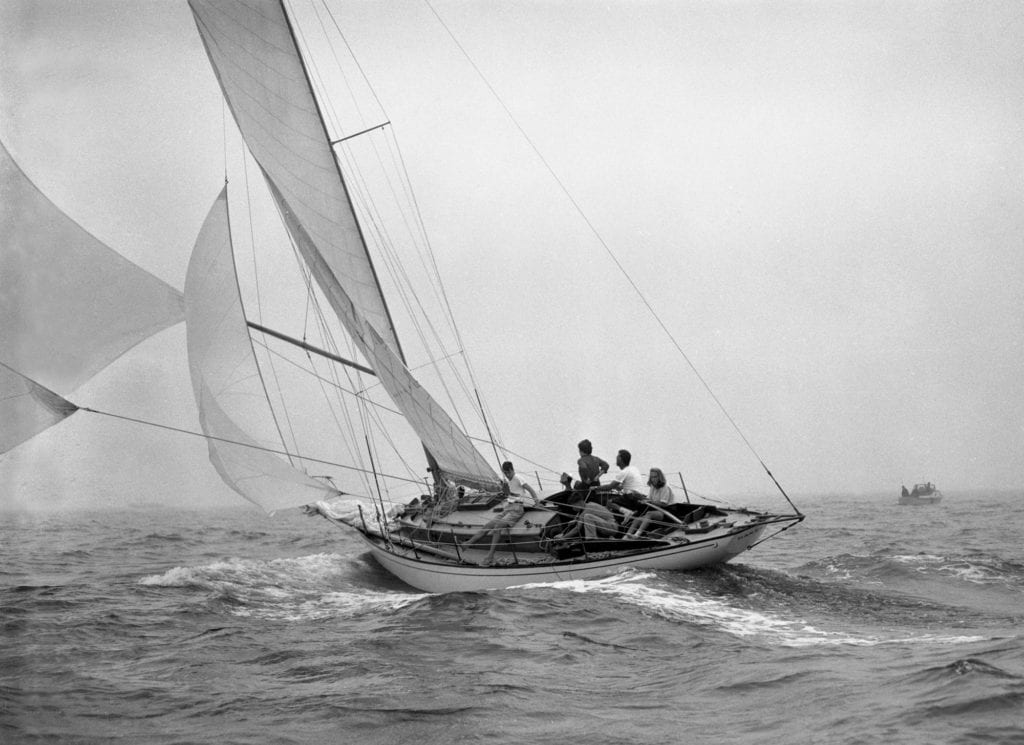
The exhibition was a companion to two Museum publications, No Ordinary Being: W. Starling Burgess, Inventor, Naval Architect, Aviation Pioneer, and Master of American Design by Llewellyn Howland III and A Genius at His Trade: C. Raymond Hunt and His Remarkable Boats by Stan Grayson.
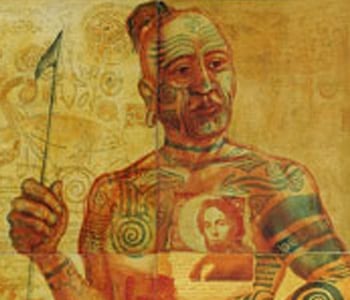
The Melville Society Archive housed at the New Bedford Whaling Museum has acquired original Moby-Dick artworks every year since 2009. In 2016 the Archive acquired seven mixed-media prints by Robert Del Tredici, who created his first artworks in response to Moby-Dick in the mid-1960s.
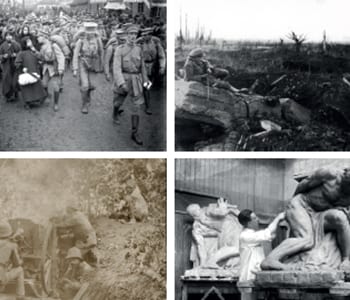
By going back to the origins, contexts, impact and memories of the First World War, the exhibition titled Portugal and the Great War: Contexts and Protagonists (1914-1918) examines the various aspects of Portuguese participation in this global conflict.
Among the great treasures of the New Bedford Whaling Museum are its collection of works by local painters of renown. Artists like R. Swain Gifford, William Bradford, Lemuel Eldred, Clement Nye Swift, and Charles Henry Gifford achieved fame in their lifetimes for their vision, skill, and often documentary prowess.
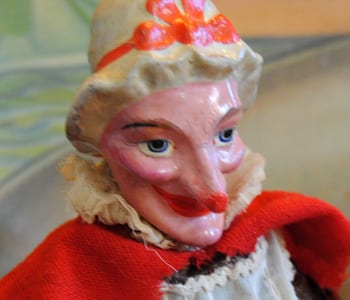
The star attraction was an abstract painting by two of New Bedford’s most beloved residents: Asian elephants Ruth and Emily from the Buttonwood Park Zoo. The 24” x 24” painting in bold primary colors was part of Timeless Toys, a special exhibition for children featuring antique and vintage toys, Punch and Judy puppets, books, comic books, games, and circus memorabilia.
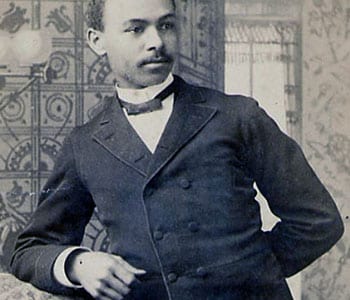
James E. Reed (1864-1939) was a prominent African American photographer in New Bedford. Having done photography for 34 years, Reed took photos of New Bedford and its citizens.
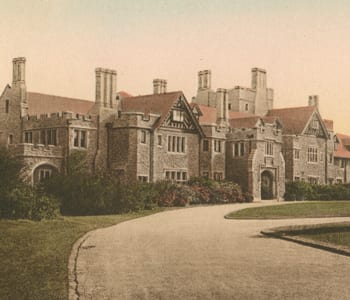
This exhibition explored Marion history as it rose in social and cultural prominence in the late 19th century as a destination resort community for noteworthy individuals from President Grover Cleveland to artist Charles Dana Gibson.
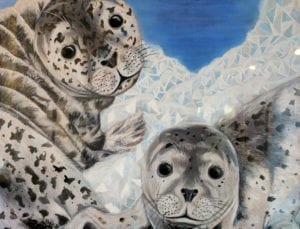
Exploring Biodiversity in Stellwagen Bank National Marine Sanctuary
January 26, 2018
February 28, 2018
Harbor Seals (left) by 11th grade student Linda Palominos was one of more than 50 works of marine art on display in the Whaling Museum’s San Francisco Gallery as part of an exhibition featuring winners of the Massachusetts Marine Educators (MME) 2017 Marine Art Contest for K-12 students.
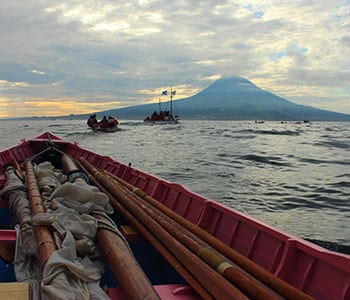
Three decades ago, the last Azorean whalemen set out from island shores in 40-foot boats to hunt whales. Today, the Azorean whaleboat lives on as a symbol of Portuguese-American heritage.
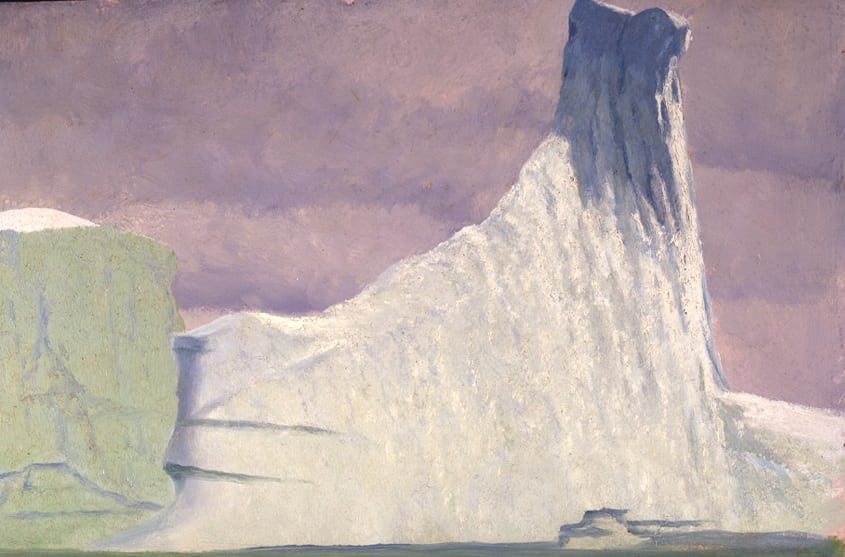
The paintings in Masterworks of Marine Painting were a selection of the finest oil paintings of maritime scenes in the Museum’s collection.
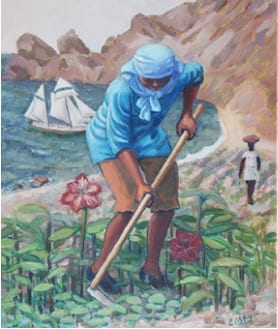
Cape Verdean Voices: An Exhibition in Honor of Judge George N. Leighton
June 28, 2019
August 30, 2019
The Cape Verdean experience is simultaneously a longing for “home,” recognition of the difficulties Cape Verdeans have faced throughout history, and the creative and unique ways that Cape Verdeans have adapted and persevered in Cabo Verde, New Bedford and beyond.
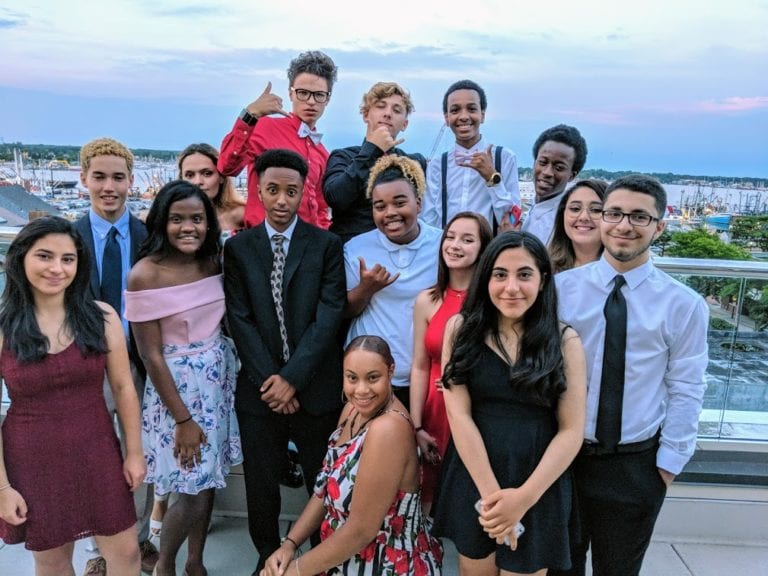
Young & Powerful: Stories, Reflections, and Experiences of Apprentices Past and Present
May 17, 2019
June 10, 2019
In celebration of the program’s approaching 10th anniversary, apprentices reflected on the program’s previous nine years and documented stories and experiences of apprentices past and present. Young & Powerful was an audio-based exhibition which offered a glimpse into the history and impact of the program as well as the personalities and identities of the apprentices themselves.
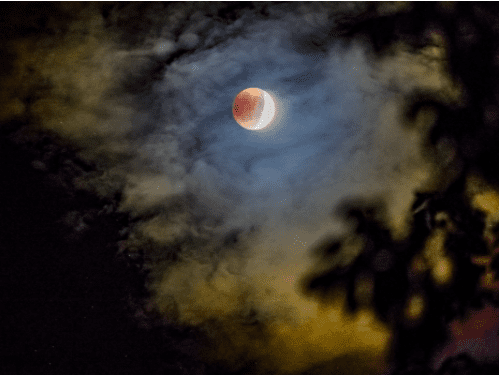
Former Whaling Museum curator Nicholas Whitman exhibits a selection of his recent photographic work adjacent to the Whaling Museum’s Albert Pinkham Ryder painting, Landscape, c. 1870.
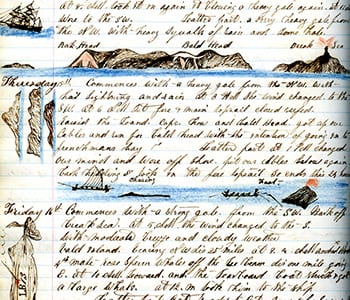
Buried deep within the logbooks, journals, and manuscripts of America’s whaling heritage are paintings, drawings, and representations of the whale hunt rarely, if ever, seen by the public.
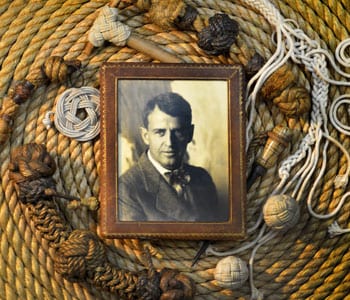
The New Bedford Whaling Museum celebrates the work of the master knot tyer, maritime artist, historian, and author Clifford W. Ashley in a monumental exhibition opening in one of the Museum’s most prestigious galleries.
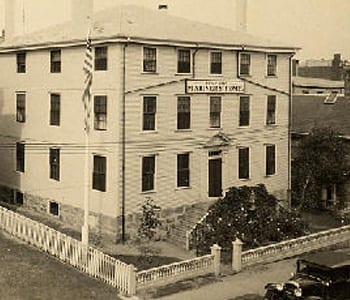
The New Bedford Whaling Museum curated four exhibitions on the first floor of the Mariners’ Home that brought to life the era when the boarding house was bustling with maritime guests and told the story of how the Mariners’ Home came to be.
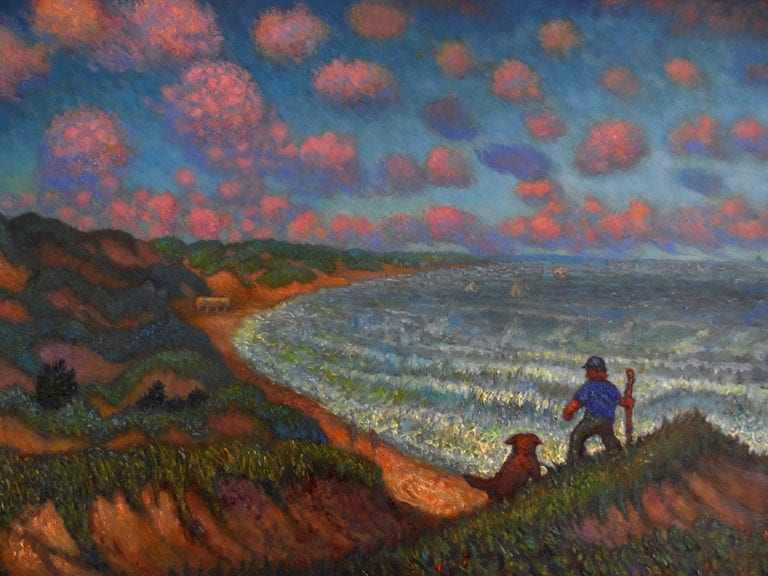
This exhibition explored a local South Coast artist working in oil paint, pen and ink, and watercolor to create works autobiographical in nature reflecting his interests in landscape painting and figure composition and his eternal search for the meaning of life.
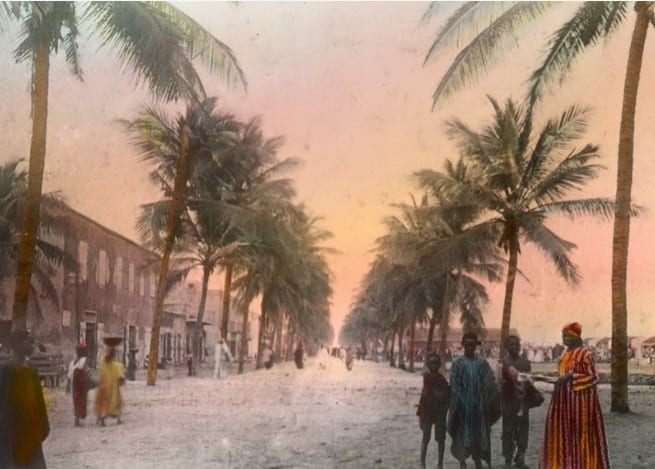
A New Bedford Mariner in Africa: Frederick Sowle’s Photographs of Senegal and Cape Verde
August 10, 2018
February 28, 2019
In 1973, a weathered man who looked like an old seaman walked into the Photography Department in Arlan’s Department Store on Brooks Street in New Bedford.
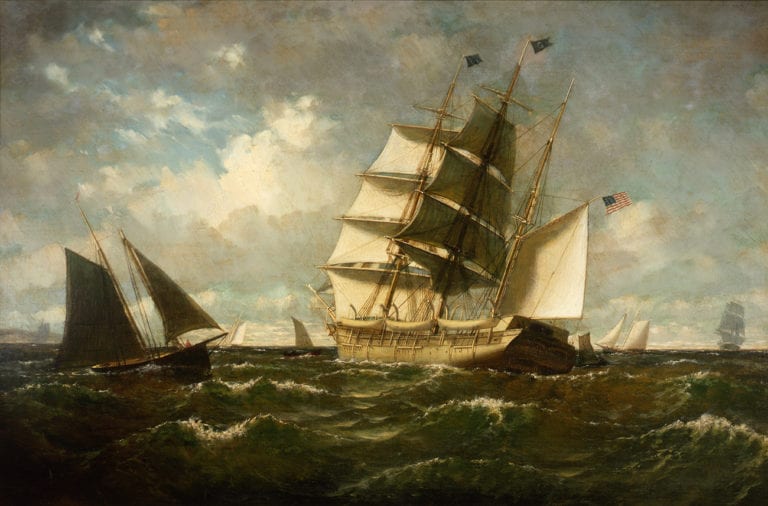
Sails and the wind drove humankind around the watery globe. The wind drove maritime commerce. It drove cultures. It raised up nations and destroyed them. It brought fortunes, heartbreak, exhilaration, and tragedy.
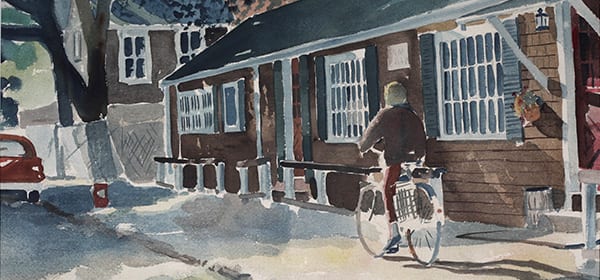
Norman Fortier is best known nationally as a photographer, particularly for his maritime pictures of yachts and regattas taken in and around Buzzards Bay, Narragansett Bay, and other popular waters of New England.
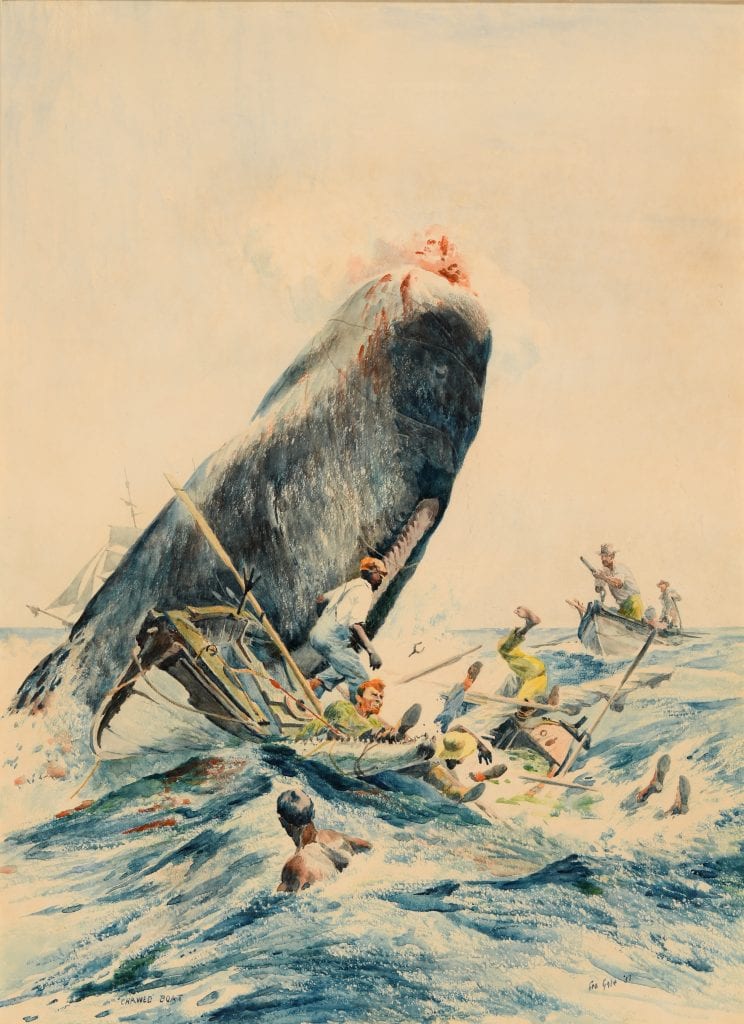
The exhibition George Gale: ‘A Sea-nurtured Artist’, highlighted the whaling and maritime themes explored by Gale, one of the last important artists to document the New Bedford’s whale fishery from firsthand observation.
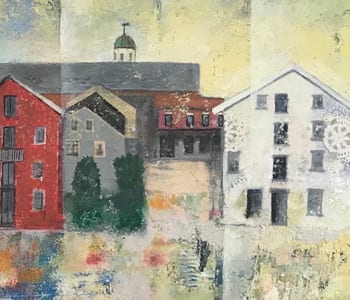
Alison Wells fuses significant local influences along with Caribbean culture and sensibilities to create unique and vibrant mixed media, large scale paintings.
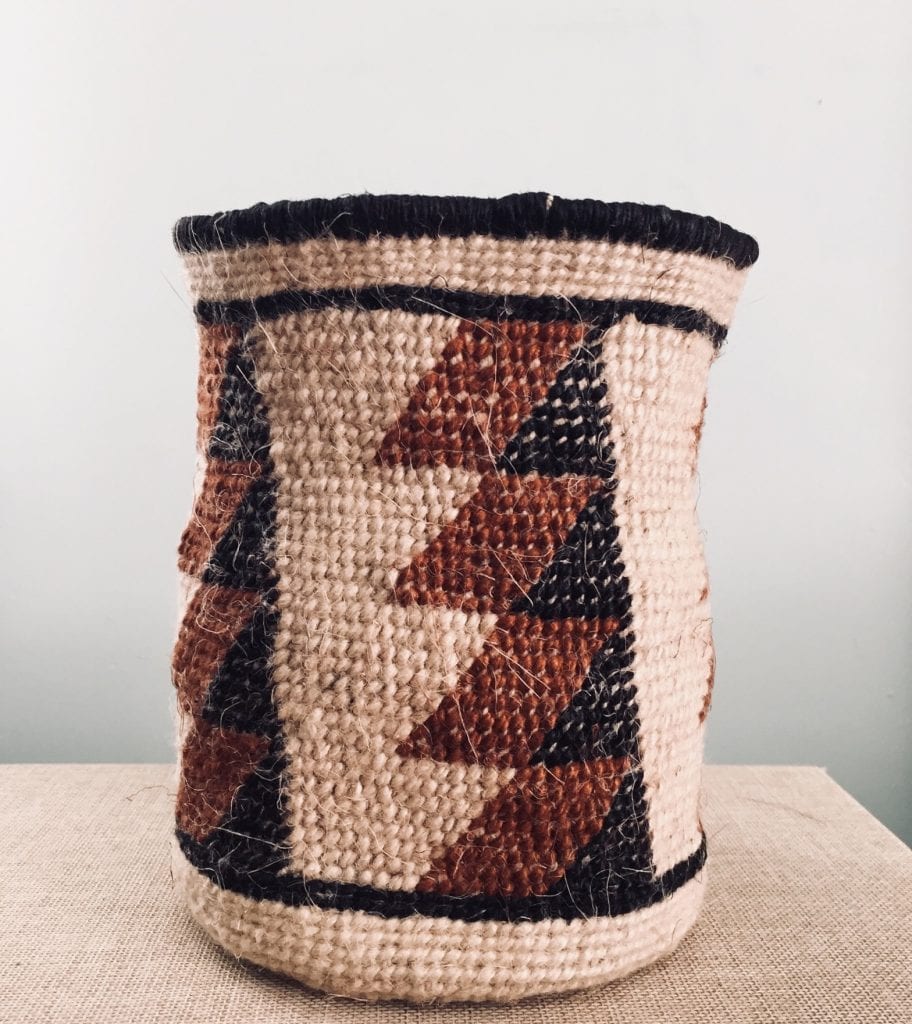
Through local, indigenous, contemporary art, this exhibition will conceptualize the significance of the 2020 quadricentennial from a native perspective.
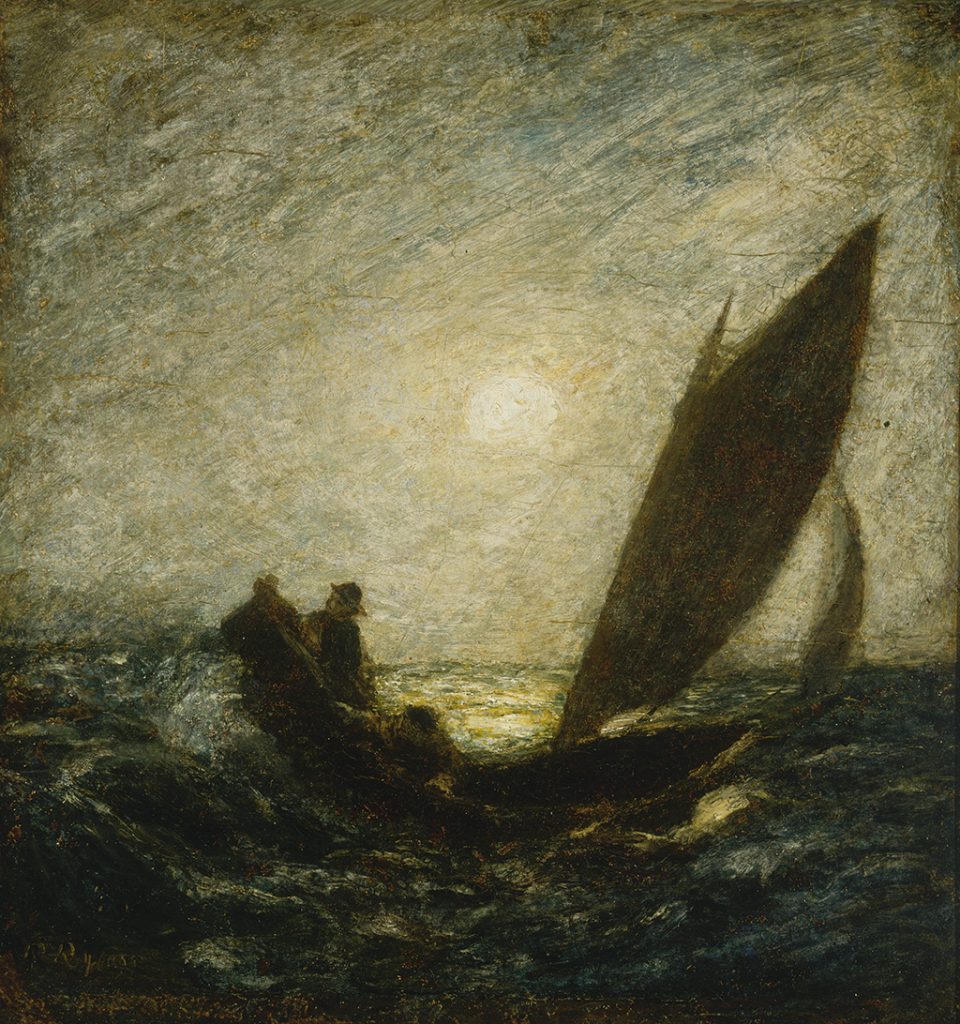
A Wild Note of Longing: Albert Pinkham Ryder and a Century of American Art
June 24, 2021
October 31, 2021
This critically acclaimed landmark exhibition brought together masterworks across the career of New Bedford native, Albert Pinkham Ryder (1847-1917). Explore the artworks and exhibition themes with our digital resources.
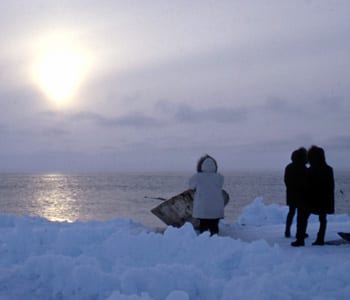
John Bockstoce has been described as an “Arctic Ulysses.” An Arctic anthropologist, historian, and archaeologist with a deep appreciation for Arctic people and culture, Bockstoce navigated the Northwest Passage—an icy and dangerous voyage—over the course of a decade.
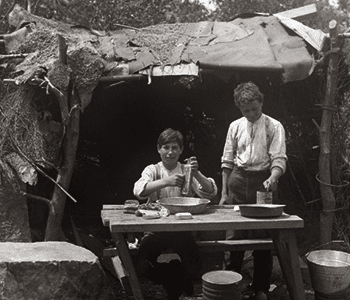
This online exhibit of images from our Standard Times collection explores intimate portraits of individuals living and working in New Bedford during the early 20th century.
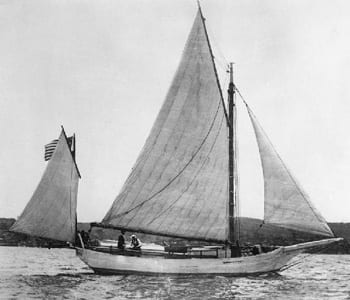
This exhibition, based on Stan Grayson’s newly published A Man for All Oceans: Captain Joshua Slocum and the first solo voyage around the world, explores the life of Slocum particularly in regards to his monumental and most well-known voyage alone on the Spray.
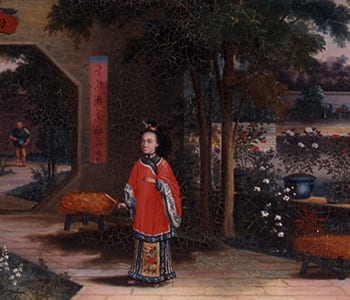
This companion exhibition to Enlightened Encounters focuses on the broader connections between the eastern seaboard of America and Asia. Drawing from its permanent collections, the Museum presents a deep look at relationships built between American whalers and merchants and the East.
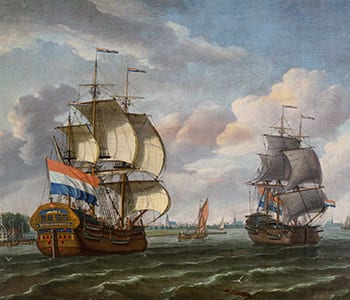
De Wind Is Op! Climate, Culture and Innovation in Dutch Maritime Painting
July 2, 2019
October 1, 2020
De Wind is OP! explored our extraordinary collections of Golden Age Dutch and Flemish paintings through a fresh lens.
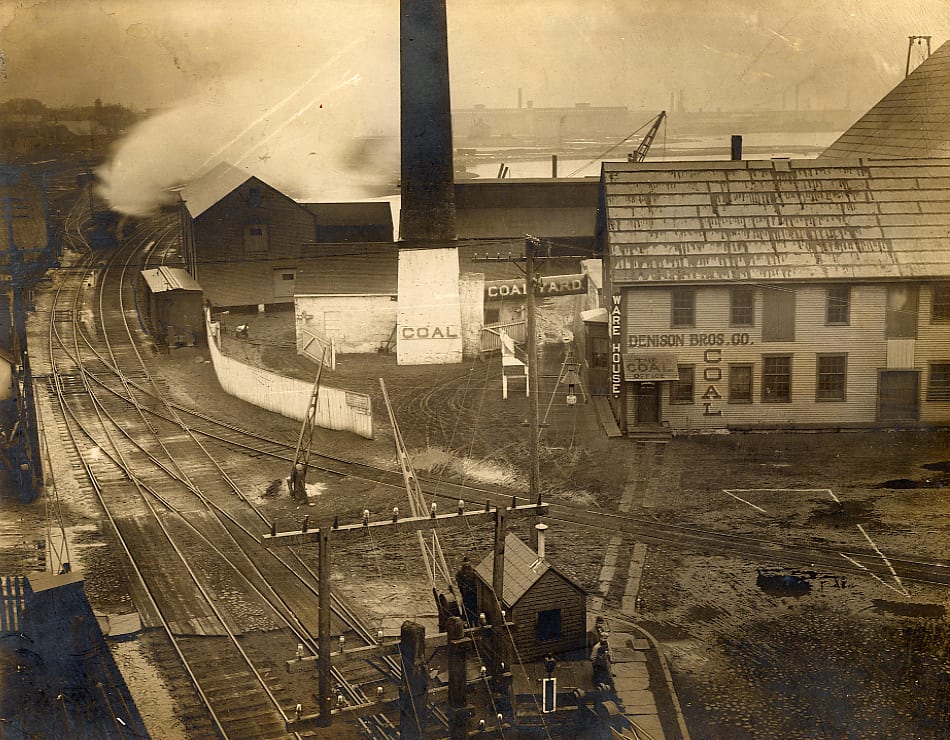
The primary means of that change included increased reliance upon the railroad, and increased reliance upon coal as the primary energy source to power growing industrial manufacturing including textile mills and other heavy industry.
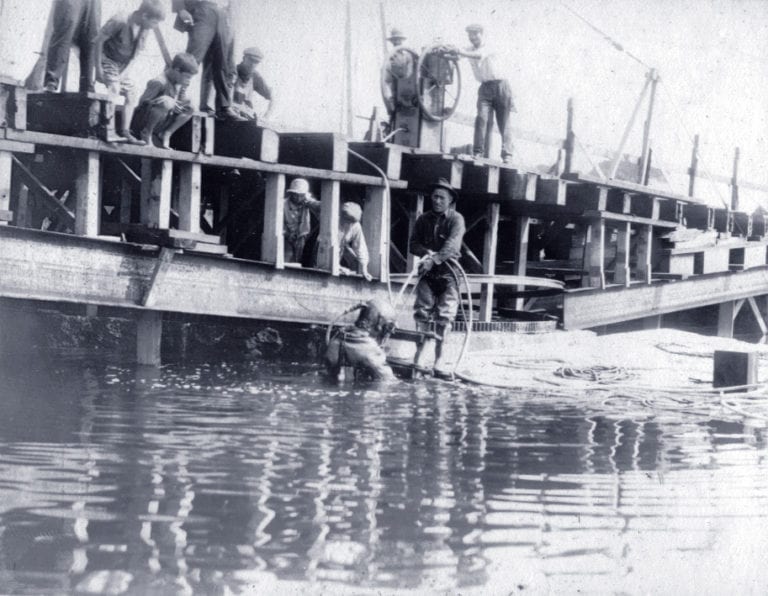
Many of the photos were from the Prescott collection, which show moments in time that were memorable and important to the Prescott family.
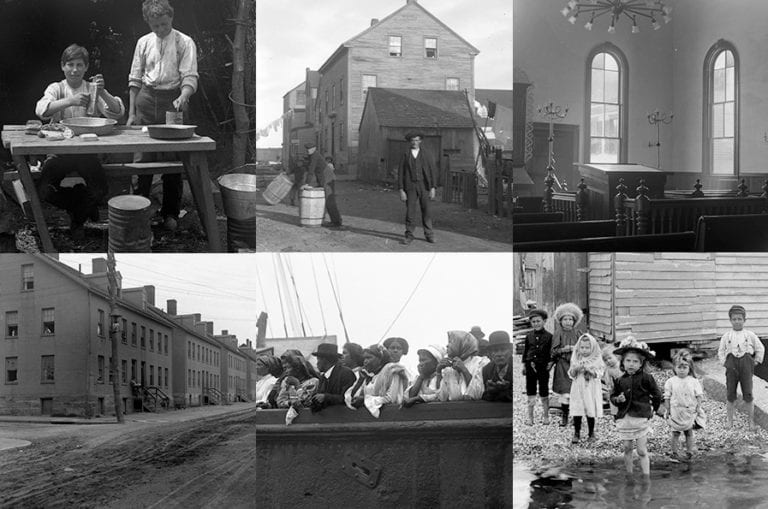
New Bedford is an extraordinary place of infinite possibilities where different paths from around the world have intersected and defined the city’s character.
An exhibition devoted to the life, times, and legacy of Captain Paul Cuffe–an abolitionist, entrepreneur, merchant, whaler, navigator and much more.