The William A. Watkins Collection of Marine Mammal Sound Recordings and Data
The Woods Hole Oceanographic Institution (WHOI) has gifted marine mammal data and artifacts to the New Bedford Whaling Museum.
The New Bedford Whaling Museum is home to two significant ocean research collections - one that documents the development of the field of marine bioacoustics and another that comprises a comprehensive collection of early marine mammal recordings. These collections were transferred from the Woods Hole Oceanographic Institution in 2015.
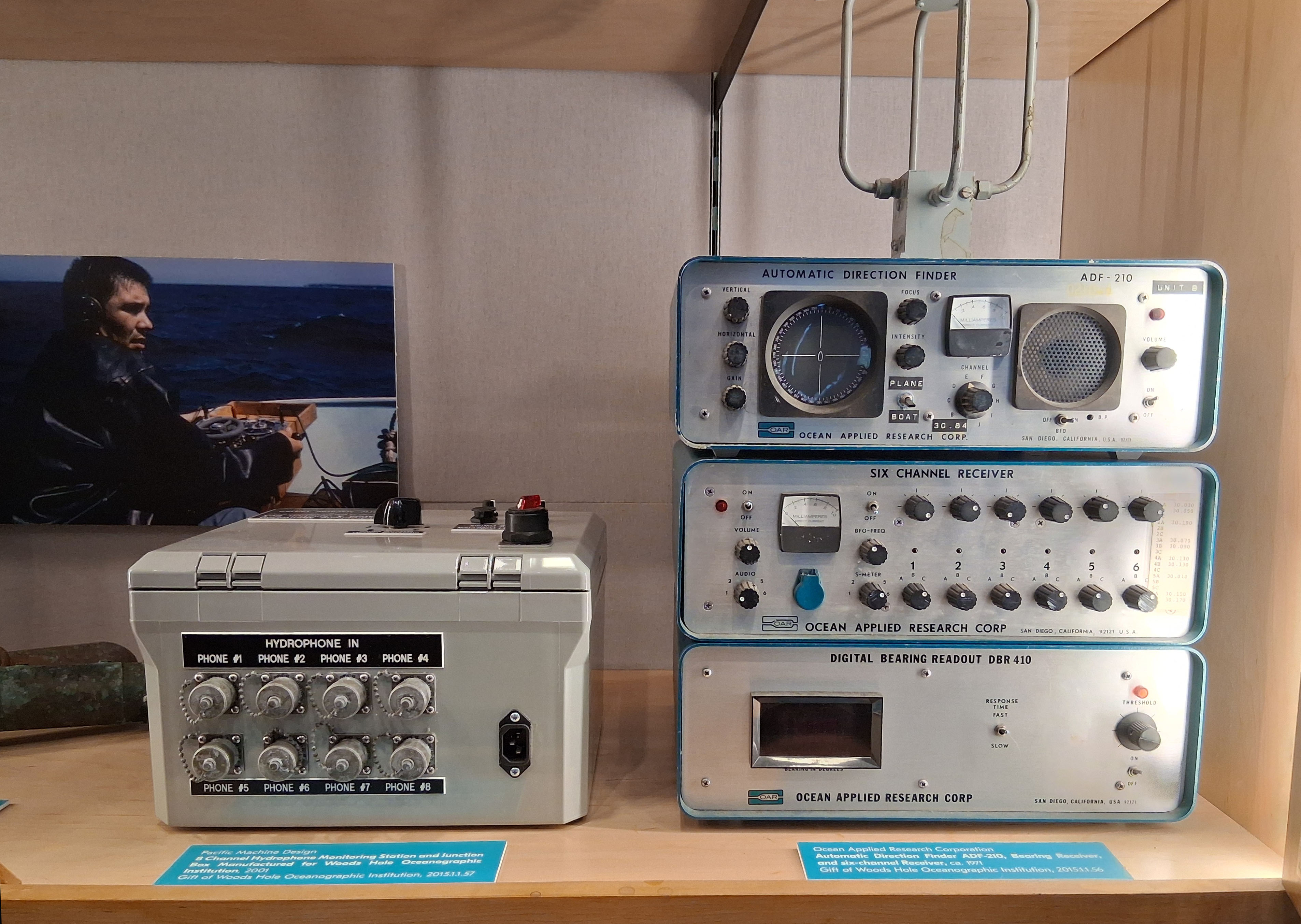
The William A. Watkins and William E. Schevill Collection of Images and Instruments consists of photographs, recording instruments and research tools. These collections were created or collected by William A. Watkins, with the assistance of William E. Schevill, Peter Tyack, Melba Caldwell, Thomas Poulter, and G. Carleton Ray, among others. Many of these recording devices were the first of their kind, and were created by Schevill, Watkins, and WHOI engineers.
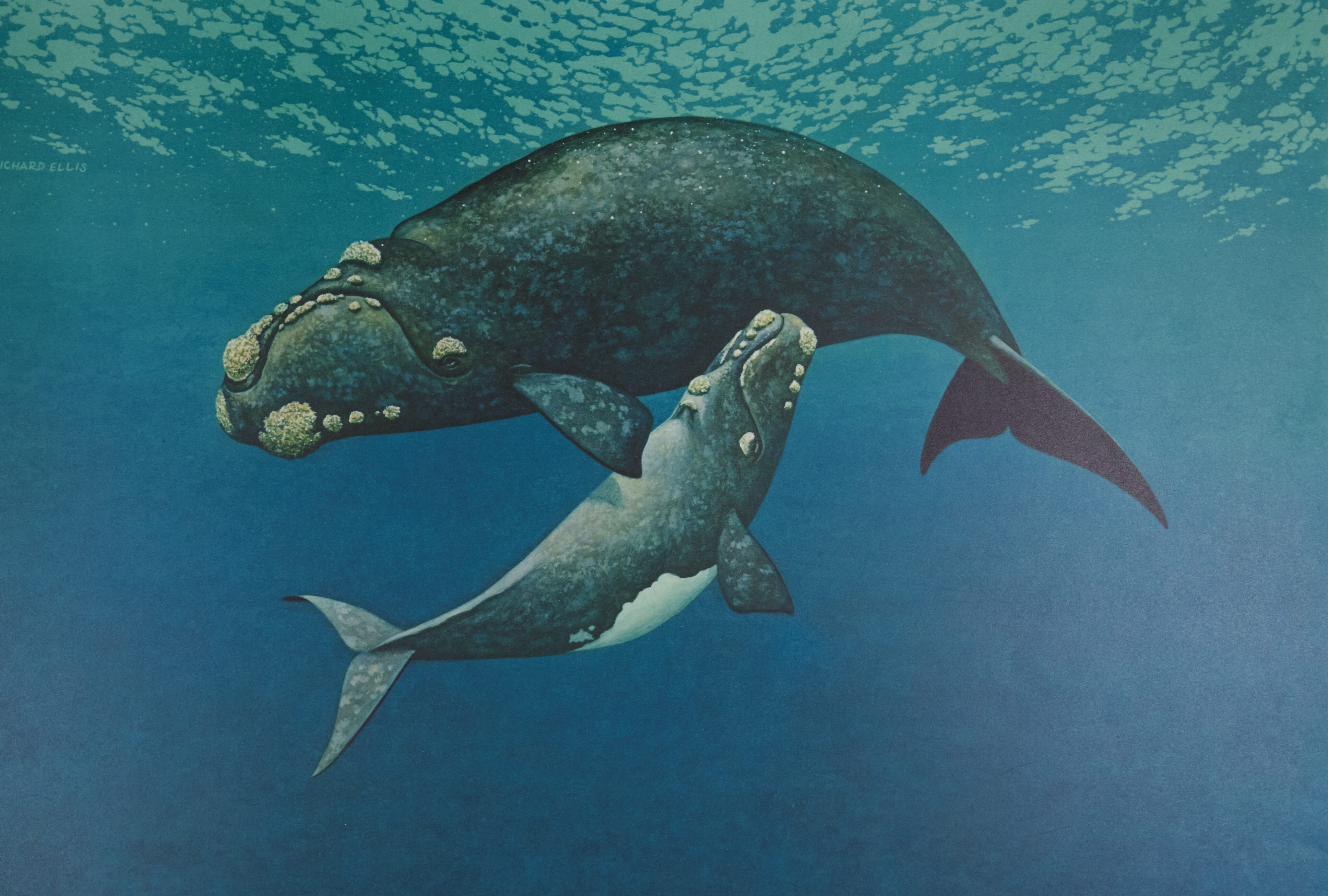
Click on the ˅ next to ‘Artist/Maker/Culture’ beneath the ‘Refine Results’ header. Choose the species you would like to hear from the list that appears. Please note, there are a few entries that don’t yet have audio files.
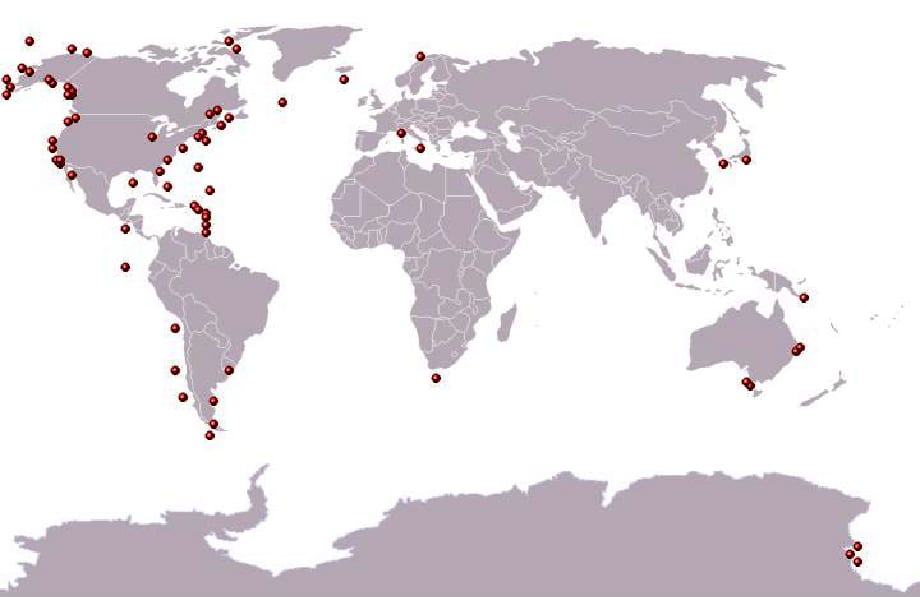
The William A. Watkins Collection of Marine Mammal Sound Recordings and Data consists of Watkin’s data set, audio and video recordings, papers and reprints. There are thousands of recordings of more than 60 species of marine mammals collected by Watkins and many others over a span of seven decades in a wide range of geographic areas. Forty-eight of these are voucher recordings – the first ever recordings of these species.
In addition, several collections of marine mammal audio recordings that were made by colleagues of Dr. Watkins were donated to him during his time at the Woods Hole Oceanographic Institution. These important recordings were included in the 2015 transfer and are housed here at the Museum.
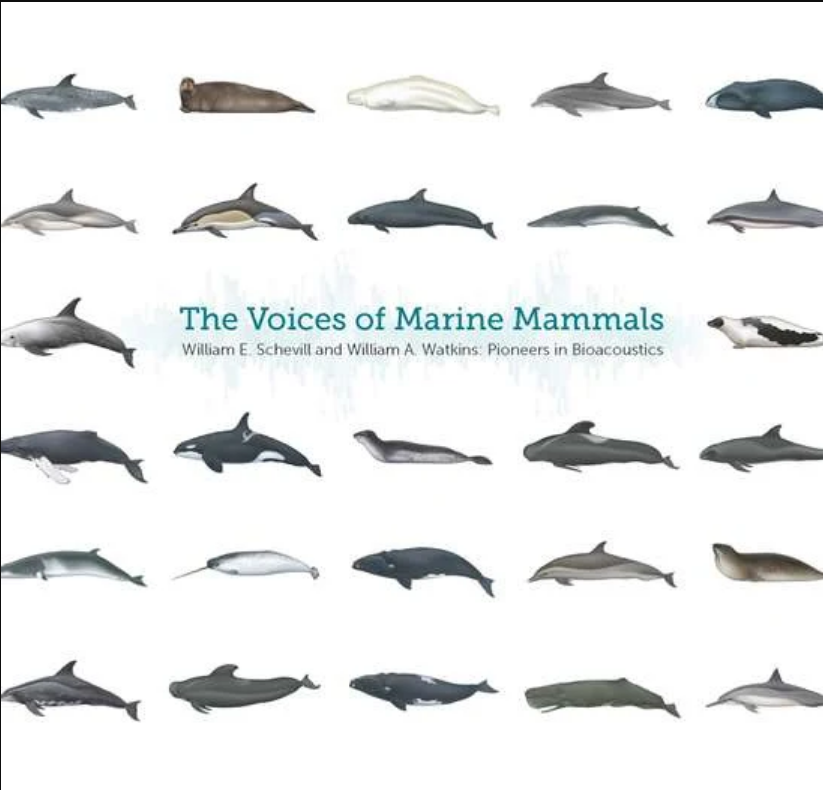
In 2019 the Museum published The Voices of Marine Mammals, which provided the opportunity to explore and share the depth of the research inspired by Schevill and Watkins. Told by many of their collaborators, co-workers and graduate students who are now established researchers, the stories in this book speak to their influence and legacies, their ingenuity, and the development of marine bioacoustic technology. These stories are especially insightful regarding the refinement of research instruments and methods and data interpretation.
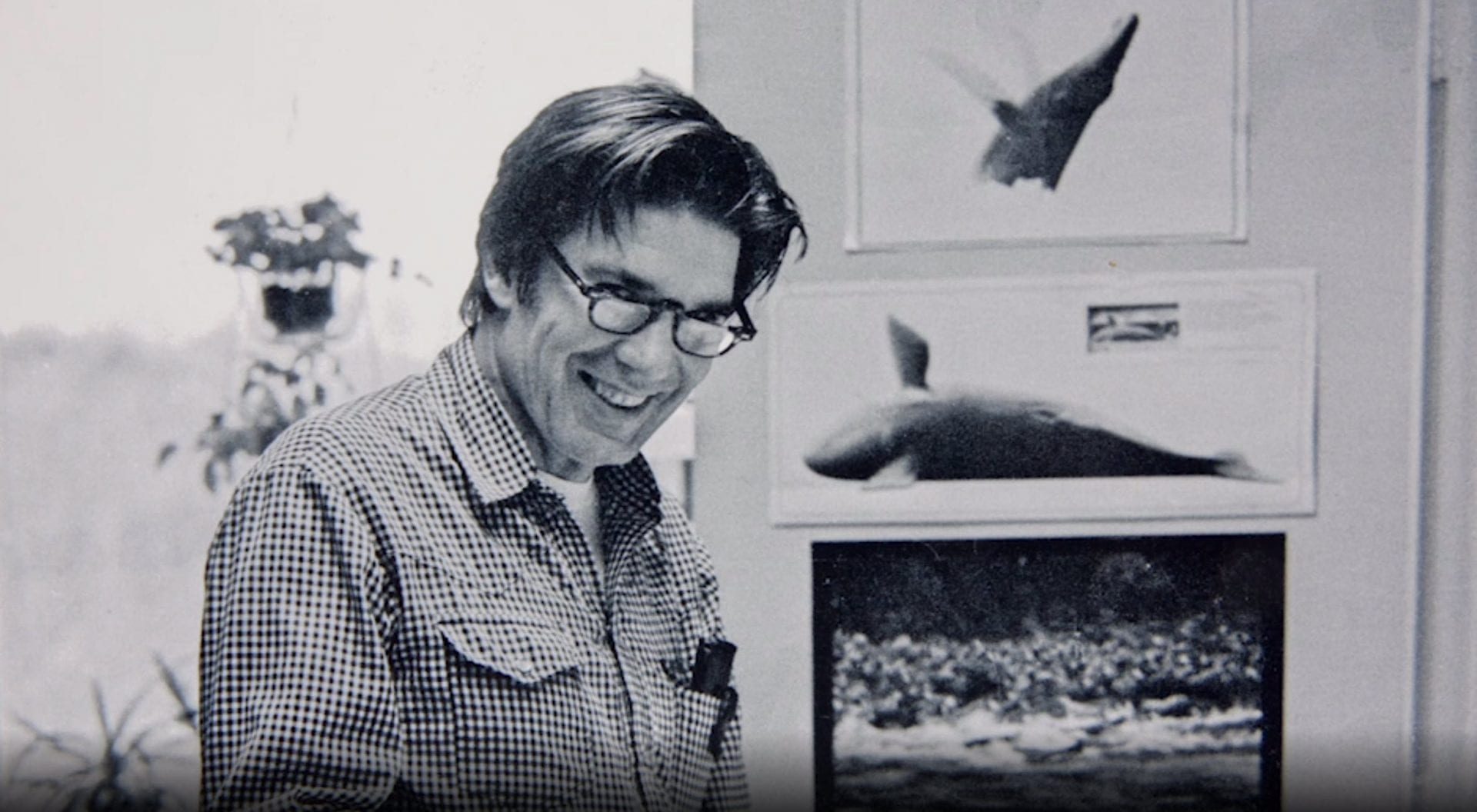
William Alfred Watkins
William Alfred Watkins was a pioneer in marine mammal bioacoustics, studying the acoustic behavior of whales, dolphins, and seals in their natural environments.
He was born January 8, 1926 in Conakry, French Guinea in West Africa, where his parents worked for the Christian Missionary Alliance Mission. After receiving a B.A. degree in anthropology from Wheaton College in Illinois in 1947, he worked on the college’s staff in electrical and radio systems until 1950 before returning to West Africa, where he was born and raised. Interested in linguistics, he mastered more than 30 African languages. He built and operated an international radio station (ELWA) in Monrovia, Liberia from 1951-1957. He also served as President of the West African Broadcasting Association, and was station manager and language department chief of ELWA before moving back to the United States and Cape Cod.
Marine Recording Locations worldwide & Related Resources
WHOI finding aid offering a more detailed description
Transcript of interview with William A. Watkins by Gary Weir and Frank Taylor (pdf), March 2000