February 12, 2026 – AHA! Night | 4:00 PM to 8:00 PM
Free admission
Vestibules: Stories of Water, Memory, and Resilience
An Interactive Eco-Art Storytelling Experience on AHA! Night, February 12, 2026
Co-hosted by the New Bedford Whaling Museum & Vestibules Eco-Art Project
Step into the layered stories of New Bedford’s past, present, and future.
Vestibules: Stories of Water, Memory, and Resilience is an immersive, interactive evening blending live performance, historical interpretation, portraiture, and community storytelling. Moving throughout select galleries of the Museum, participants will encounter costumed historical figures, contemporary artists, and fellow community members as they explore how New Bedford’s maritime, revolutionary, and ecological histories continue to shape our understanding of place, culture, and environmental responsibility today.
Rooted in the city’s 19th-century whaling era—and reaching further back to Indigenous and early colonial histories—this event invites visitors to reflect on how people have understood, depended on, and fought to protect the natural world across generations. Through storytelling, creative expression, and dialogue, Vestibules connects historic voices with present-day conversations about climate resilience, environmental justice, and cultural memory.
The content gathered during the evening—including portraits, oral histories, poetry, and visual responses—will help shape Vestibules, a forthcoming public eco-art installation and community gathering space at Brooklawn Park in New Bedford.
What to Expect
Throughout the evening, guests are free to move through a series of curated “Vestibules”—interactive stations located in Museum galleries and public spaces. Each vestibule offers a unique way to engage with history, ecology, and storytelling.
4:00 PM – Doors Open with Free Museum-wide Admission
Guests are welcomed by costumed historical interpreters and invited into the evening’s narrative.
4:15 PM – Opening Gathering in the Cook Memorial Theater
Welcome remarks and program introduction, followed by a short performance.
4:30–7:00 PM – Vestibule Experiences
Guests explore interactive stations throughout select Museum galleries, engaging in storytelling, performance, portraiture, and dialogue. Vestibules (galleries) include:
- Jacobs Family Gallery (Lower Level): Exploring Our Ecosystem: Climate Change, Whales, and Us
- Conversations and oral history sharing stations about connections to water and the environment (recording optional)
- Live performances and storytelling hosted by environmental artist and activist Tem Blessed
- Photobooth with period and contemporary dress props available
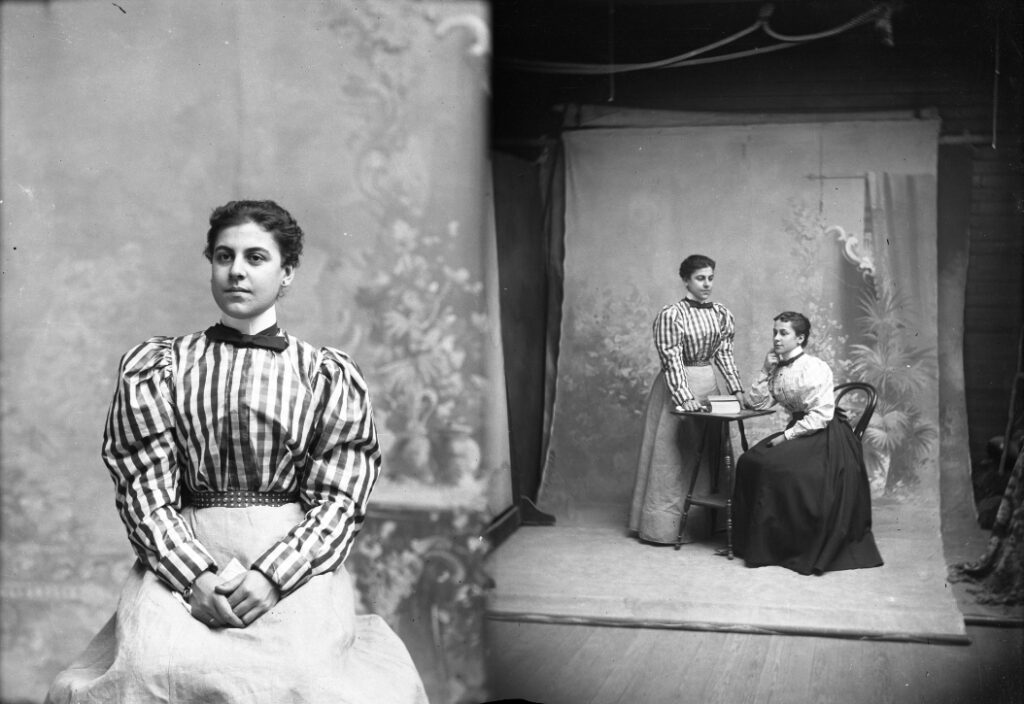
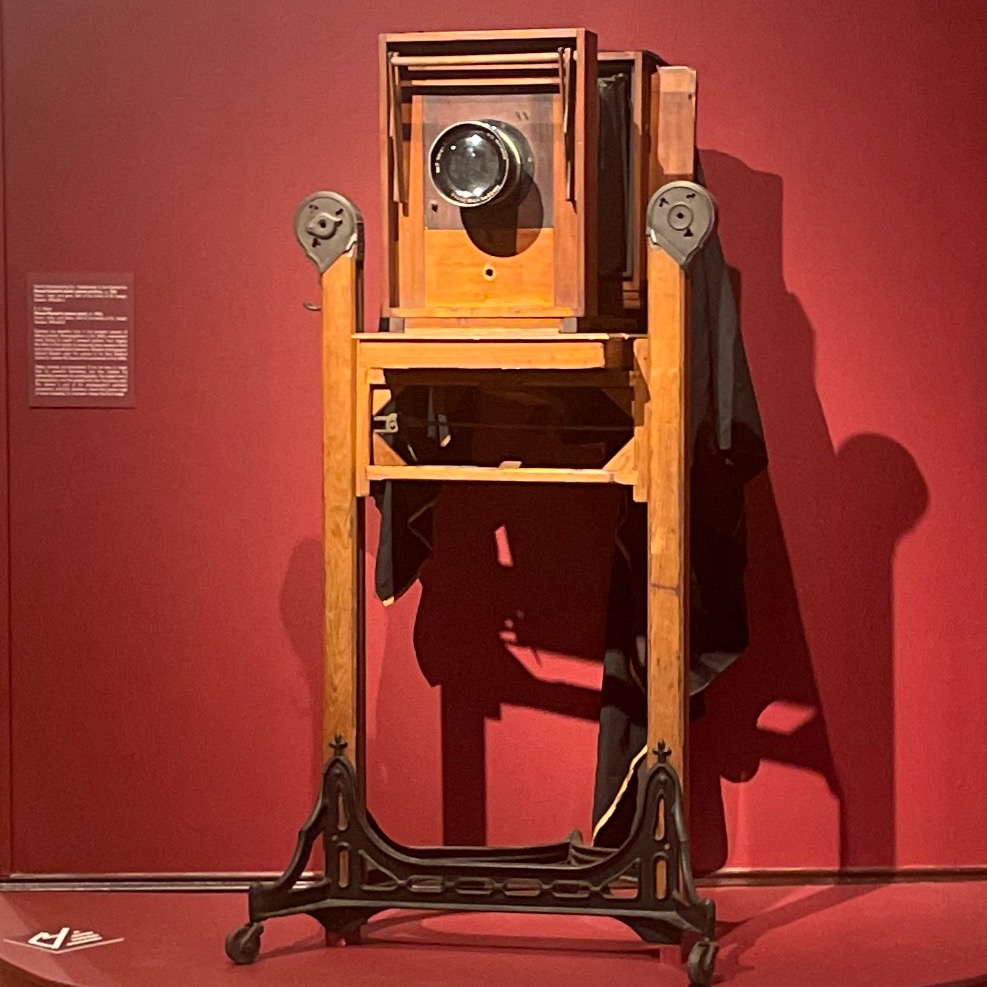
- Wattles Family Gallery (Lower Level): “Look Pleasant, Please”: Early Portrait Photography in New Bedford.
- Meet and greet exhibition curator Marina Dawn Wells, PhD, Assistant Curator of History & Culture
- Portrait photography with Andrew Kepinski
- Braitmayer Family Galleries (Main Level): Forging Independence | Building a Nation
- Join the Write with Community activity (5:00 PM-7:00 PM) on the way into/out of the gallery
7:00–7:45 PM – Closing Circle in the Jacobs Family Gallery (Lower Level)
A celebration and collective reflection on shared histories, hopes for climate resilience, and next steps for the Vestibules project. Lite complimentary refreshments, music, and participatory performances can be expected.
A printed and digital event map will guide visitors to each vestibule.
Historical & Cultural Framework of the Vestibules Eco-Art Project
The Vestibules project centers voices that shaped—and were shaped by—the land and waters of the South Coast, including:
- Wampanoag leaders and community members from the Acushnet and Sconticut Neck region
- Indigenous and immigrant laborers in the whaling and maritime industries
- Abolitionists, inventors, and activists connected to New Bedford’s global influence
- The relationship between naturalist Henry David Thoreau and New Bedford Quaker abolitionist Daniel Ricketson, whose correspondence and visits to Brooklawn (1854–1861) inform the project’s ecological lens
Through these narratives, the overarching Vestibules Eco-Art Project examines how colonization, industrialization, and environmental change transformed both human and natural landscapes—and what these transformations can teach us today.
Why Vestibules Matters
Vestibules is both an event and a process—centering community voices as foundational to public art, environmental education, and historical interpretation. The stories and creative responses gathered will inform a permanent eco-art installation at Brooklawn Park, transforming shared memory into a living, public space for reflection and gathering.
About the Vestibules Eco-Art Project Organizers
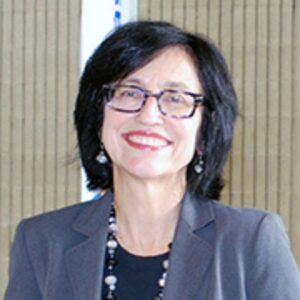
Anna Dempsey, Professor & Chair of the Art Department at UMass Dartmouth
Anna studied Environmental Engineering at M.I.T. and earned her Ph.D. from Columbia University, focusing on humanist philosophy and 20th-century American and European culture. She has curated multiple exhibitions on women artists and modern/contemporary American culture, with research published in journals from M.I.T. Press, Columbia University, and others. Anna’s current book project, Entangled Modernisms: American Women Artists, Community, and the Natural World, is based on a National Endowment for the Humanities grant supporting research at the Winterthur Museum in Delaware.
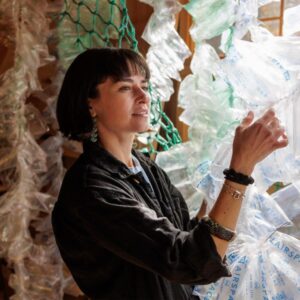
Katy Rodden Walker is a multidisciplinary artist and educator. Questioning constructed boundaries, hierarchies, and entrenched systems, her artistic research and creative practice explore the complexities and interconnections between humans, nonhumans, and technology as they relate to the natural world. She has exhibited nationally and is the recipient of several grants from The New Bedford Cultural Council (2023 & 2024), and the University of Massachusetts Dartmouth Blue Economy Grant (2025). Rodden Walker has an MFA from the University of Massachusetts Dartmouth and is an Assistant Teaching Professor in the College of Art, Media + Design at Northeastern University.