Traveling Exhibitions
The New Bedford Whaling Museum offers a variety of touring special exhibitions that vary based on kind and number of objects, square footage, and facility requirements.
Contact us for more information about host venue requirements, availability, and pricing.
for more information, email: curatorial@whalingmuseum.org
Click on a logo below to jump directly to the exhibition details.



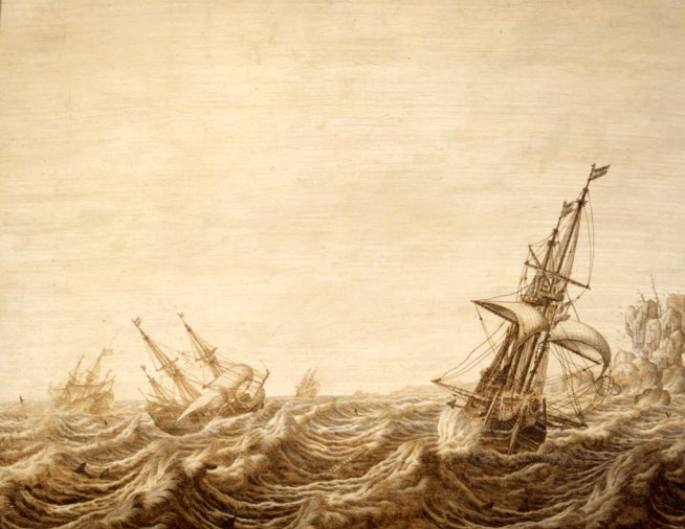
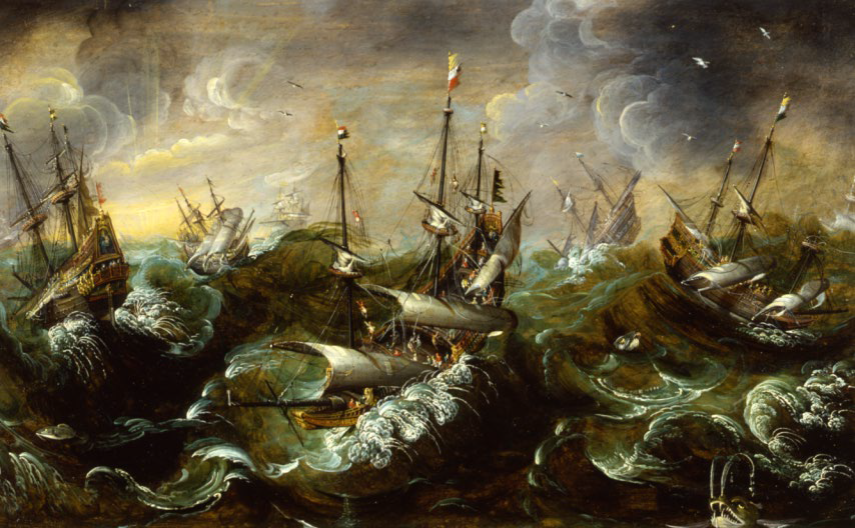
De Wind is Op! Climate, Culture and Innovation in Dutch Maritime Painting
Space requirements: flexible checklist can fill 4,000-6,000 square foot gallery
- 60 unique collection objects, including prints, paintings, and decorative arts
- Introductory text, 12 thematic didactic panels, and individual object labels
- Museum staff/docent training
- Marketing collateral, graphic design elements, and video and text for PR
- Need to meet certain light-level, environmental, and security conditions
The Art of “Moby-Dick, or the Whale”
Space requirements: 2000-3000 square foot gallery
- Over 45 unique collection objects, including prints, paintings, and rare books
- 6 thematic didactic panels, and individual object labels
- 12 quotations, designed for vinyl reproduction
- Teacher resources and in-gallery activities
- Museum staff/docent training
- Marketing collateral, graphic design elements, and video and text for PR
- Need to meet certain light-level, environmental, and security conditions
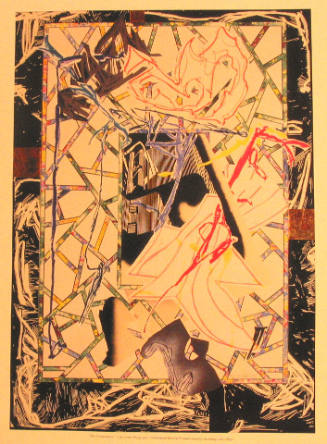
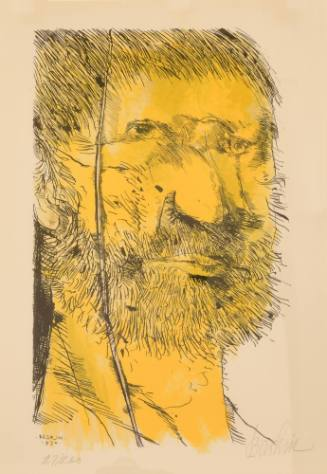
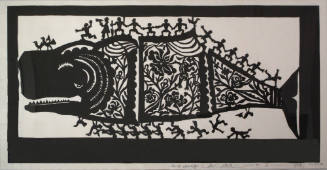
When Herman Melville published Moby-Dick; or, The Whale in 1851, it was not the break-away hit we might imagine. Instead, it was a commercial failure and received negative criticism due to its lengthy prose. Today it is regarded as one of the greatest American novels ever written, and many booklovers are drawn to its pages for repeated readings. Visual artists, in particular, have found inspiration in Melville’s poetic use of language, descriptive text, and philosophical underpinnings. This exhibition brings together over 45 dazzling works on paper by celebrated modern and contemporary artists, quotations from the novel in question, and rare printings of the book, to exemplify the flexibility and dynamism of Melville’s text as a source for artmaking. Works by Matt Kish, Laura Bird, Leonard Baskin, Karl Knaths, Robert Del Tredeci, and Frank Stella, among others reveal Melville’s novel as a flexible mirror for the exploration of deep and timeless themes about humanity, nature, and the internal and external worlds. The exhibition promises to be a visual crowd-pleaser and offers myriad programming opportunities offered in partnership with the organizing institution.
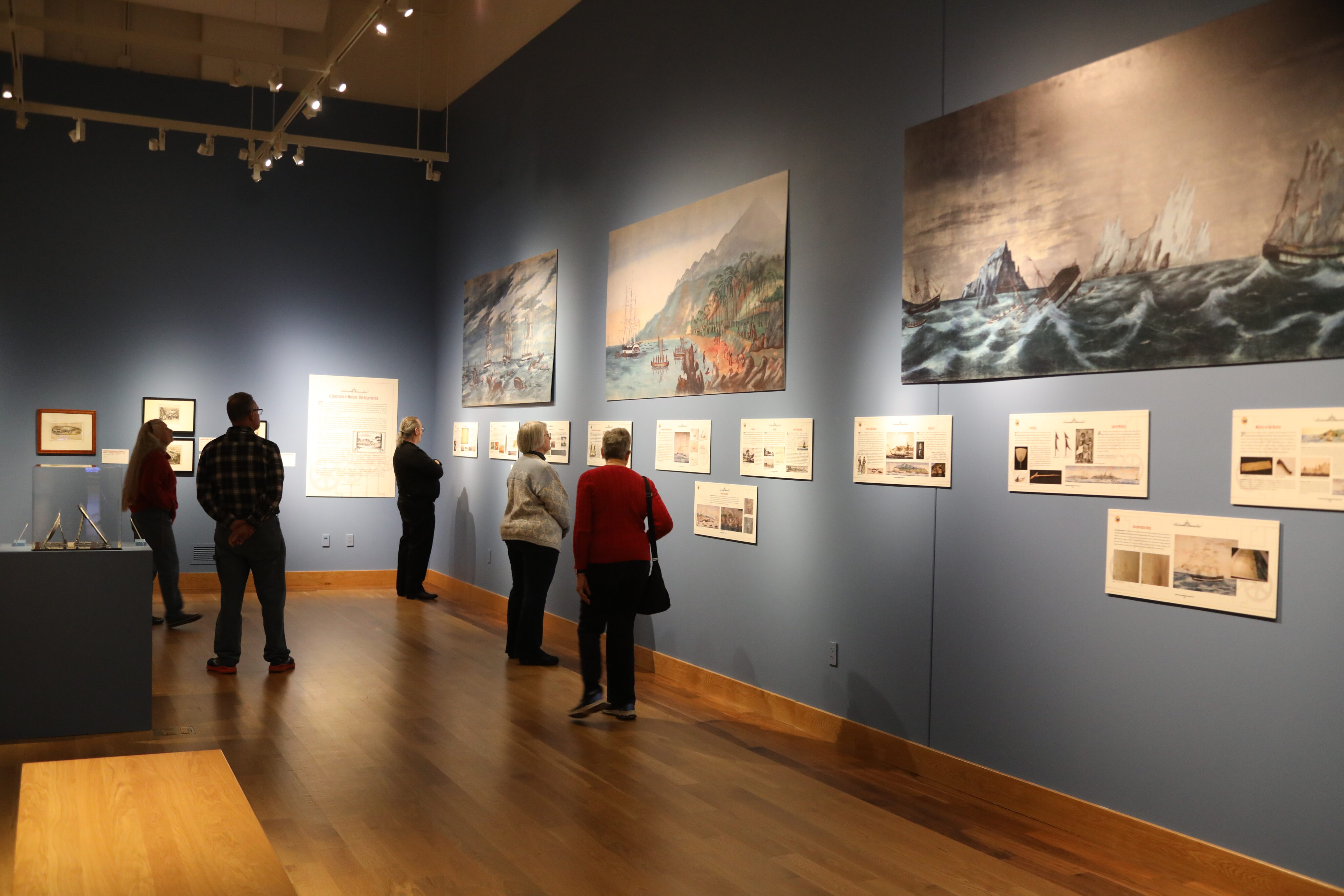
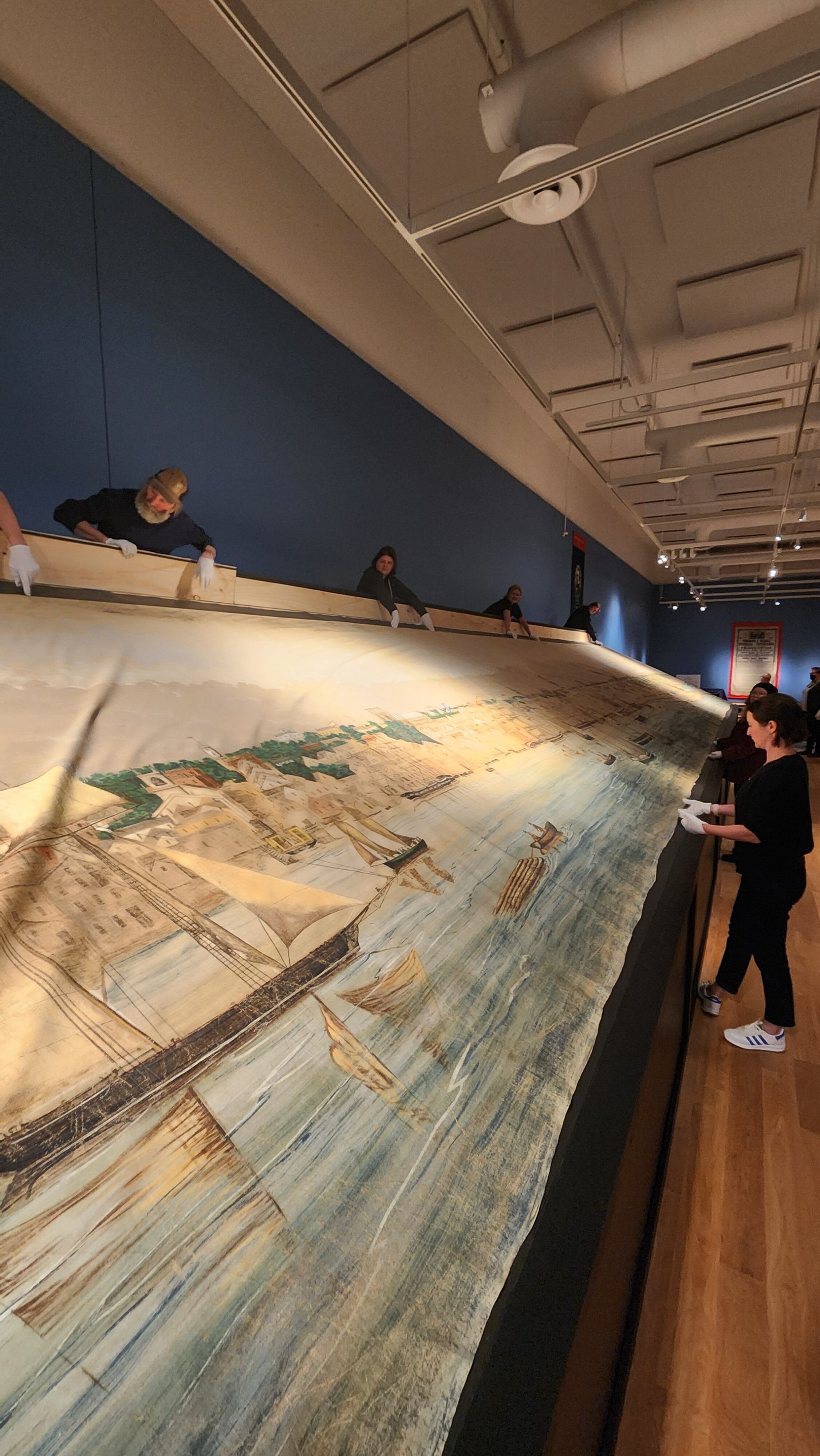
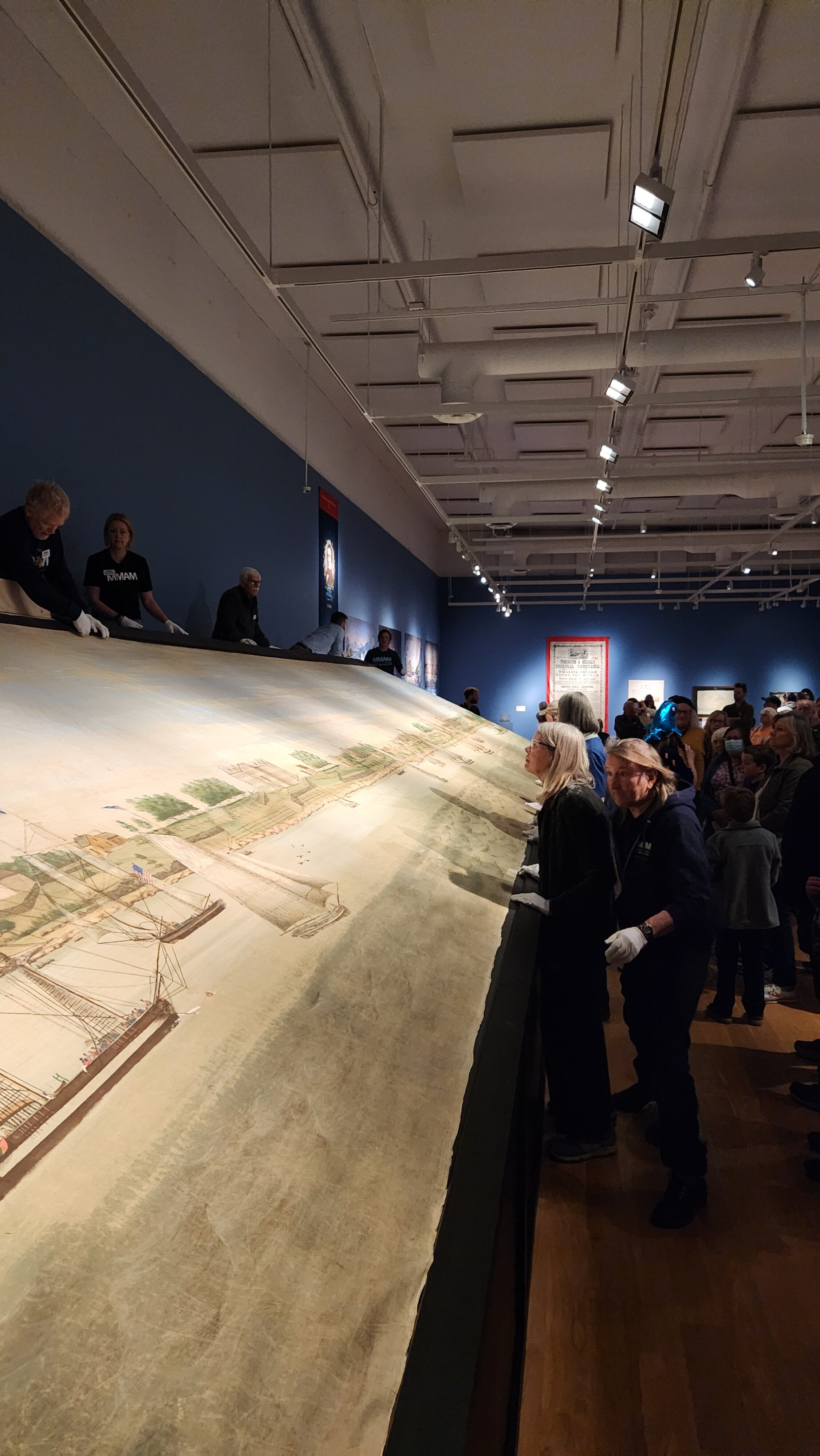
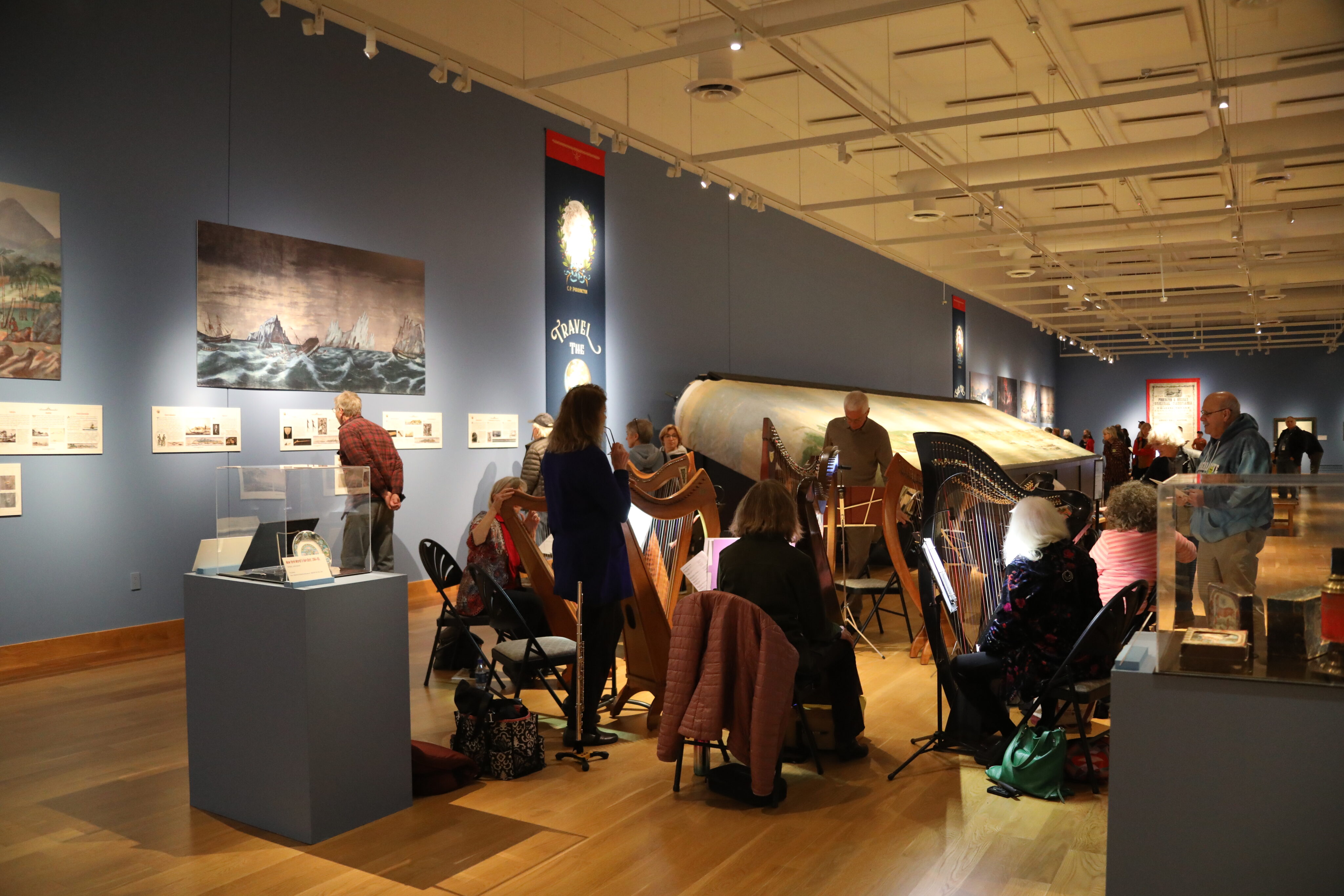
A Spectacle in Motion: The Grand Panorama of a Whaling Voyage 'Round the World
Space requirements: ca. 3,000-5000 square foot gallery
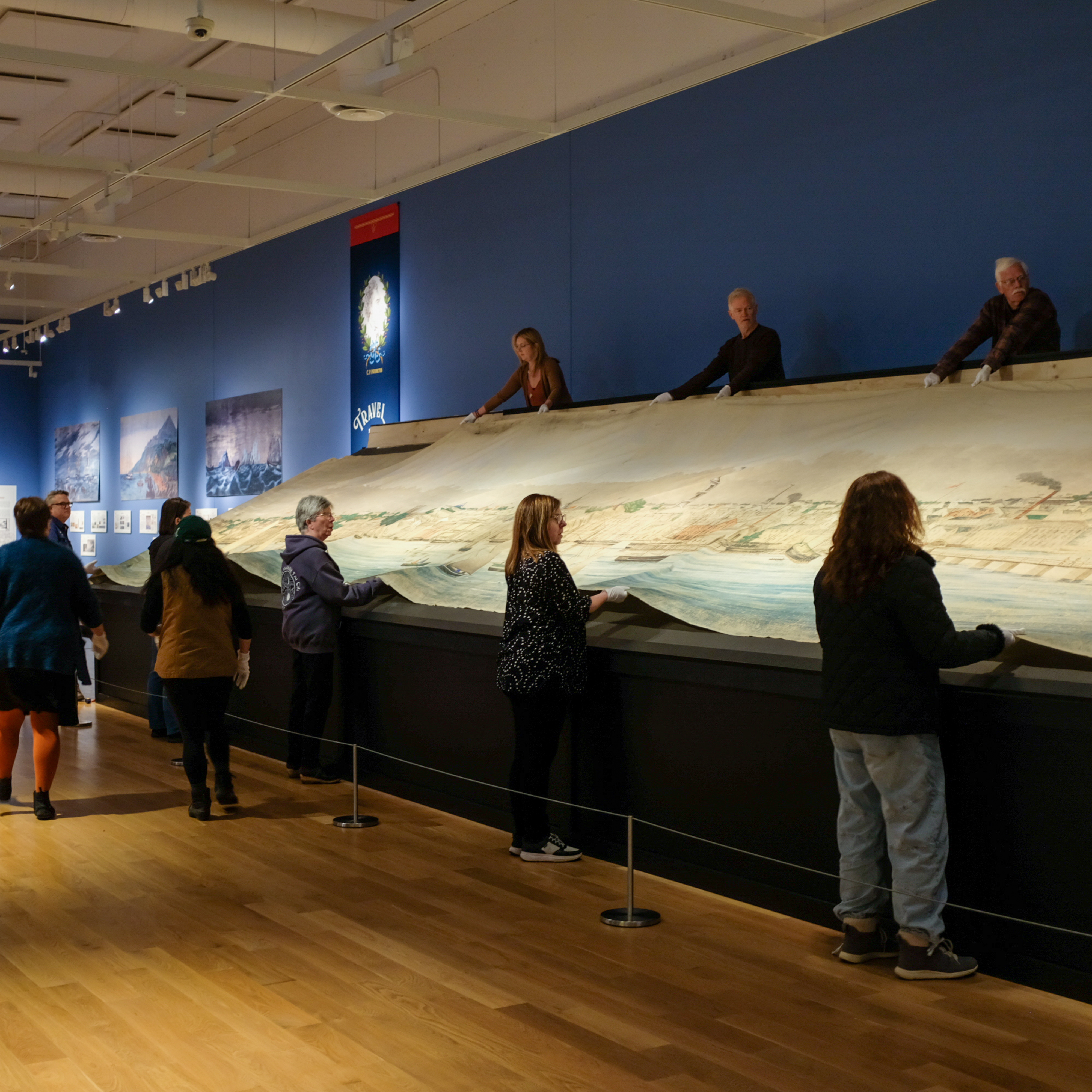
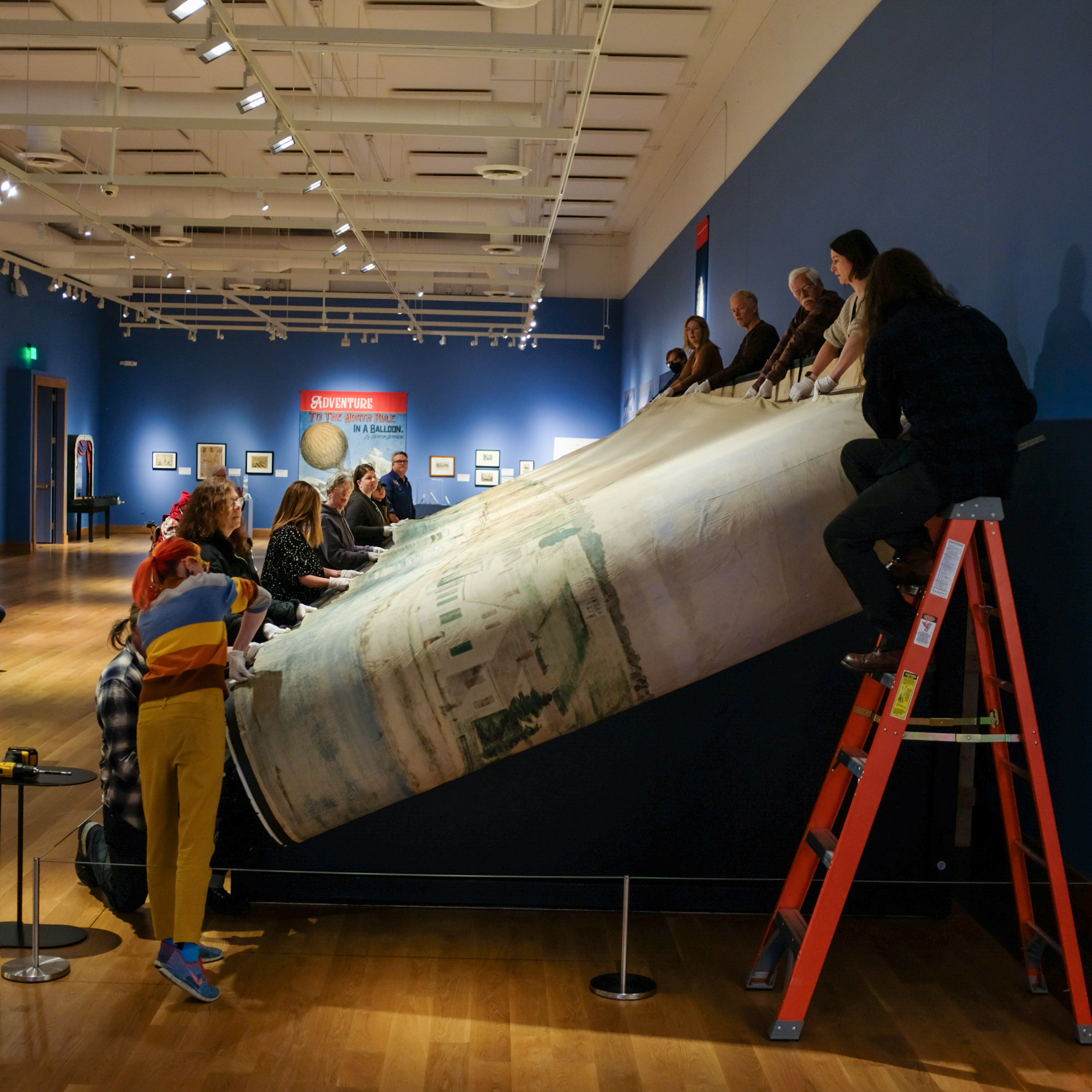
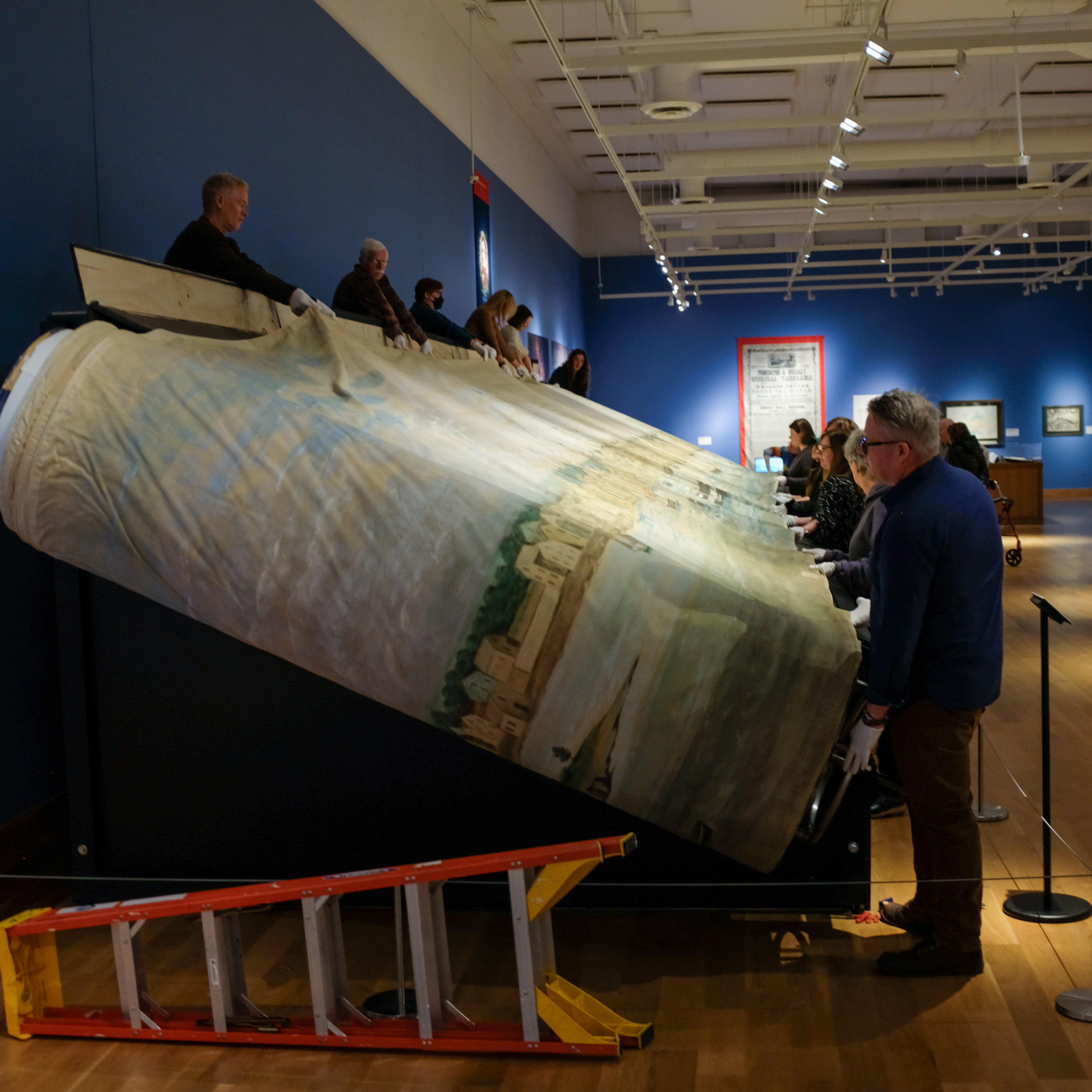
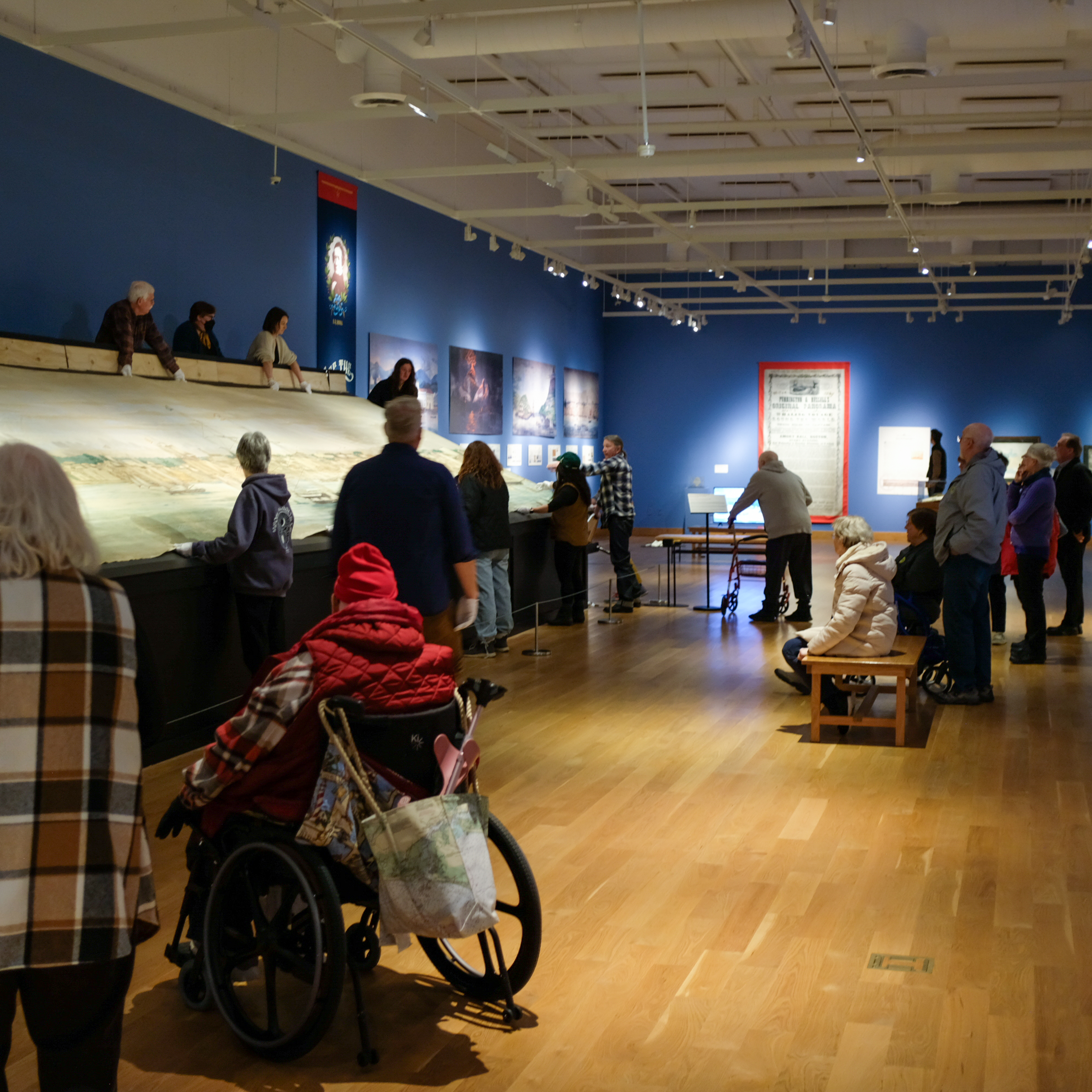
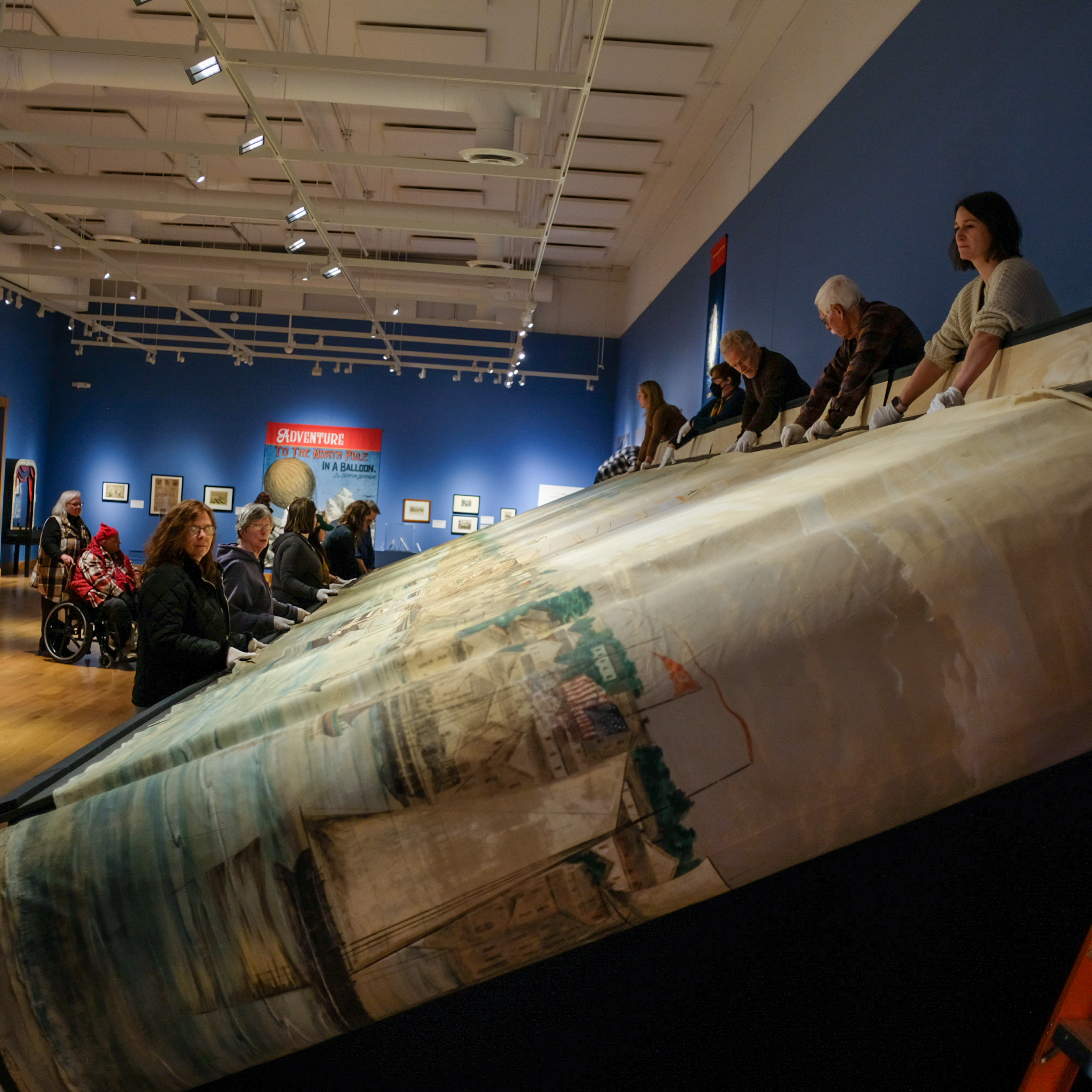
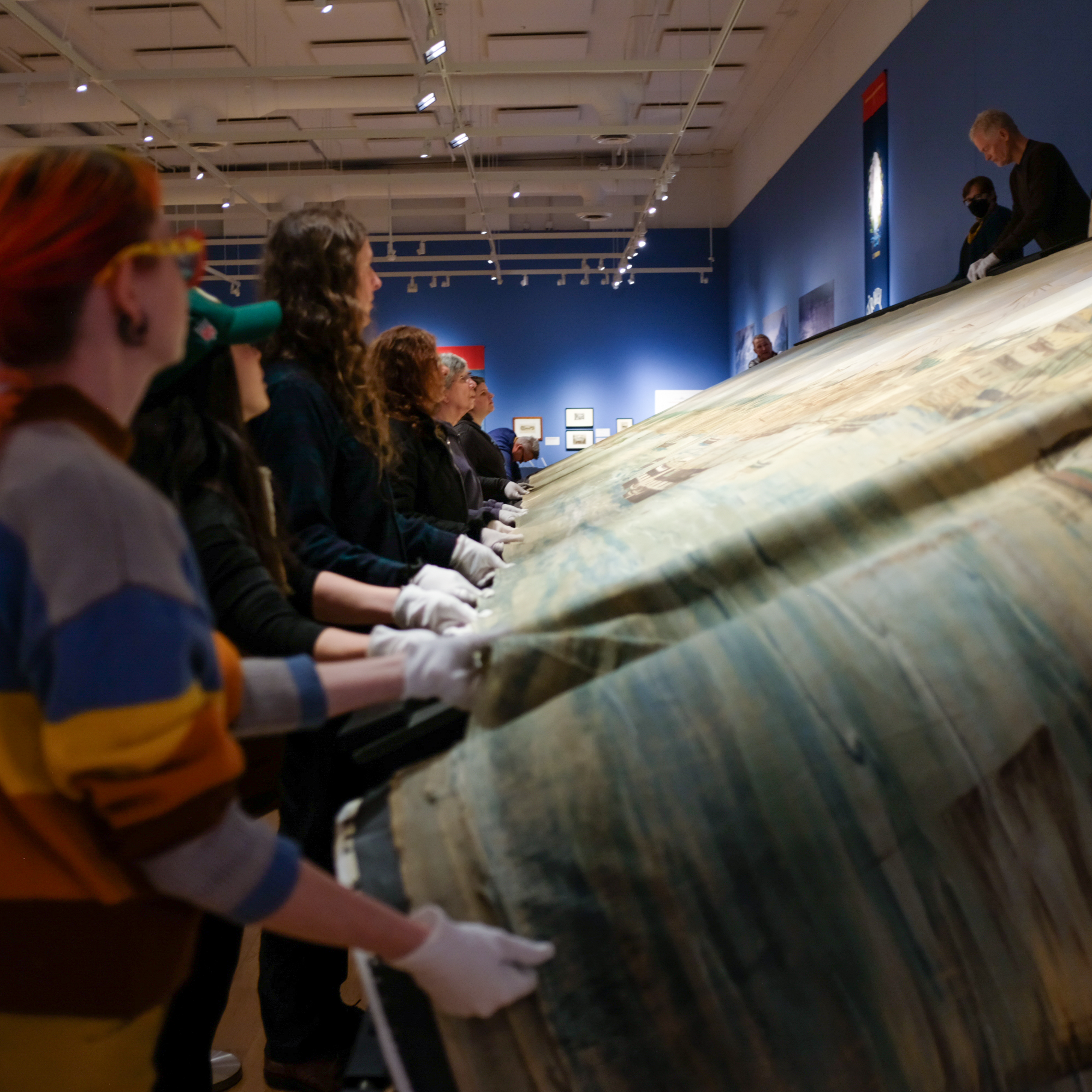
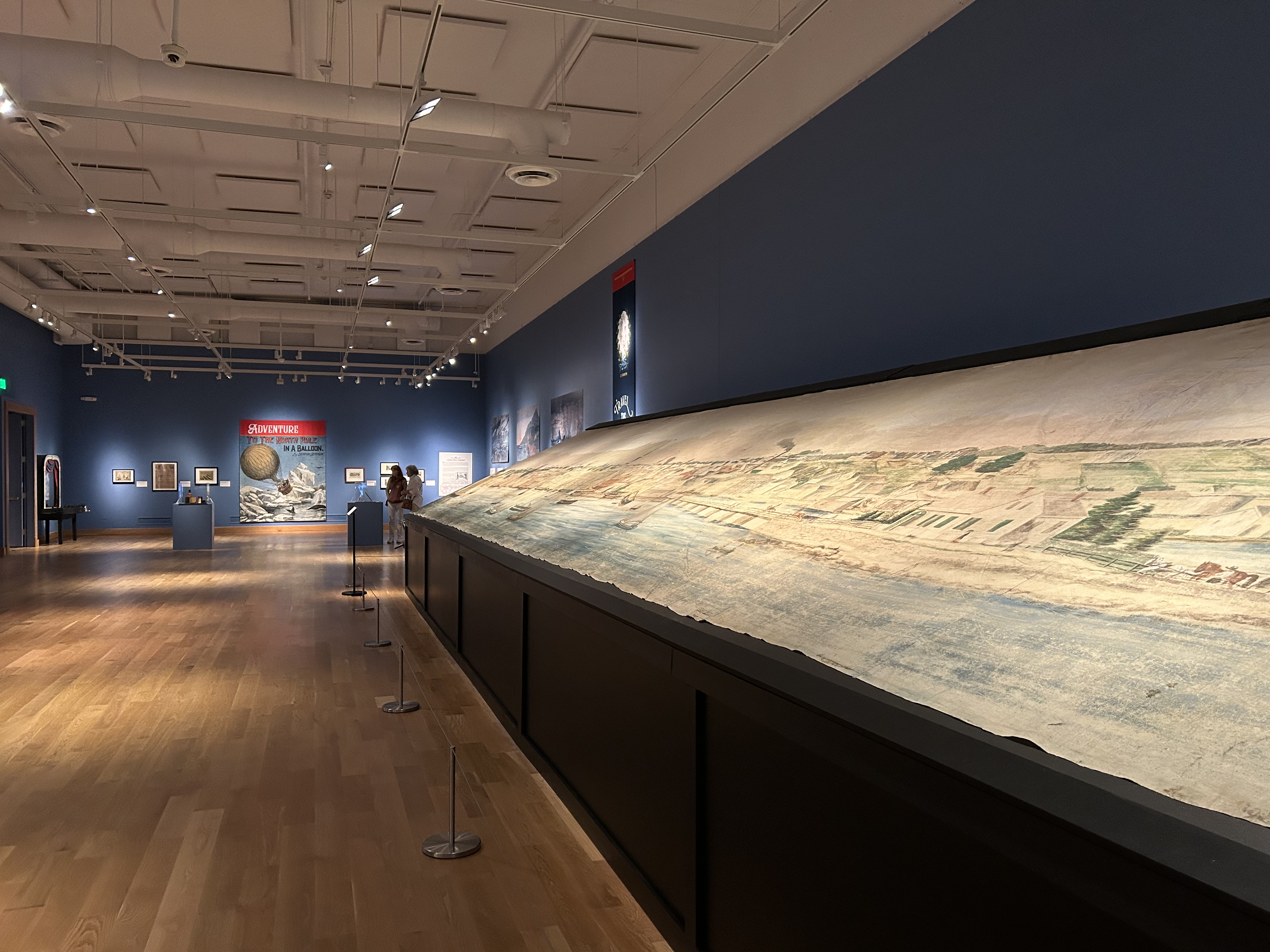
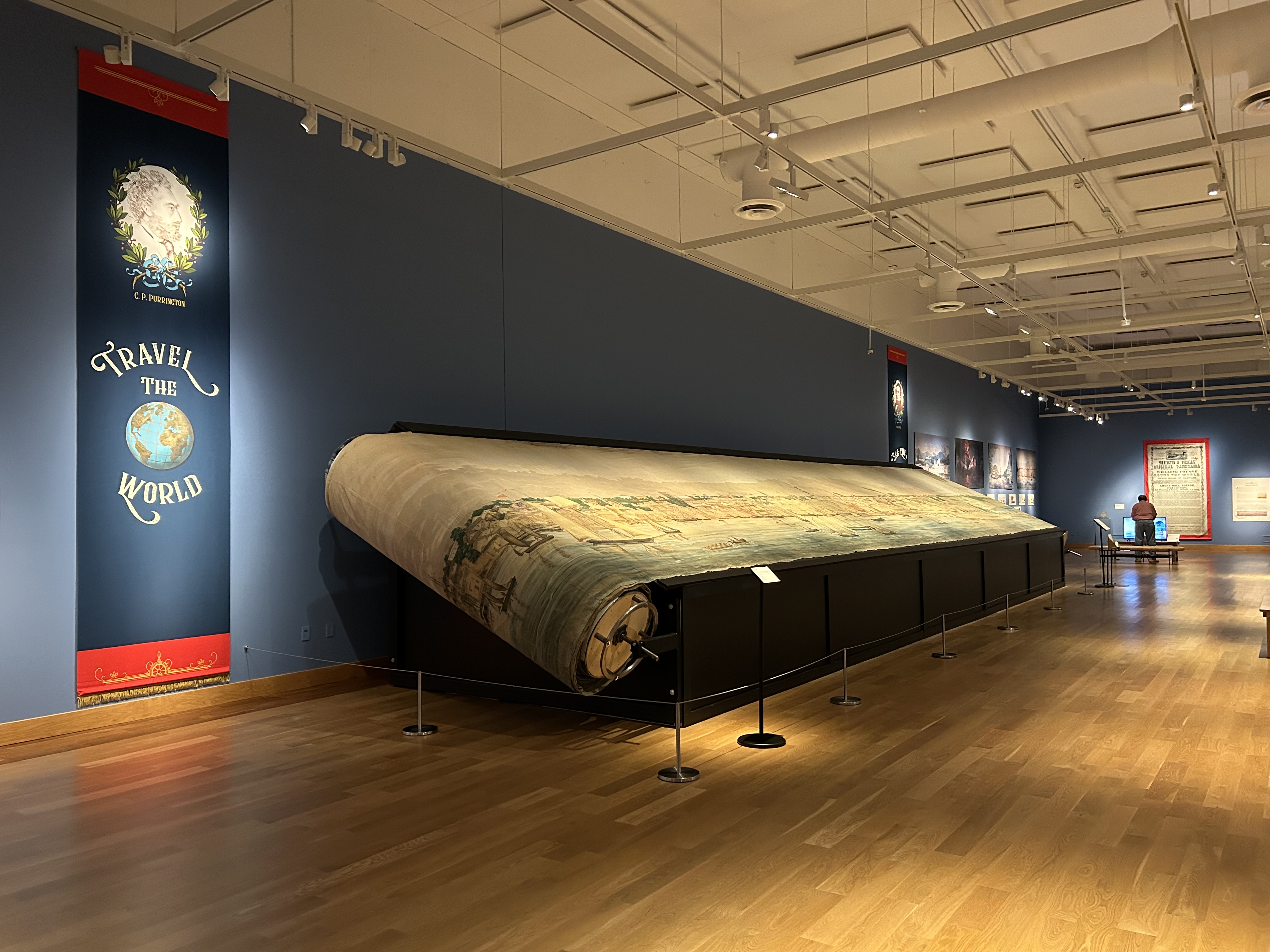
- 45 unique collection objects, including a 1,275-foot-long painting
- Design for an up-to 40’ long specially-designed display table with metal reel holders
- One digital interactive kiosk that links to ArcGIS content
- Over 50 interpretive panels that address artists, scenery, panoramas, and conservation
- 9 graphic banners
- One large free-standing hand-driven crank panorama
- One 34-minute digital film of the entire panorama with narration
- Museum staff/docent training
- Marketing collateral, graphic design elements, and video and text for PR
- Need to meet certain light-level, environmental, and security conditions
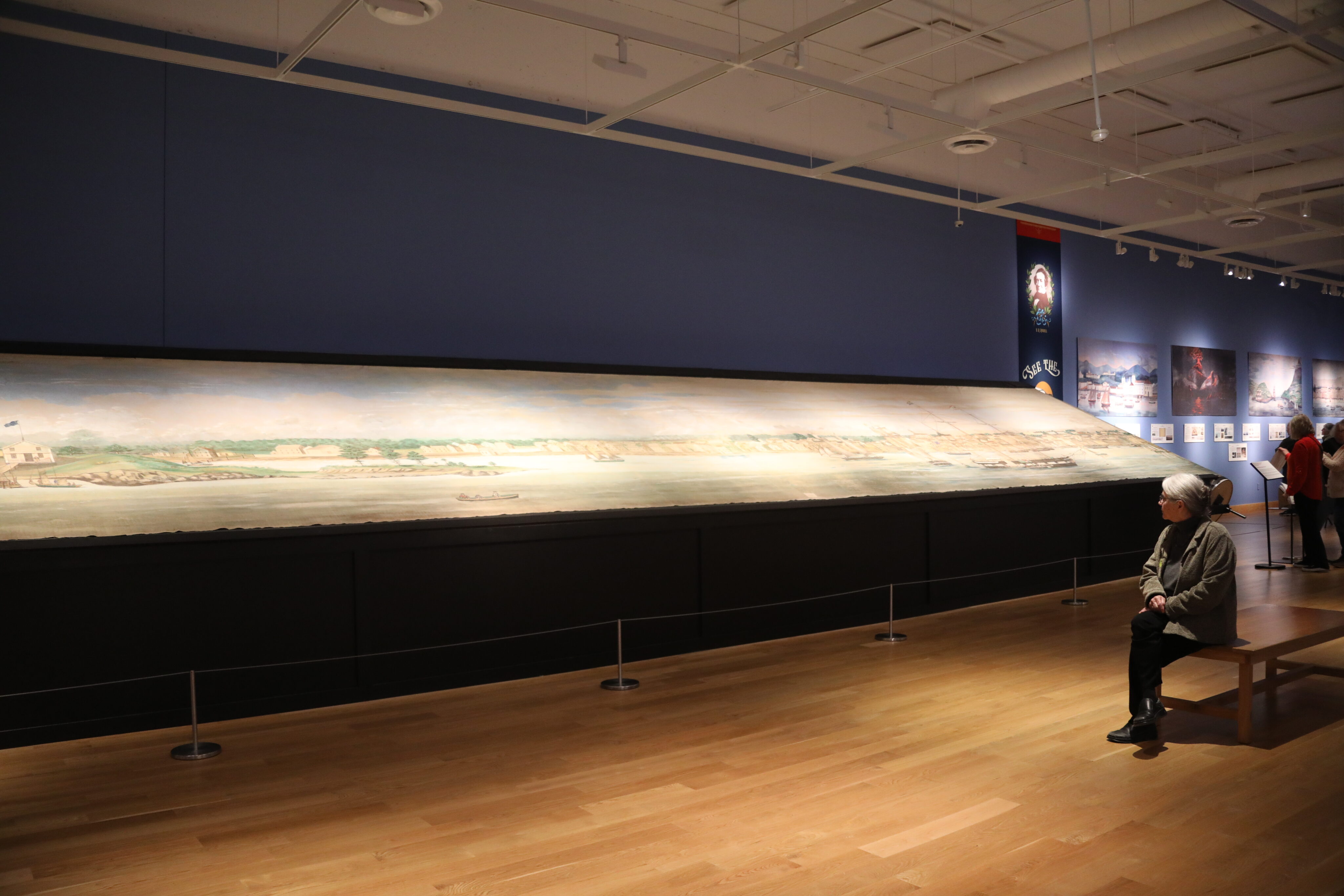
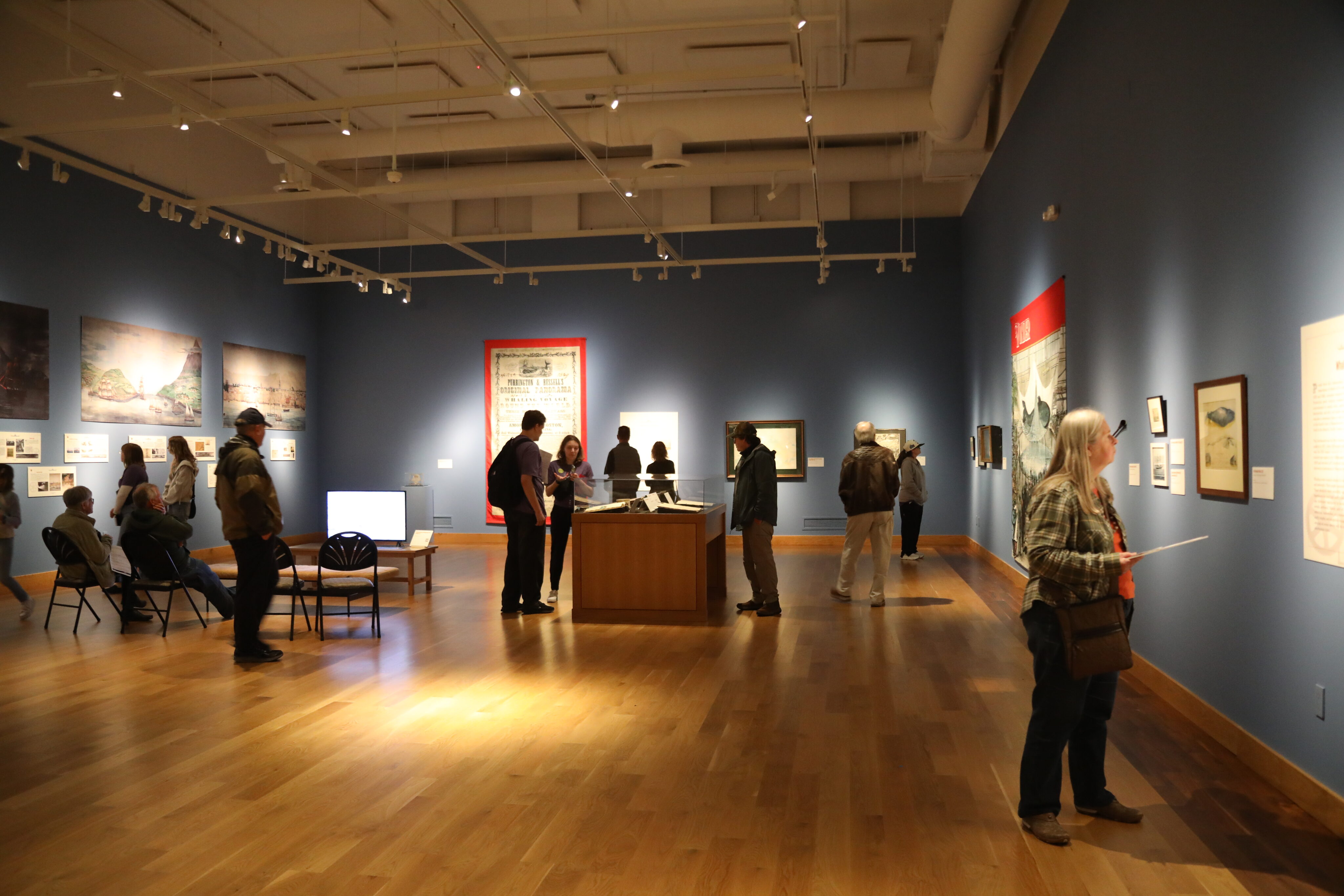
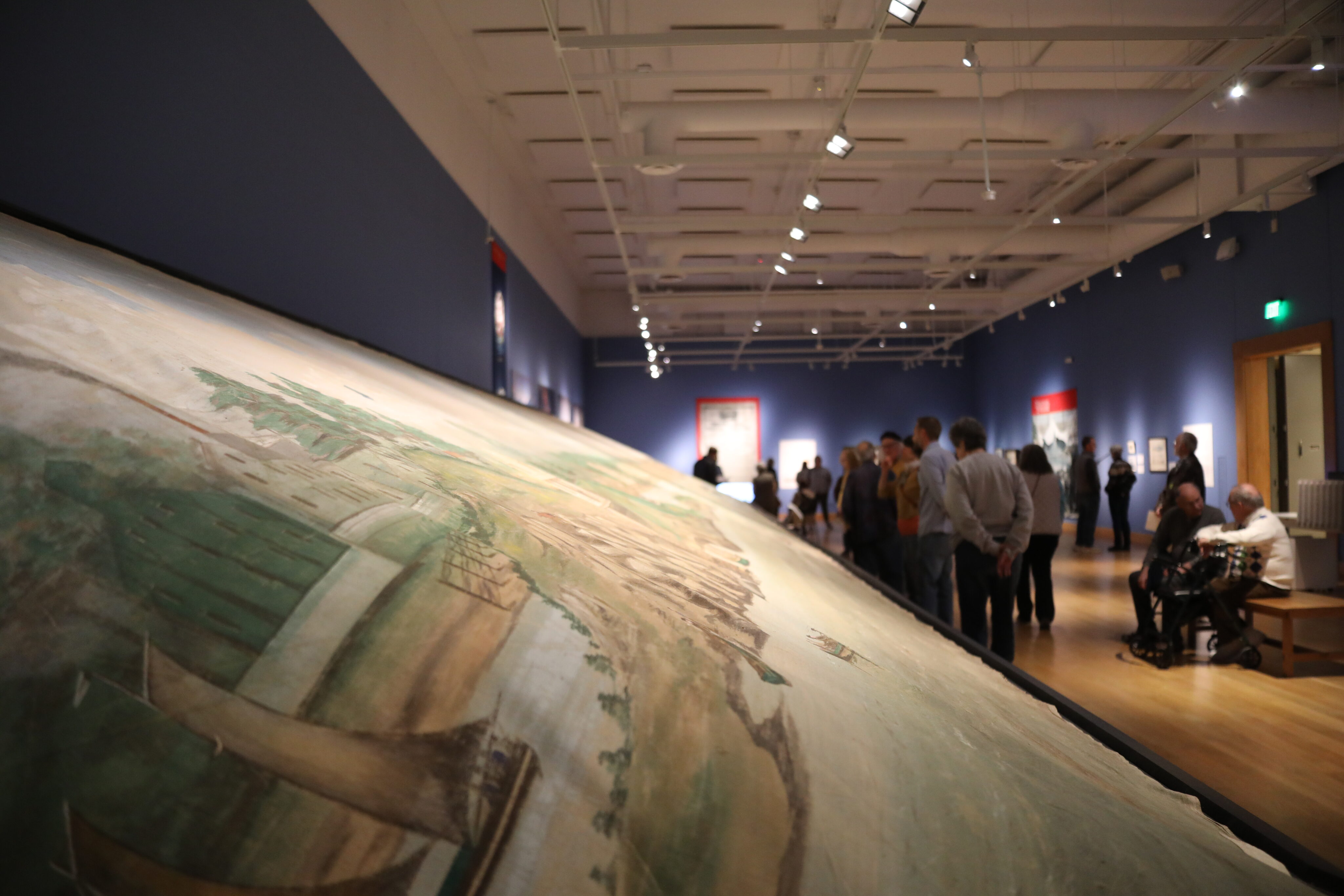
In 1848, New Bedford artists Benjamin Russell and Caleb Purrington completed the Grand Panorama of a Whaling Voyage ‘Round the World. Russell was an emerging artist and bankrupt whaling investor who had just spent 42 months (1841-1844) on a whaling voyage to the Indian Ocean and North Pacific. When he returned, Purrington joined him in creating this massive painting as a commercial enterprise for public entertainment. This 1,275-foot long and 8-foot-high painting travelled nationally transported by train, ship, and wagon to Boston, New York and as far West as St. Louis, where it was displayed as a moving theatrical in public halls for paying audiences. In an era before the age of cinema, the Panorama is a rare surviving example of a commercial entertainment, designed to stun viewers with tales of adventure and life on the high seas. This era’s popular entertainment was dominated by illusion and spectacle, the exotic and the unknown. This was the age of the traveling circus, public theater, pantomimes, the curiosities sideshow, and the birth of grand World’s Fairs. The Panorama, which is owned and preserved by the New Bedford Whaling Museum, depicts in fascinating detail the voyage of a typical mid-19th century New Bedford whaleship on its journey ‘round the world’ in pursuit of whales. Along the way, it depicts scenes (some from Russell’s experience, some historic, and some imagined) in such far-flung places as the Azores, Cape Verde, Brazil, Tahiti, and Hawaii. People, places, vessels, wildlife, and events spring to life as they were seen from a 19th-century perspective.
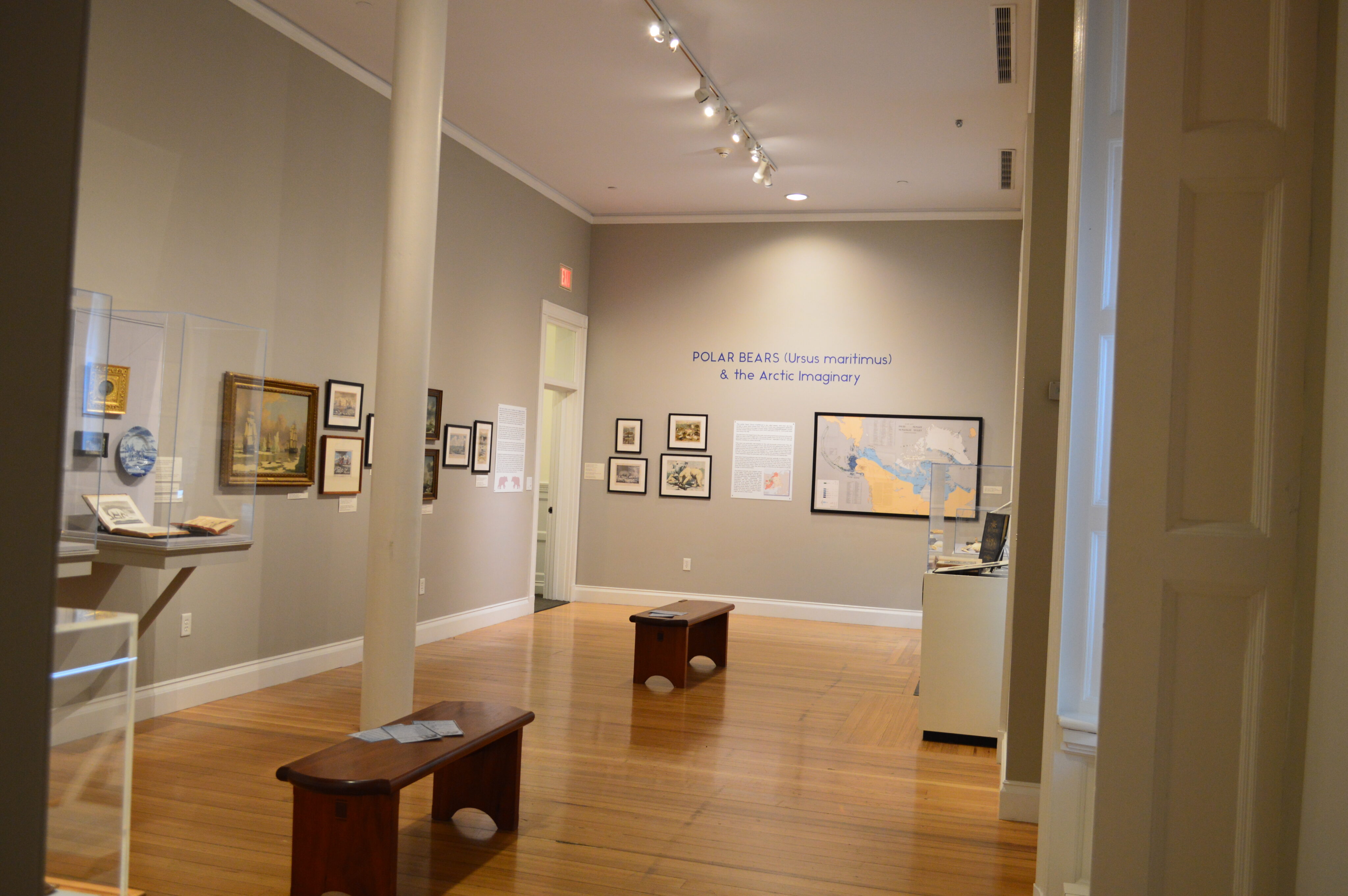
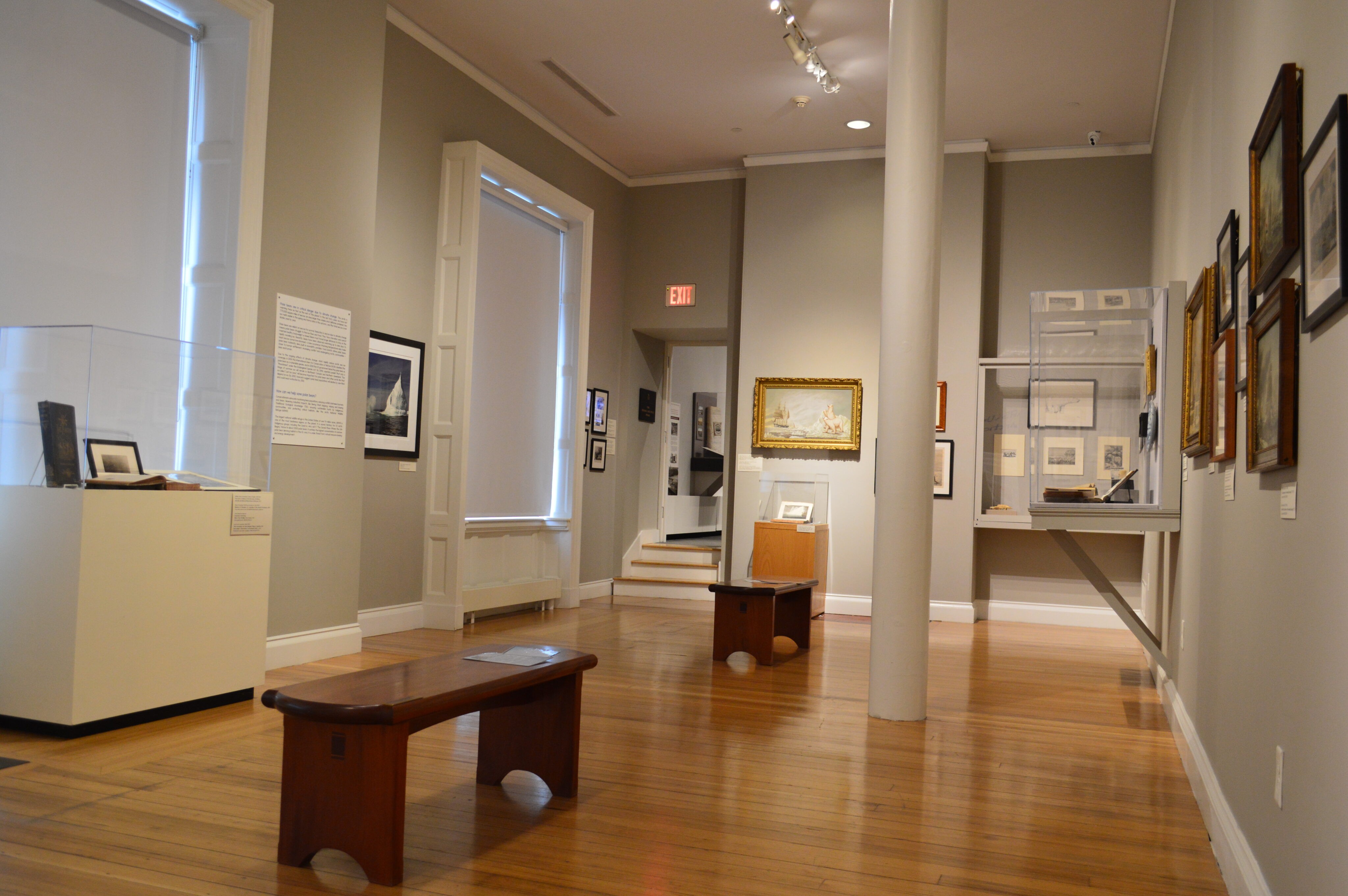
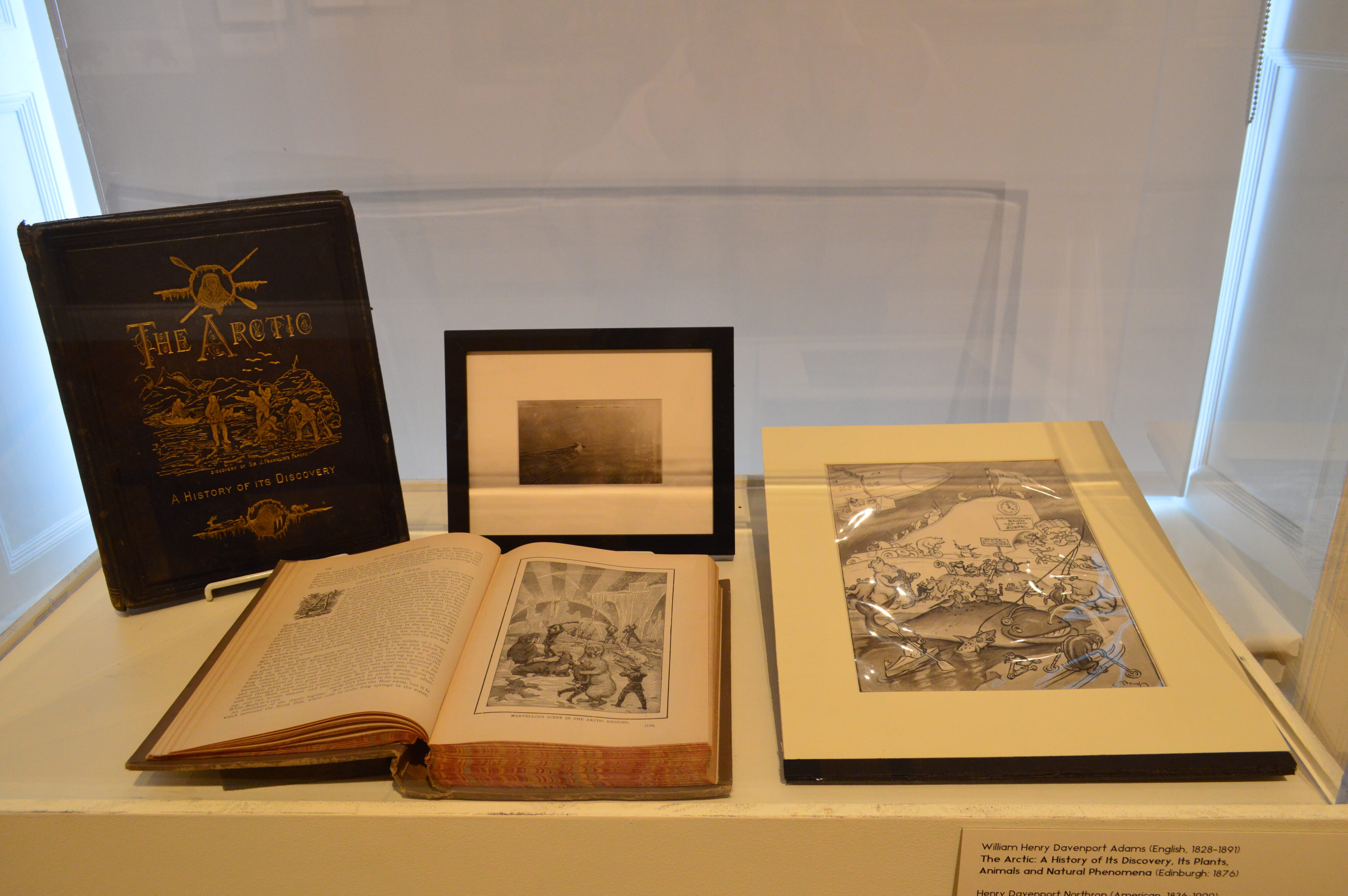
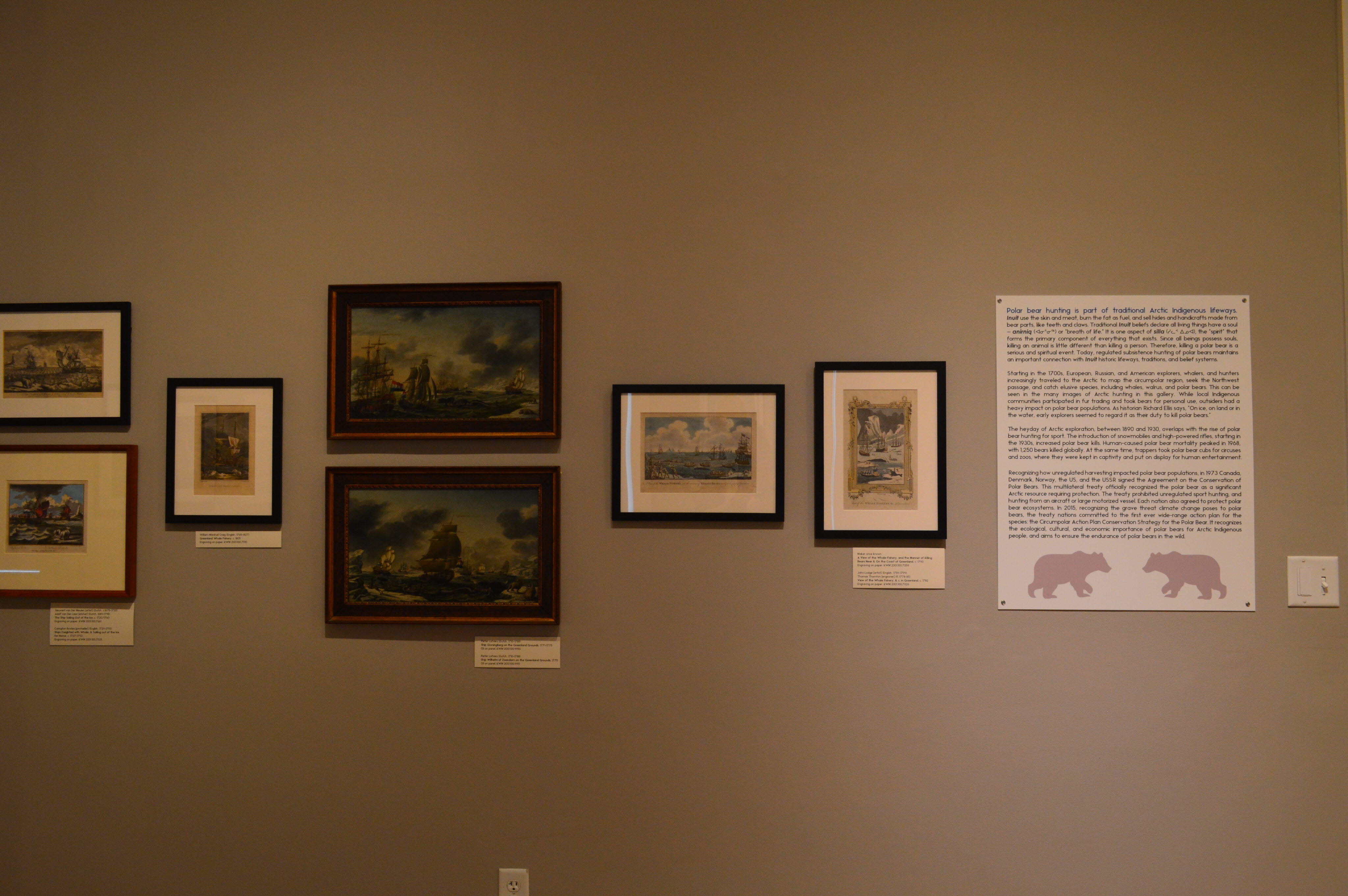
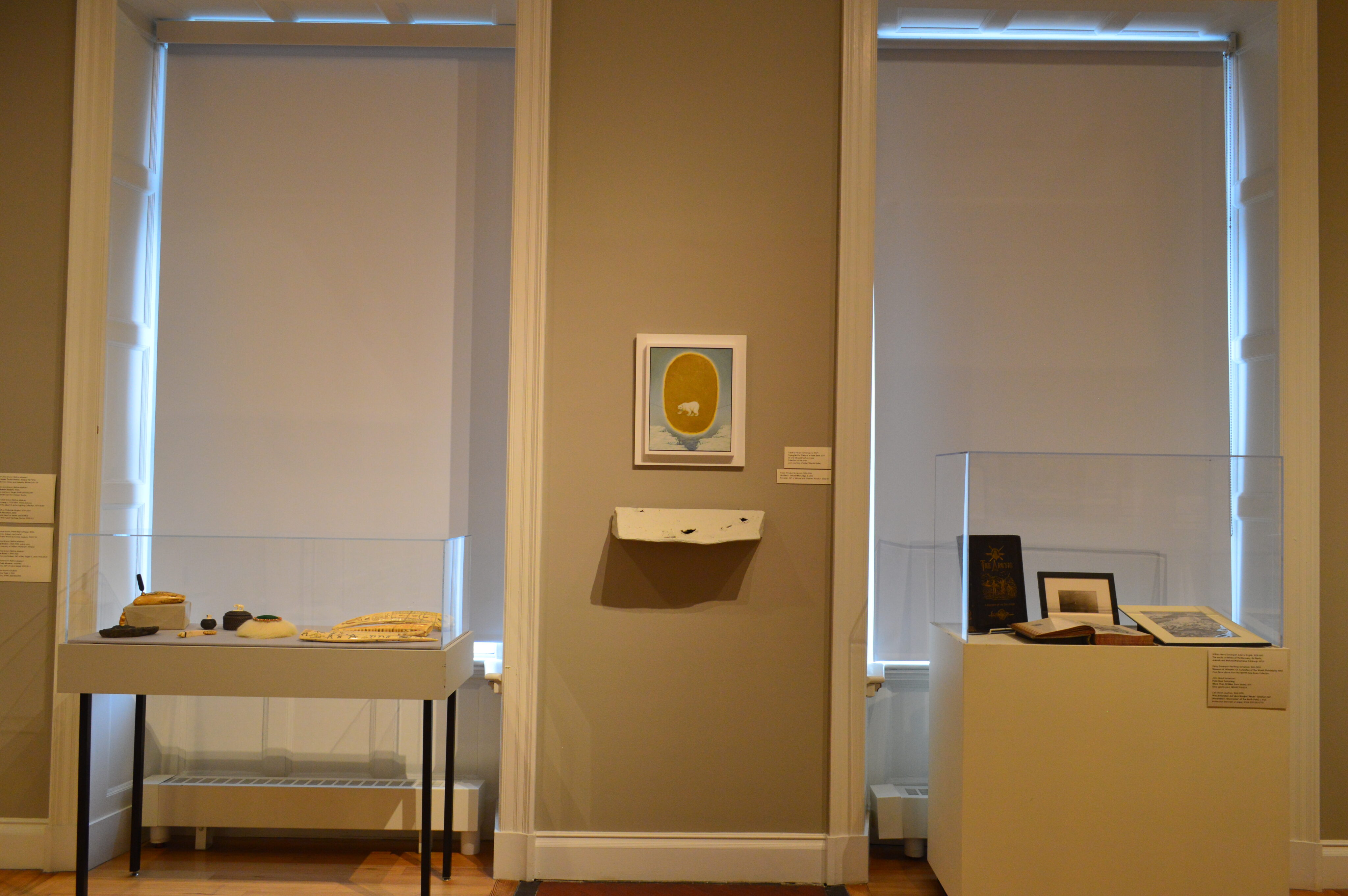
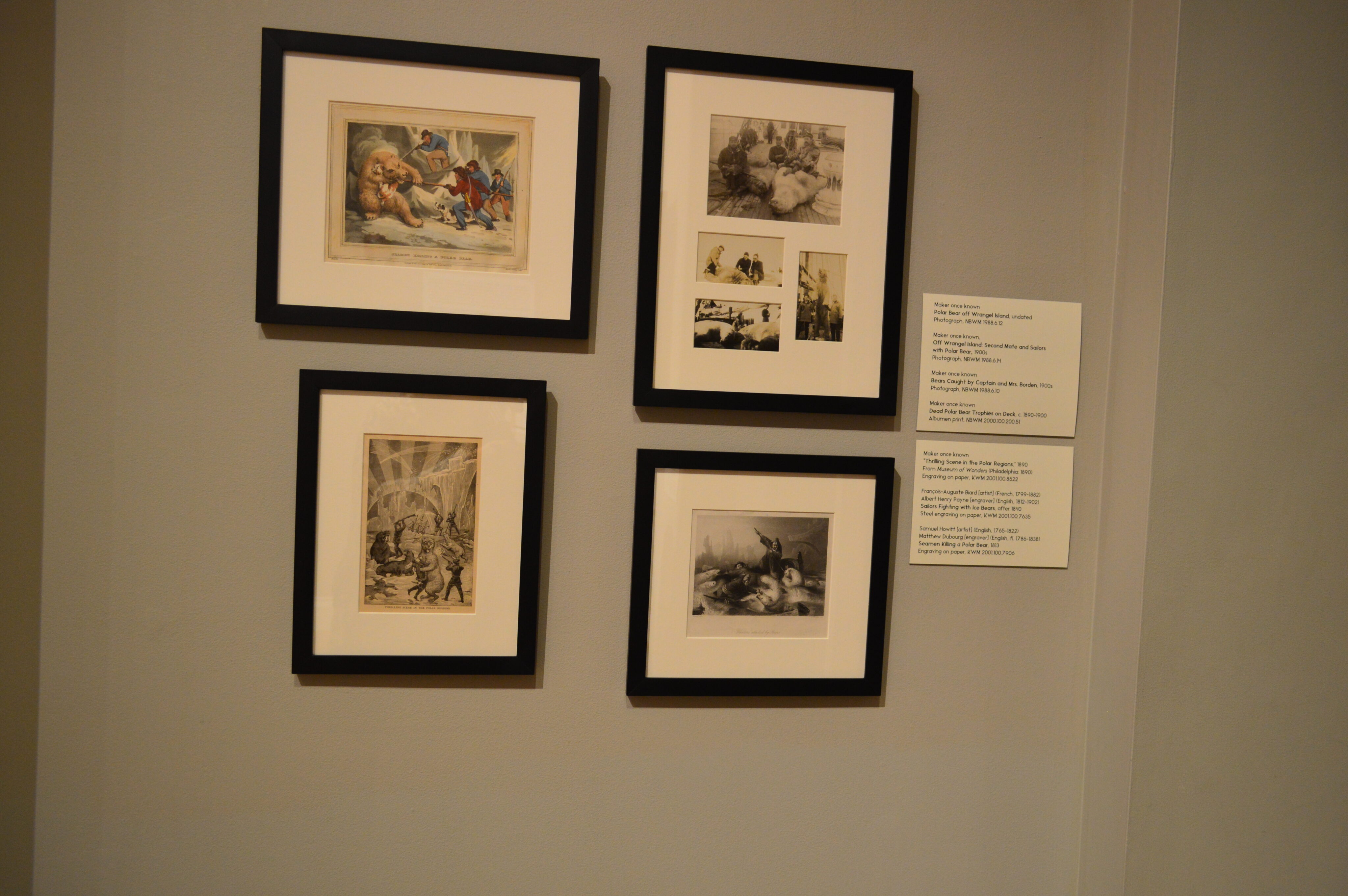
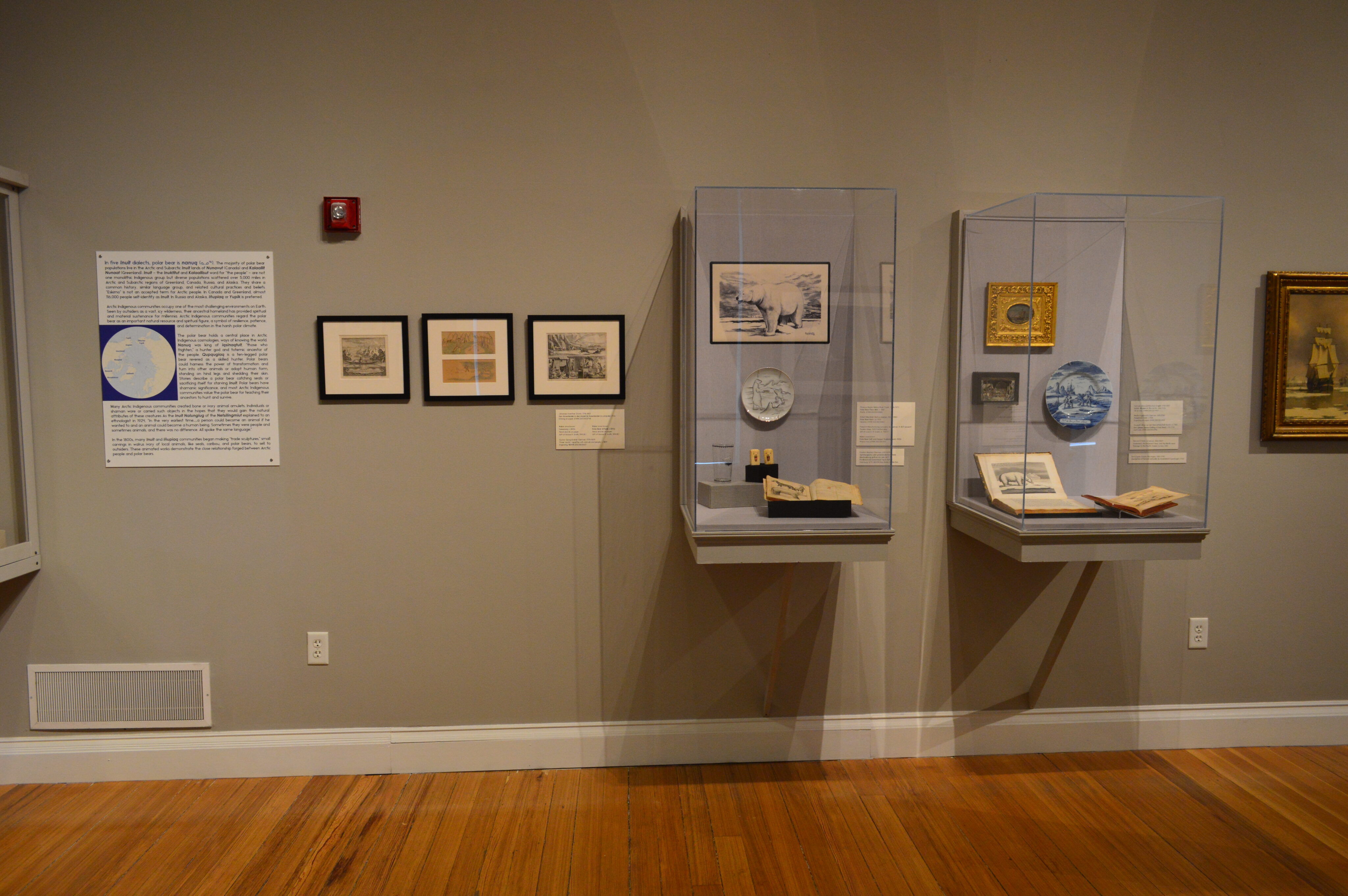
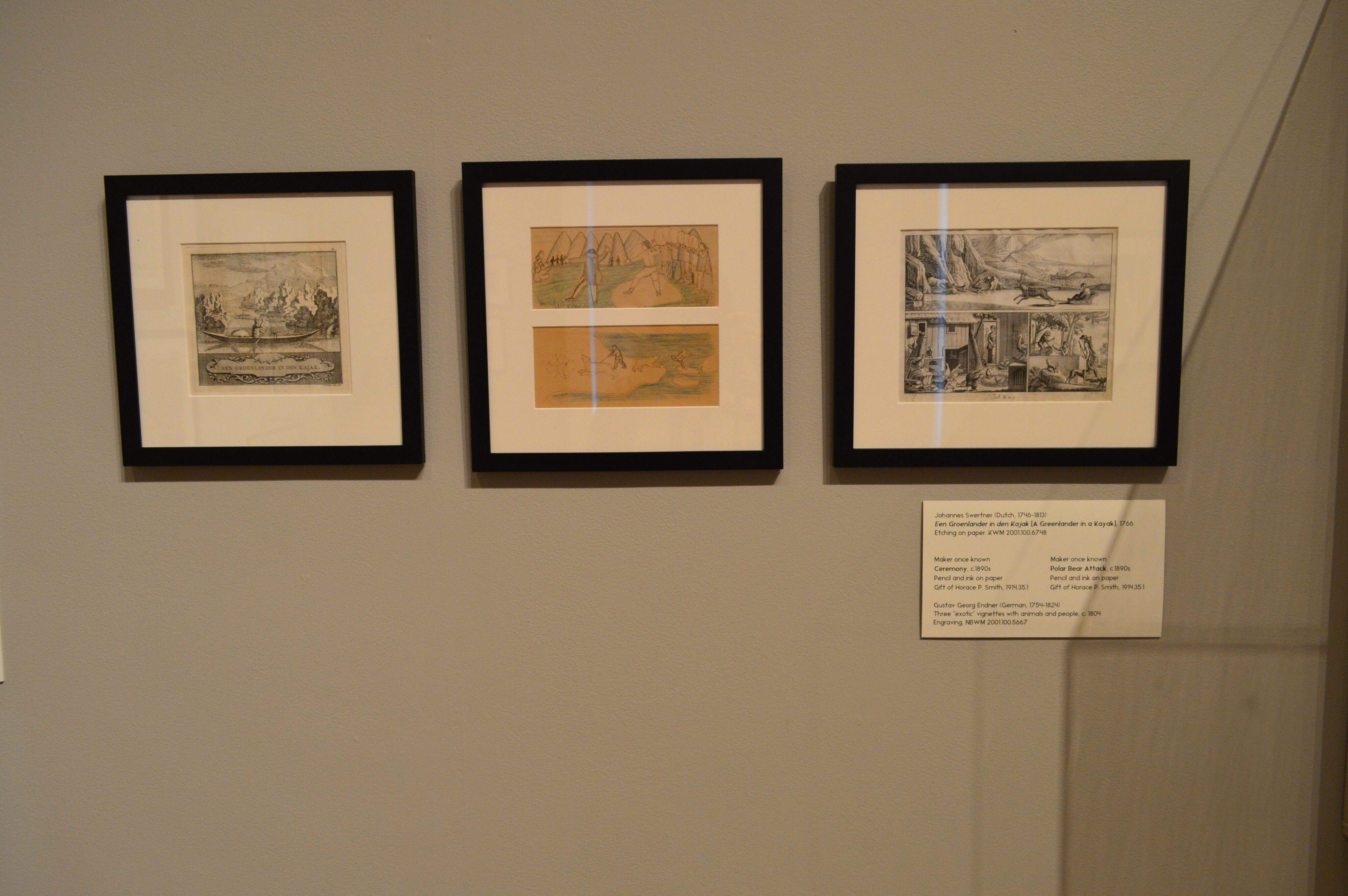
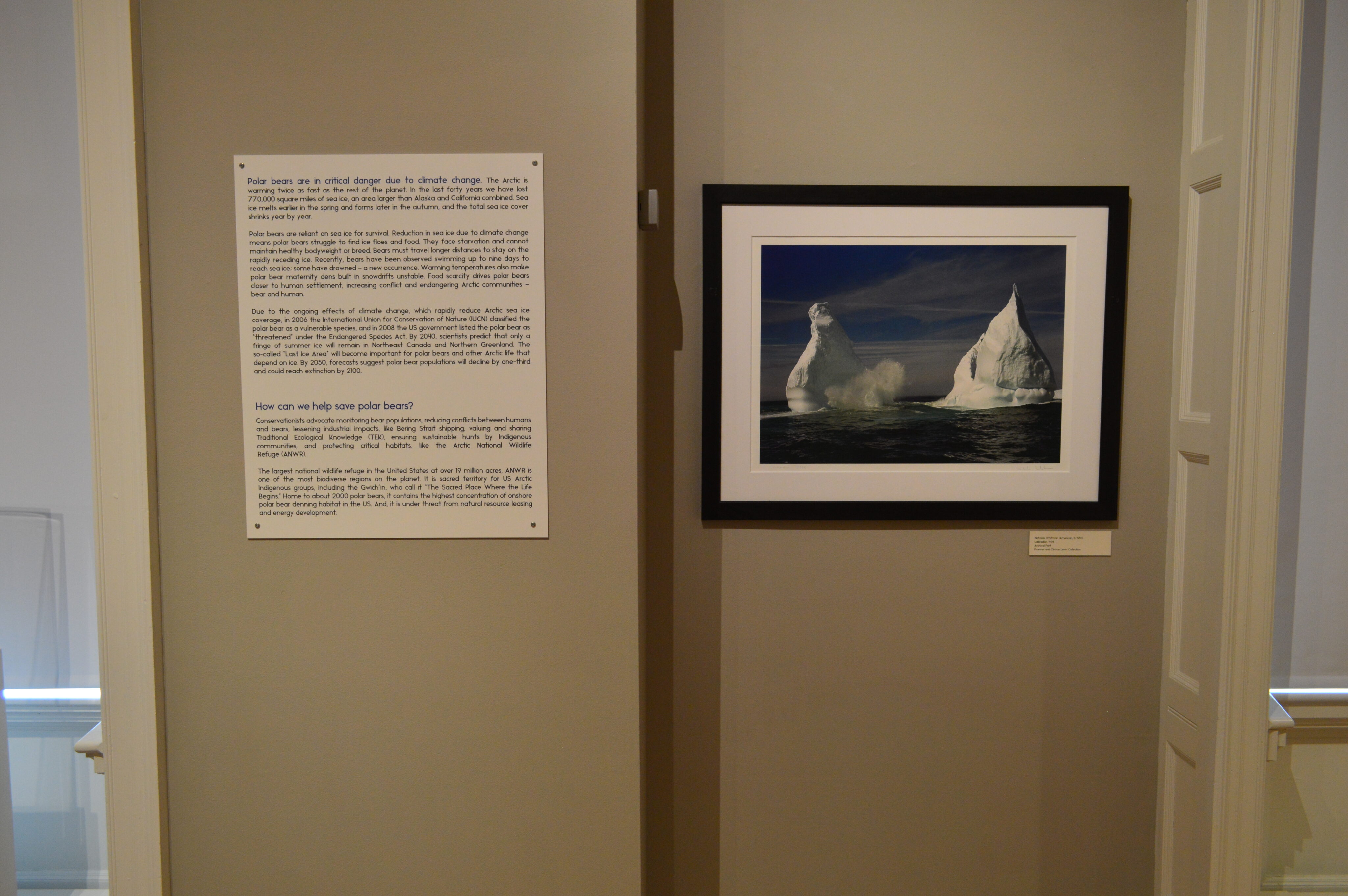
Polar Bears (Ursus maritimus) and the Arctic Imaginary
Space requirements: 1500 square foot gallery
- Over 60 unique collection objects, including prints, paintings, and decorative arts
- 4 thematic didactic panels, and individual object labels
- Teacher resources and in-gallery activities
- Museum staff/docent training
- Marketing collateral, graphic design elements, and video and text for PR
- Need to meet certain light-level, environmental, and security conditions



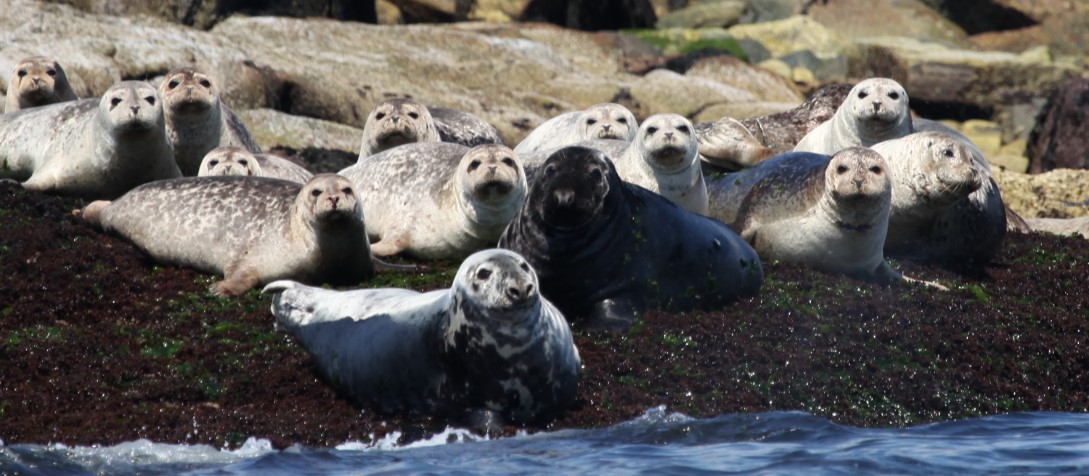
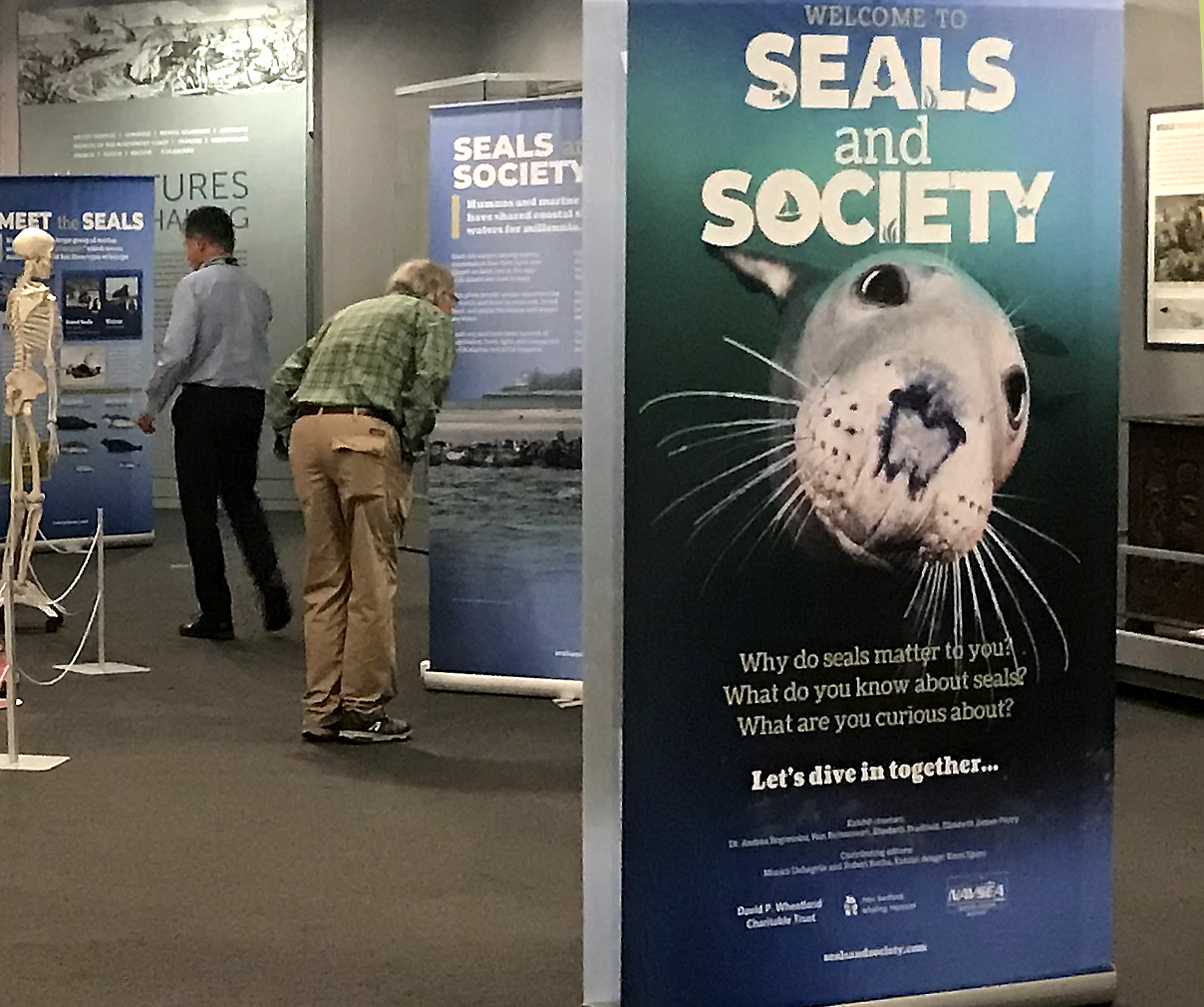
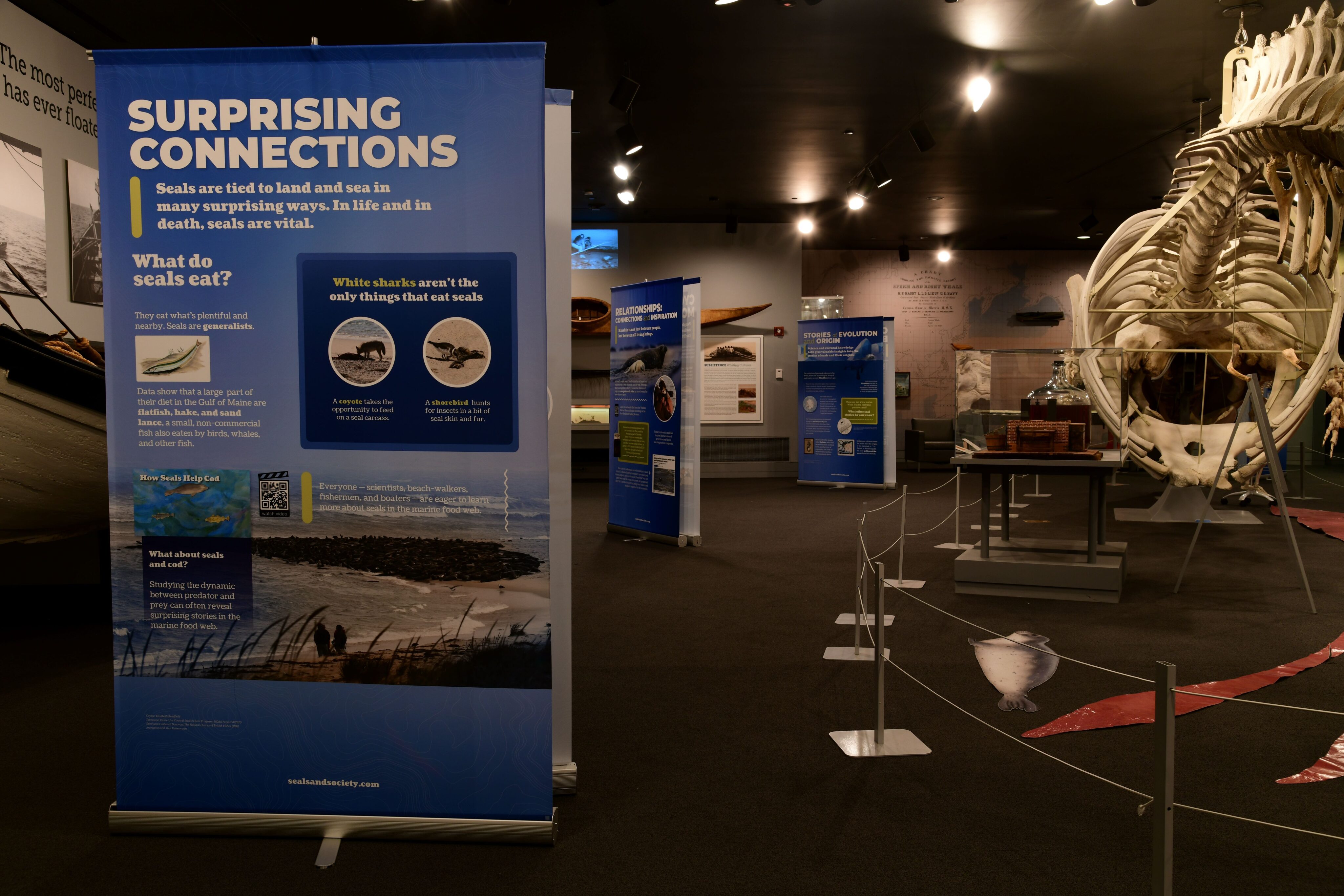
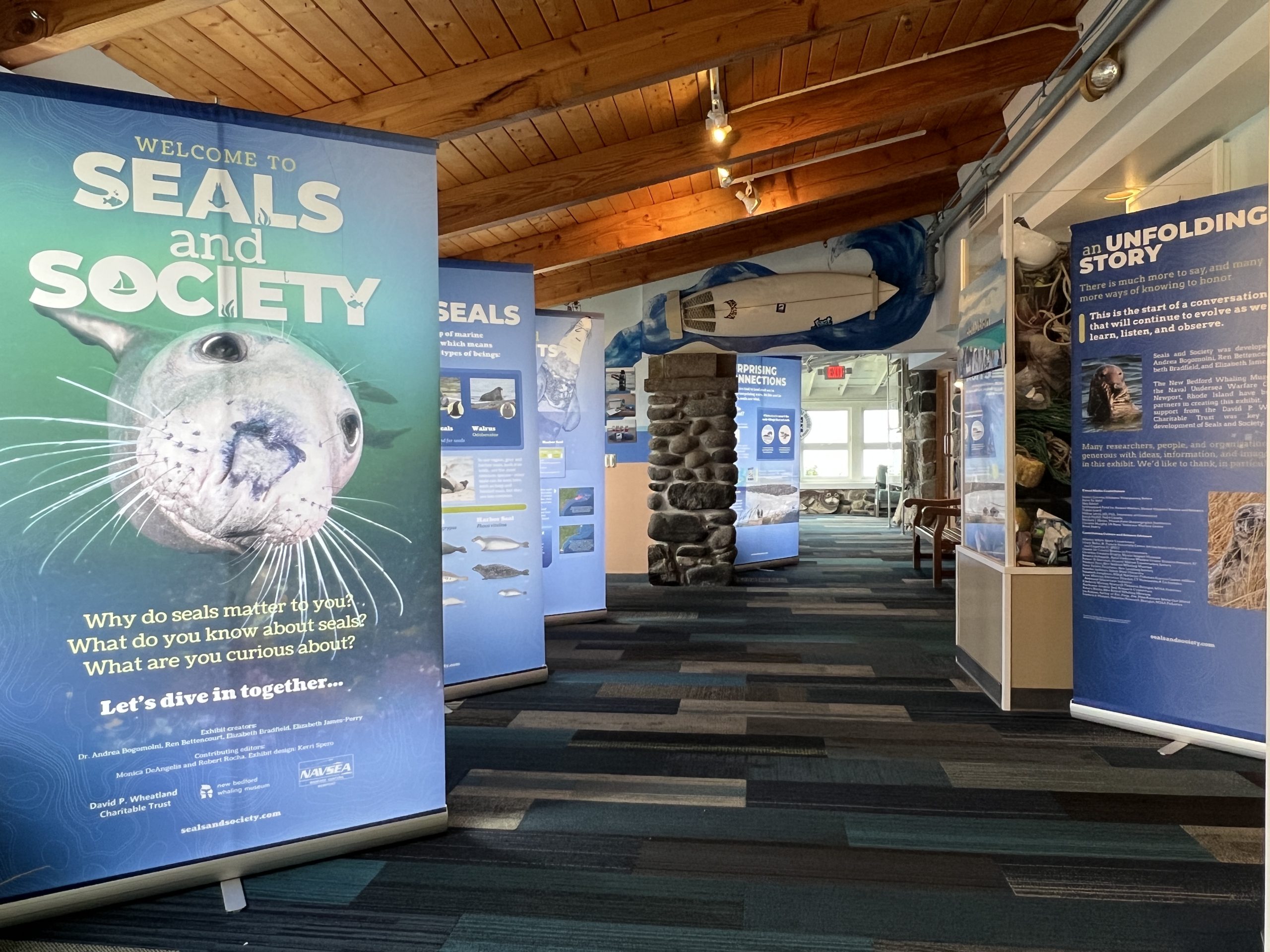
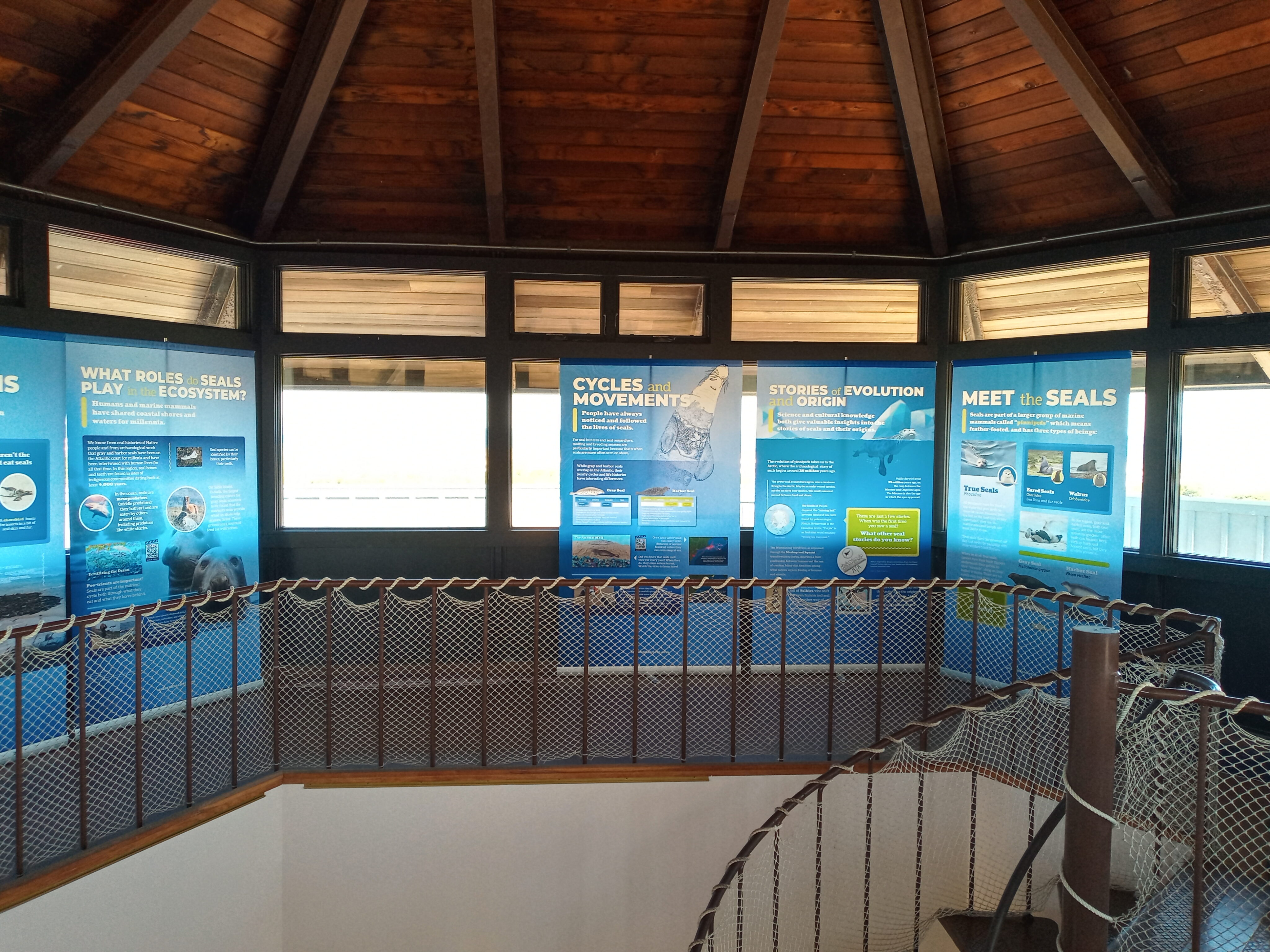
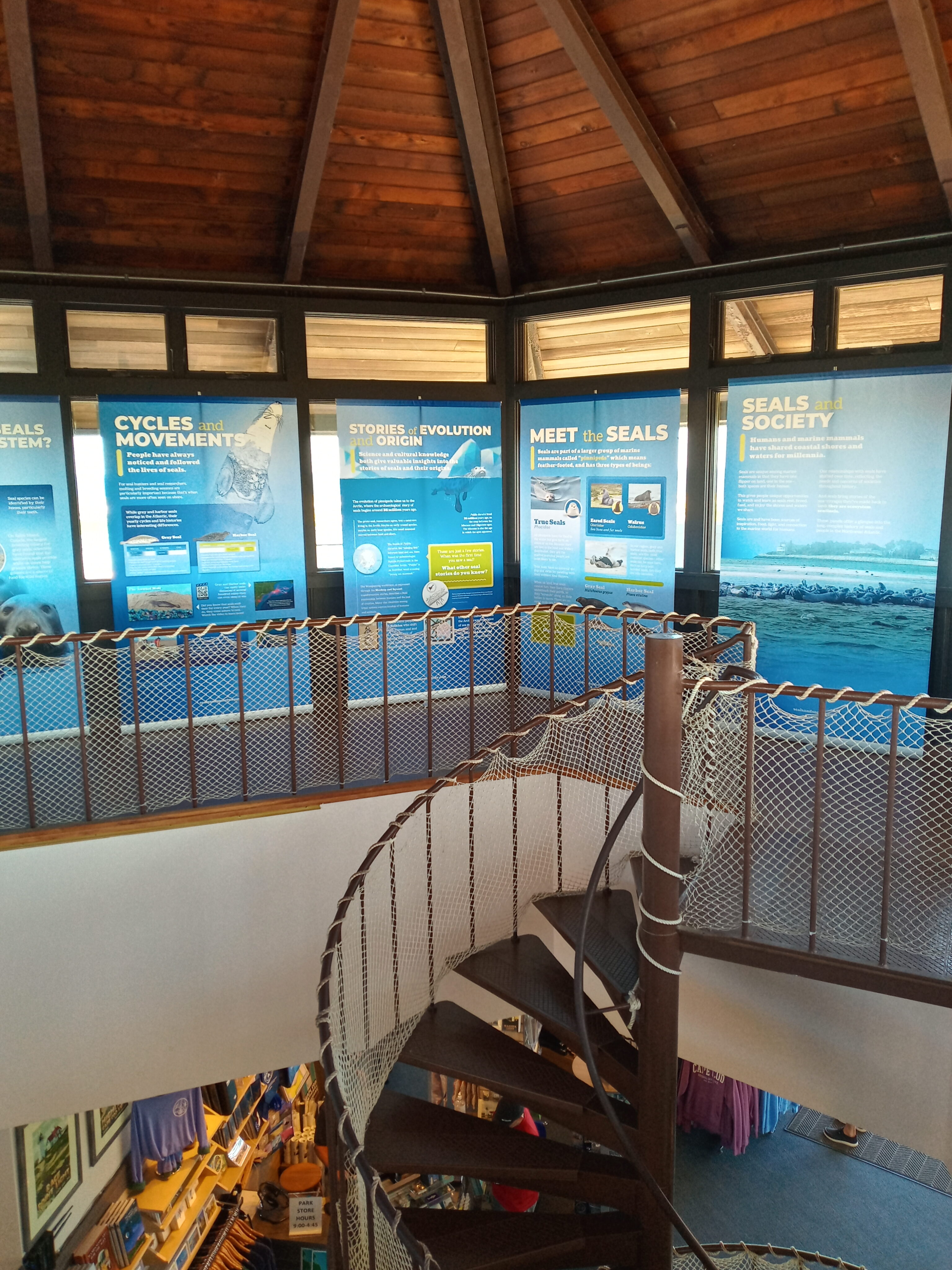
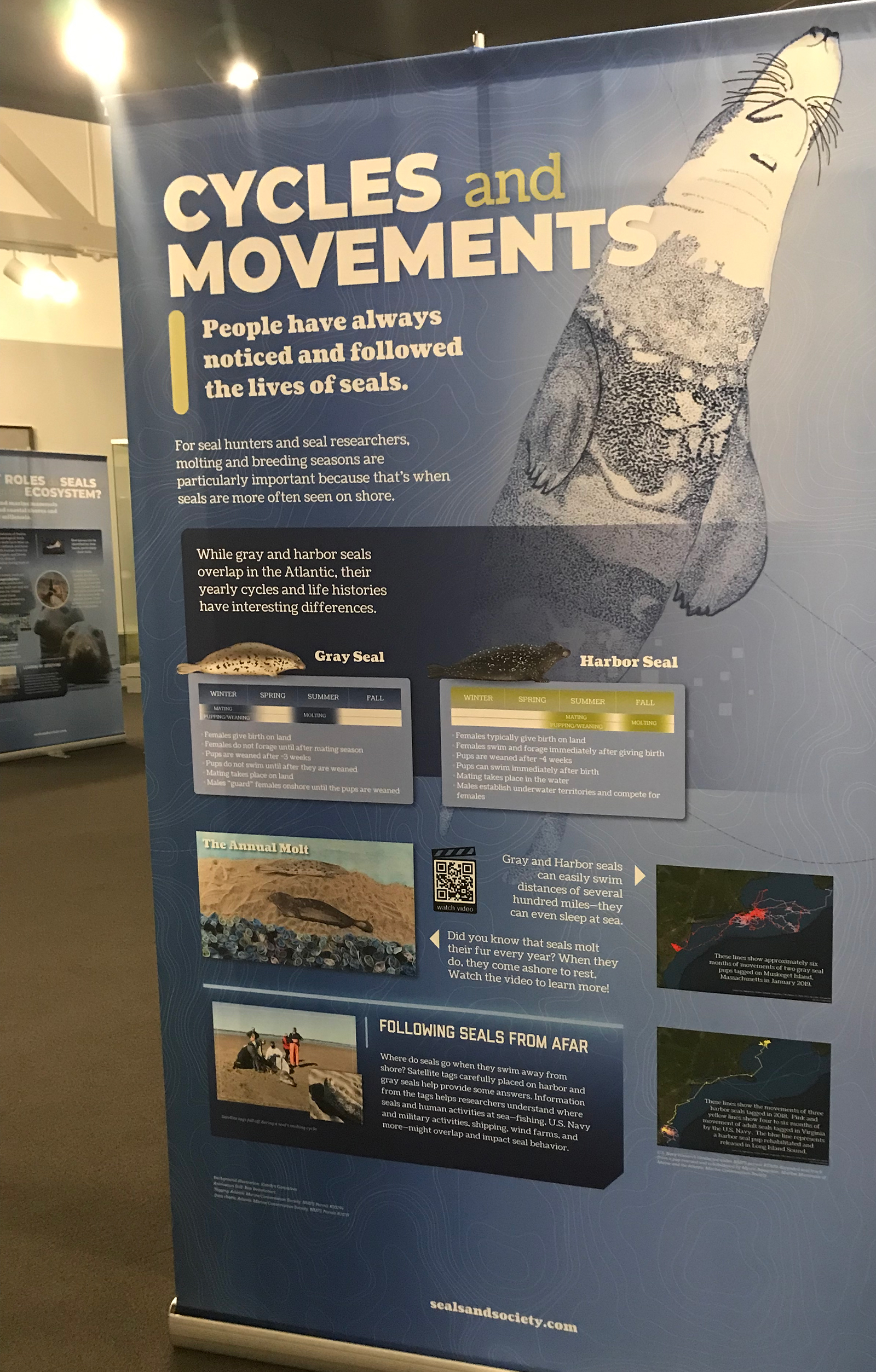
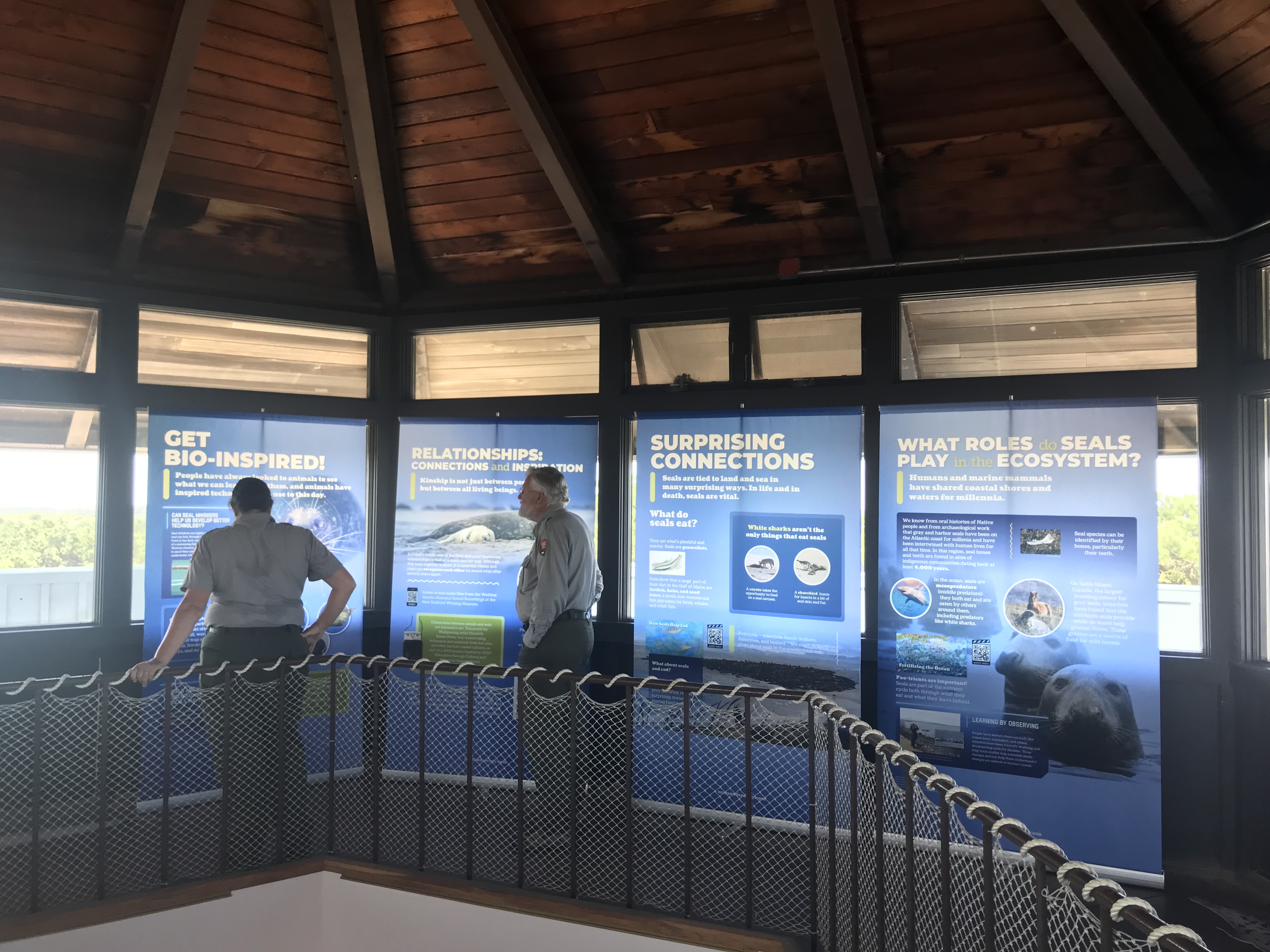
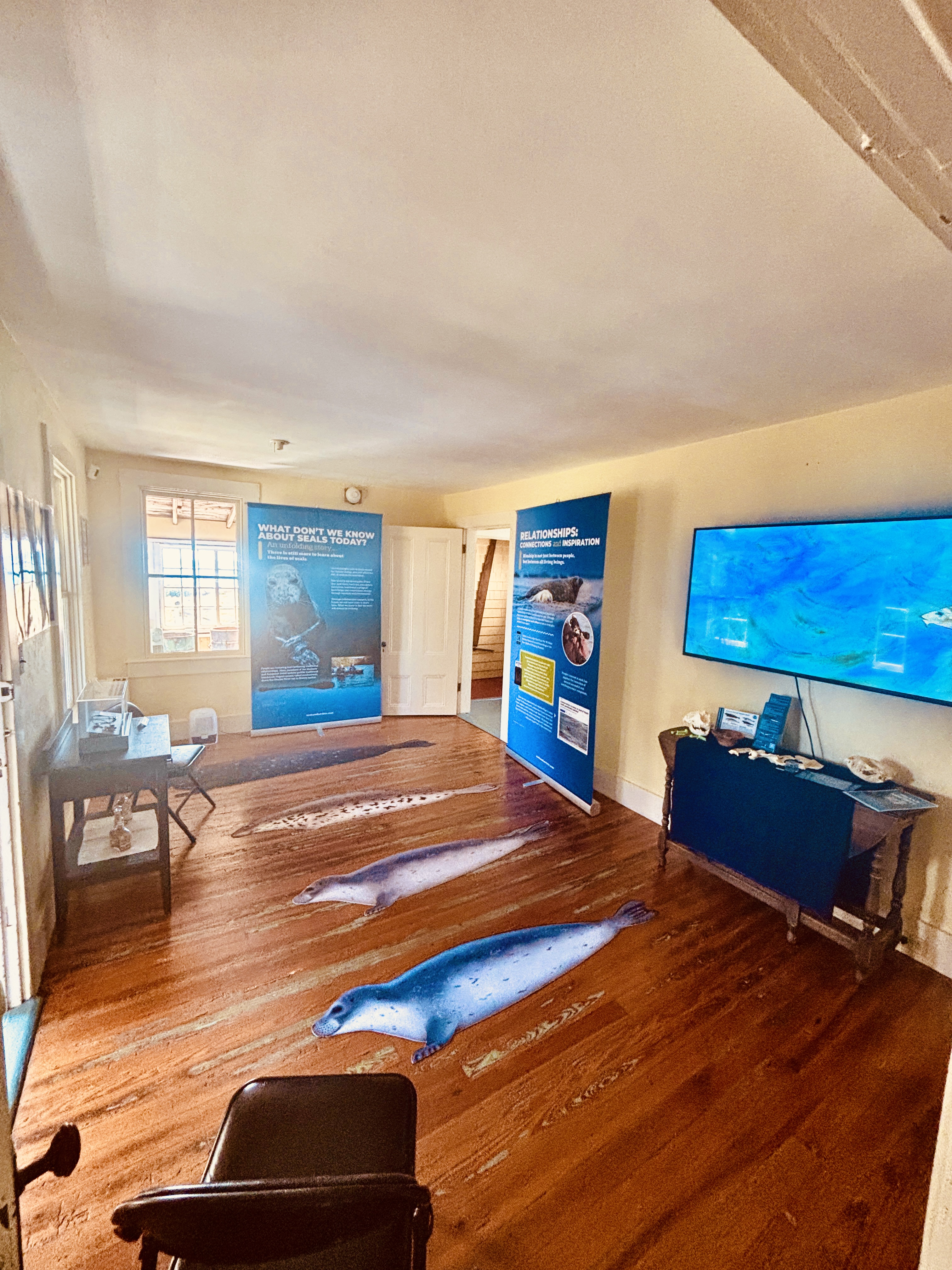
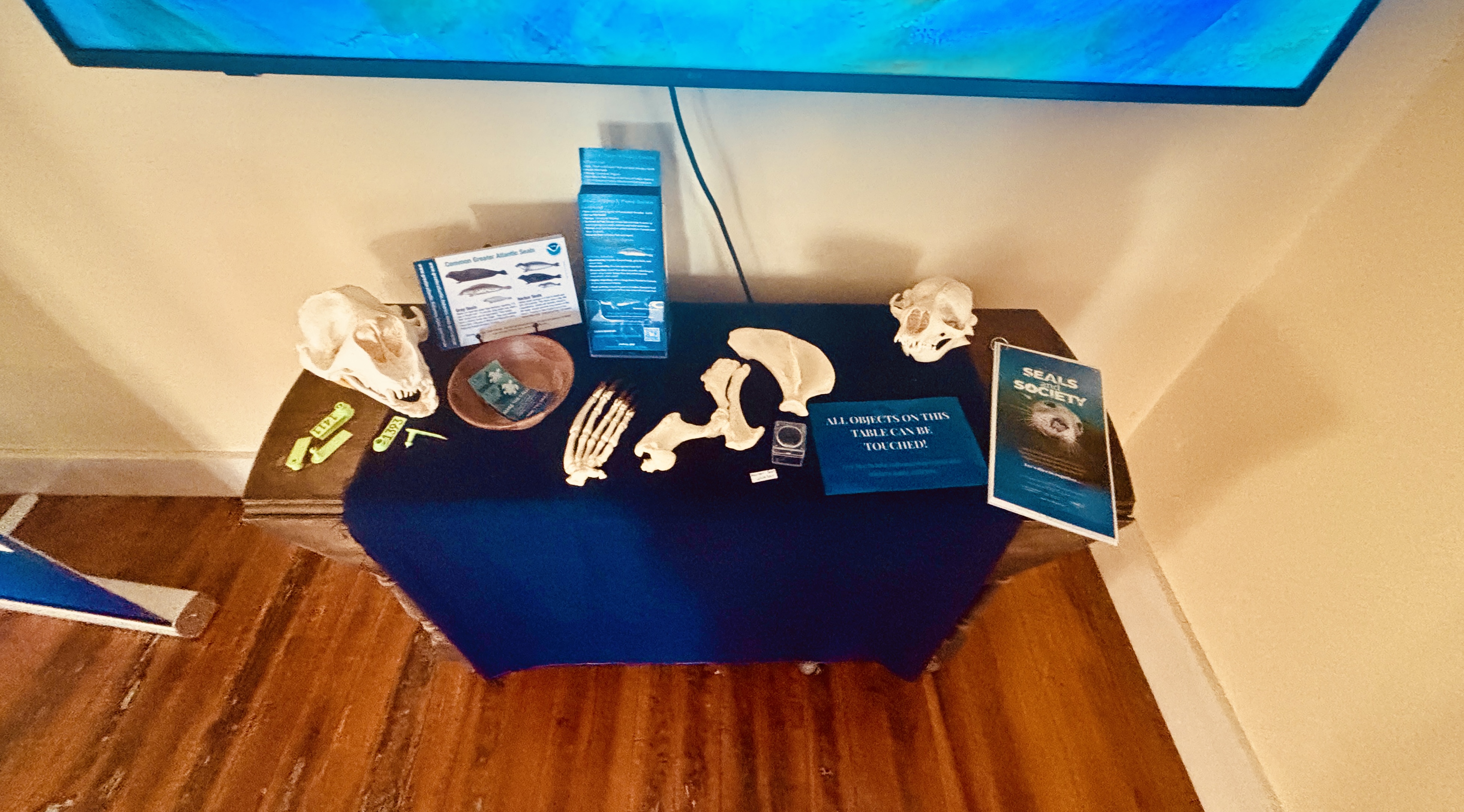
Seals and Society
Space requirements: ca. 1,000 square foot gallery
- 13 collapsible vinyl panels with aluminum display frames
- Four full-color floor mats of seals
- Educational resource kit with scientific specimens, puzzles, signage, and games
- 1 screen with video
- Additional optional exhibition materials
- Museum staff/docent training
- Marketing collateral, graphic design elements, and video and text for PR
- No light-level, environmental, and security conditions