SAILOR’S VALENTINES: Maritime Art from the Heart
New Bedford Whaling Museum
June 19 – November 8, 2026
Upper-level galleries
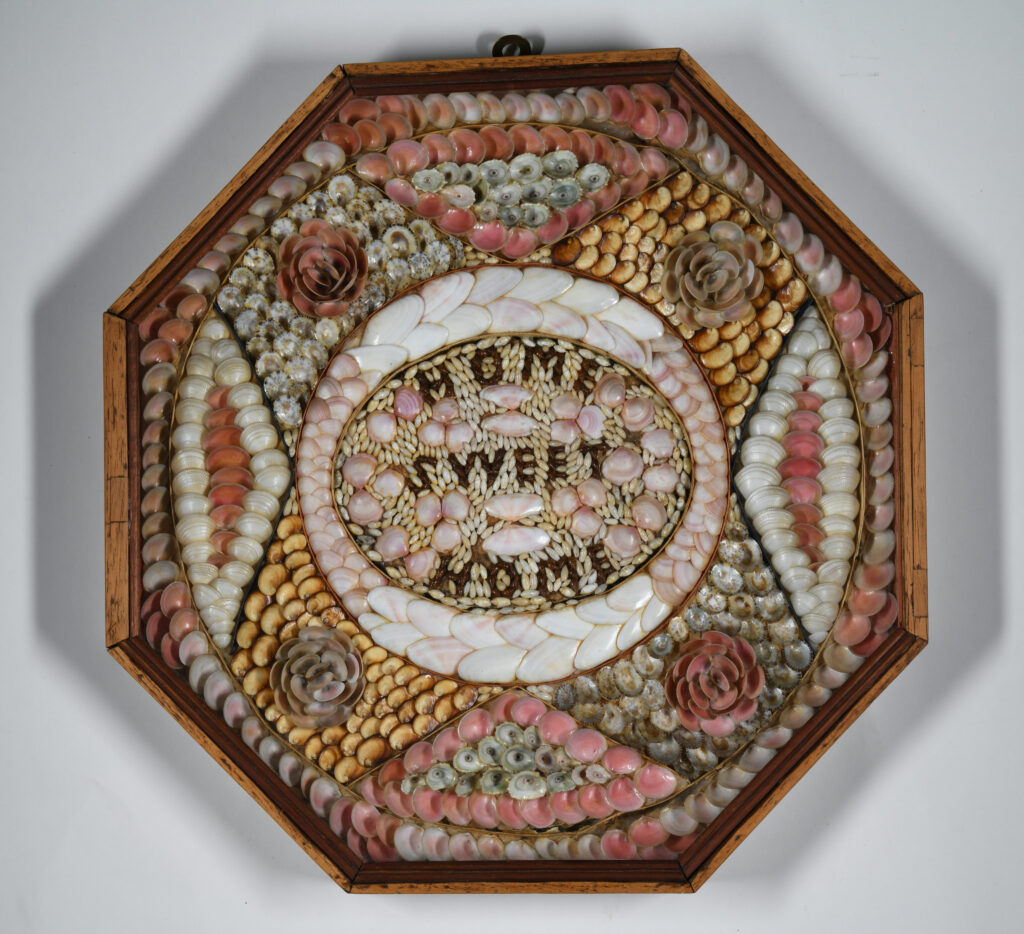
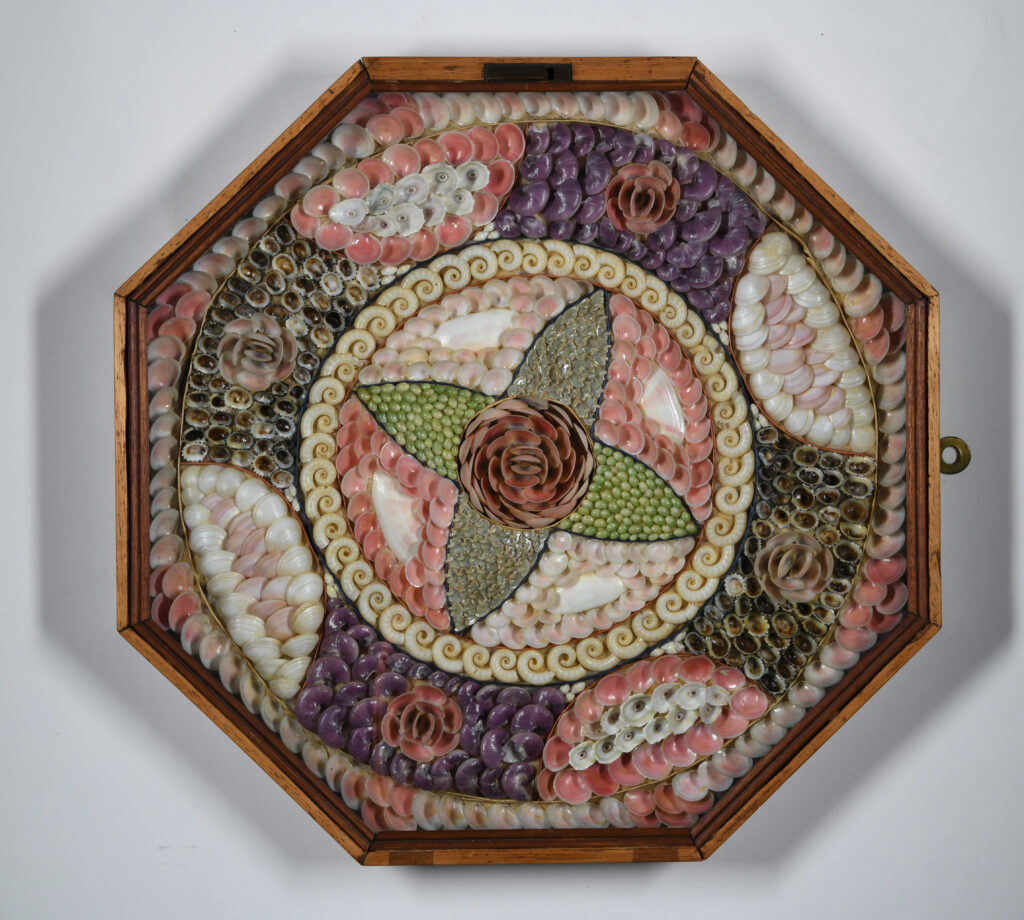
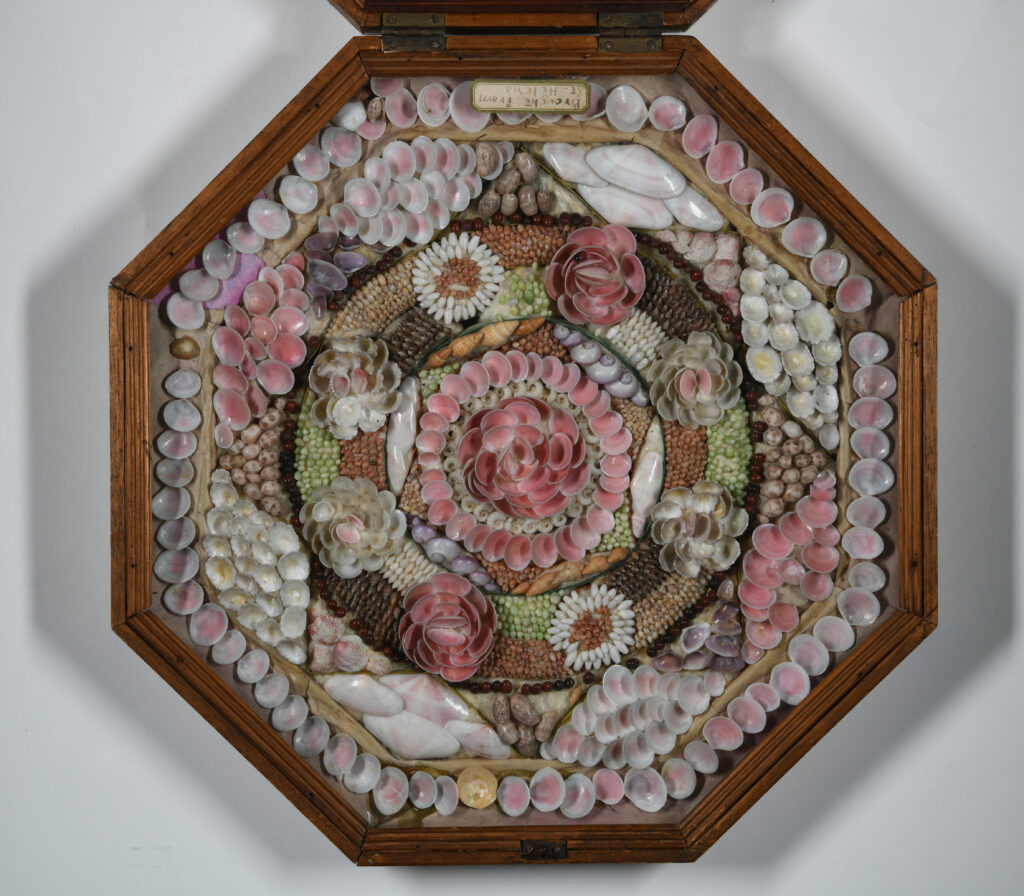
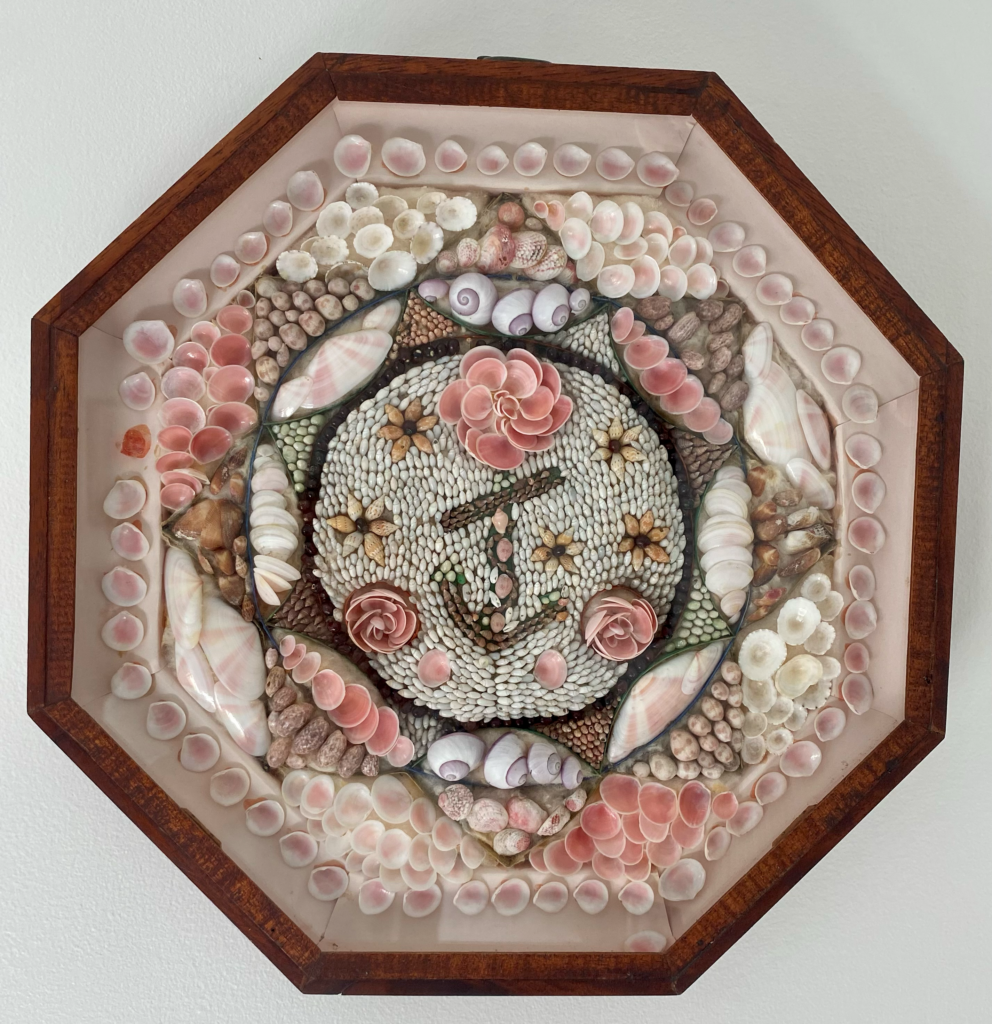
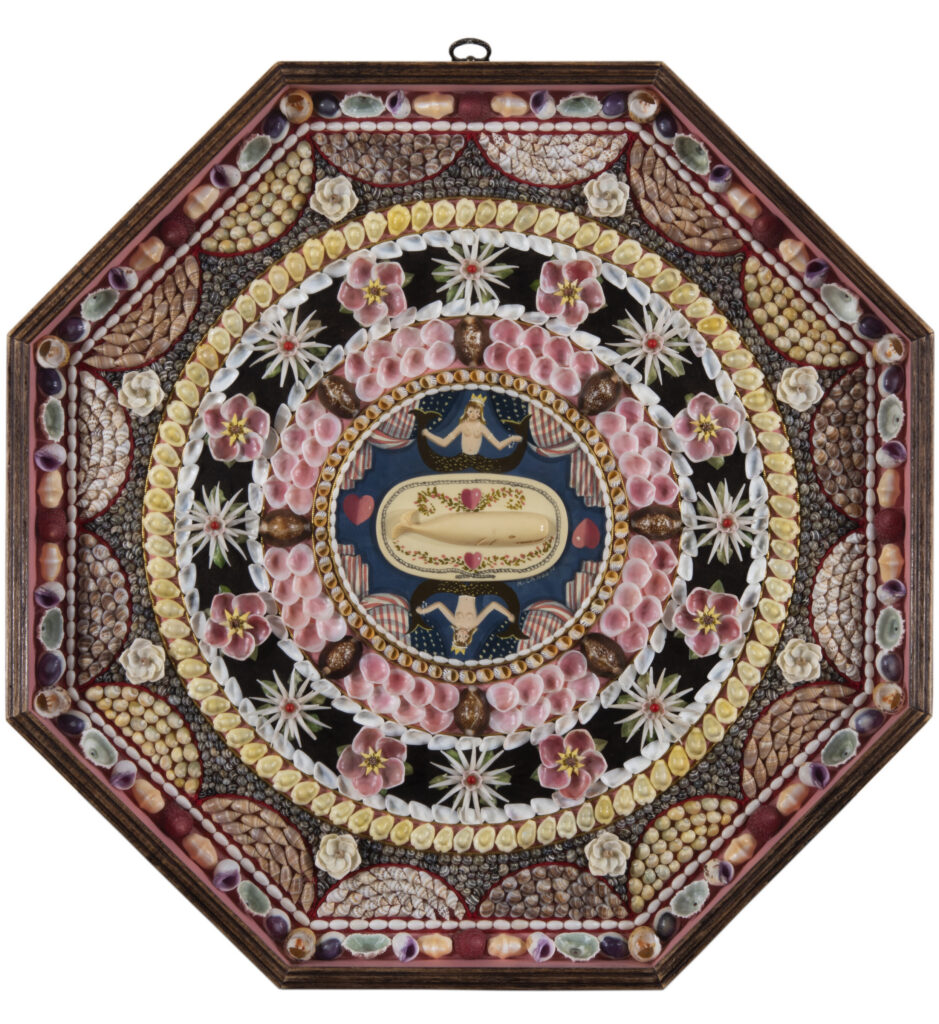
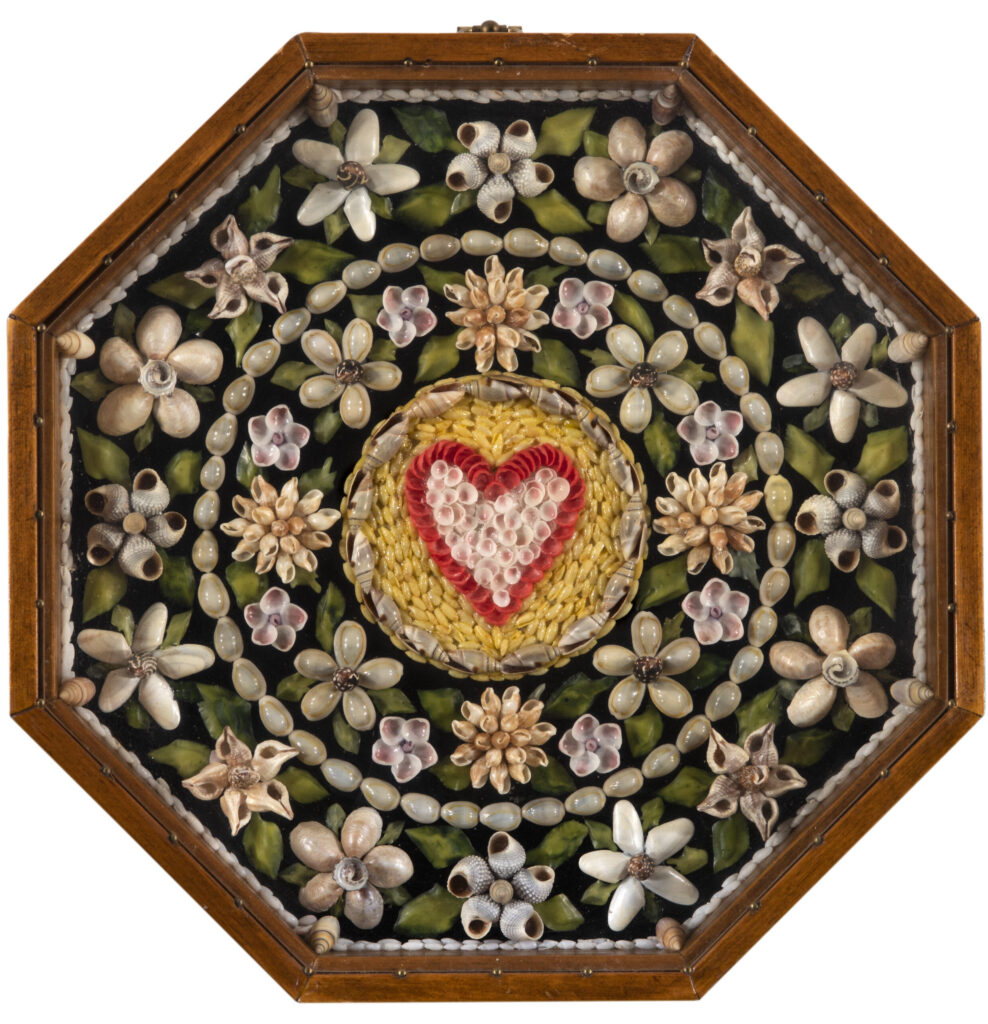
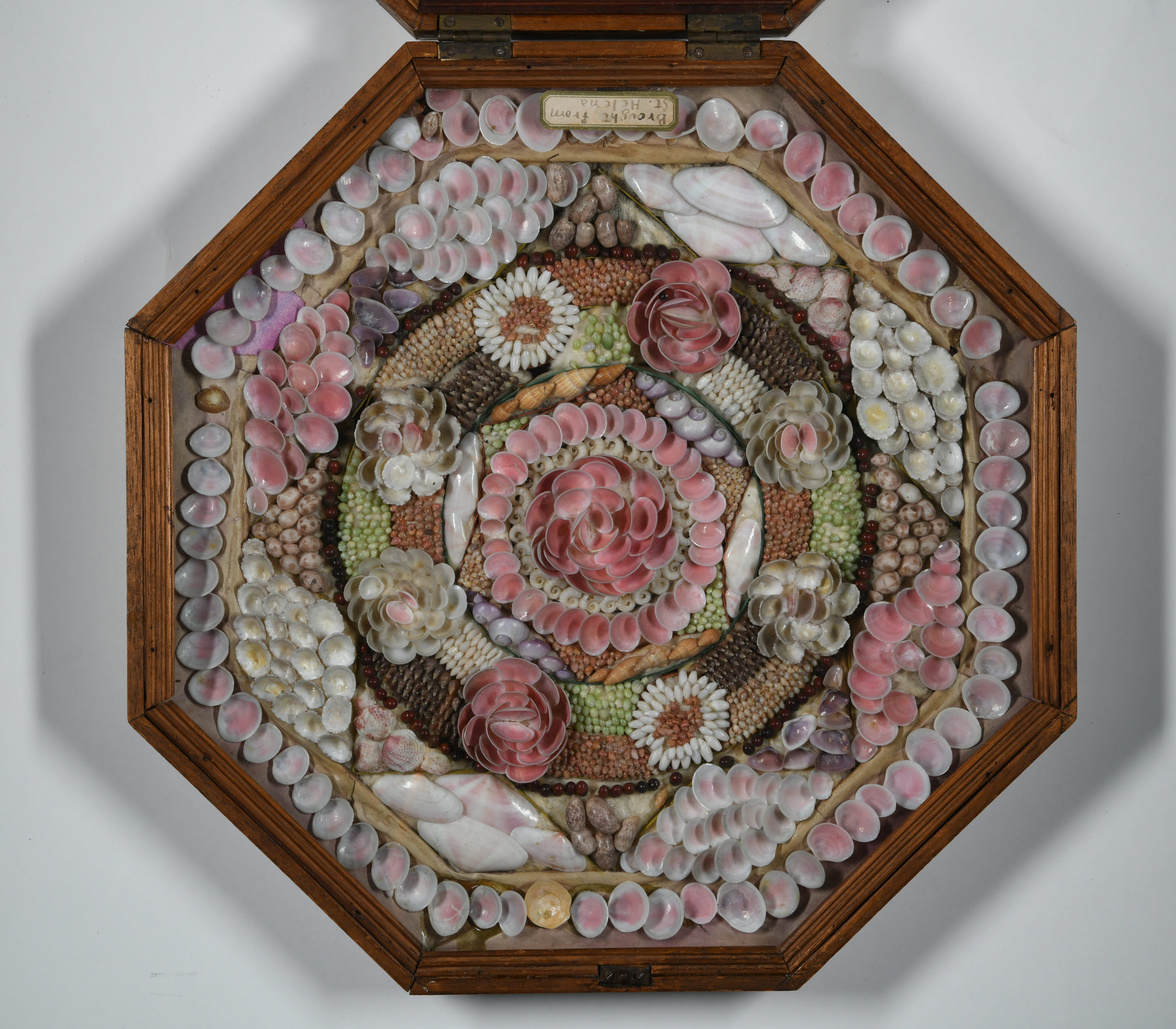
Shellwork mosaics, known as sailor’s valentines, consist of colorful shells in intricate arrangements housed in octagonal wooden boxes. Created primarily between 1830 and 1890, their designs incorporate hearts, flowers, and nautical symbols like anchors and compass roses. Sometimes they carry romantic messages written out in tiny shells.
Despite their name, sailor’s valentines were not made by sailors at sea. Instead, they were produced for the tourist trade by Barbadian women from locally sourced shells. In the 1800s, Barbados, located at the easternmost part of the Caribbean, was a center of maritime supply and distribution. US ships often stopped at the small island, where sailors purchased keepsakes, like valentines, for loved ones at home. This cottage industry for locally made goods provided crucial economic opportunities for women of a color under British colonial occupation. The Slavery Abolition Act came into effect in Barbados in 1834, and previously enslaved Barbadians needed work. While Barbadian men traveled and labored off island, women provided for their families. Shellwork craft production was a lifeline.
The popularity of sailor’s valentines emerged concurrent with the rise of a new scientific discipline – conchology, or the study of shells, the popular pastime of amateur shell collecting, and the domestication of the seaside for tourism. Common shells in sailor’s valentines include Barbados keyhole limpets, purple sea snails, King Venus clams, cockles, and colorful small cowries. Shells could evoke a personal trip to the beach, a voyage further afield, scientific interest, or international knowledge. While some shells were souvenirs, serious shell collectors could order shells from around the world expanding their collection to be truly comprehensive. As with other forms of scientific collecting, the demand for shells and shellwork did contribute to the decline of certain species of mollusks.
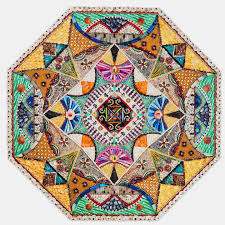
In the 1900s, American women adopted shellwork as a form of artistic expression. Collector and artist Evelyn Way Kendall (1893-1979) summered in Marion, MA starting in 1926 and made numerous sailor’s valentines, two of which are on view in the exhibition. Between 1977 and 1982, Cape Cod folk artists Ralph Cahoon (1910-1982), Martha Cahoon (1905-1999) and Bernard “Bernie” Woodman (1920-1986) further developed this artistic tradition. They created dozens of delicate and charming sailor’s valentines, combining Bernie’s beautiful shellwork with Ralph and Martha’s whimsical, nautical fantasy paintings. Seven are included. Contemporary maker Sandi Blanda (b. 1959) follows a traditional format, while artist Duke Riley (b. 1972) creates oversize vividly colored compositions from plastic trash collected on East coast beaches. Informed by maritime folk arts and the sailor’s valentine, Riley’s work educates audiences about environmental pollution and marine debris.
This exhibition was organized, in part, by the Cahoon Museum of American Art, where it was curated by Leeann Ream
It is supported by the William M. Wood Foundation, Dave and Marilyn Ferkinhoff, and the Boston Marine Society