Boundless: The Book as Art
New Bedford Whaling Museum
Opening October 16, 2026
Closes February 15, 2027
Wattles Family Gallery
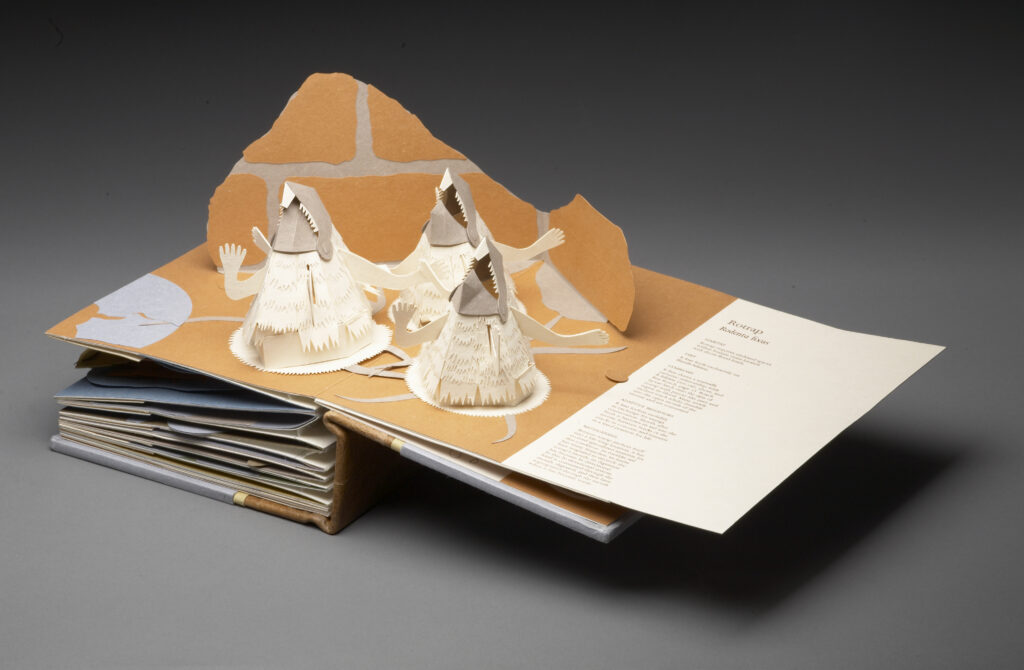
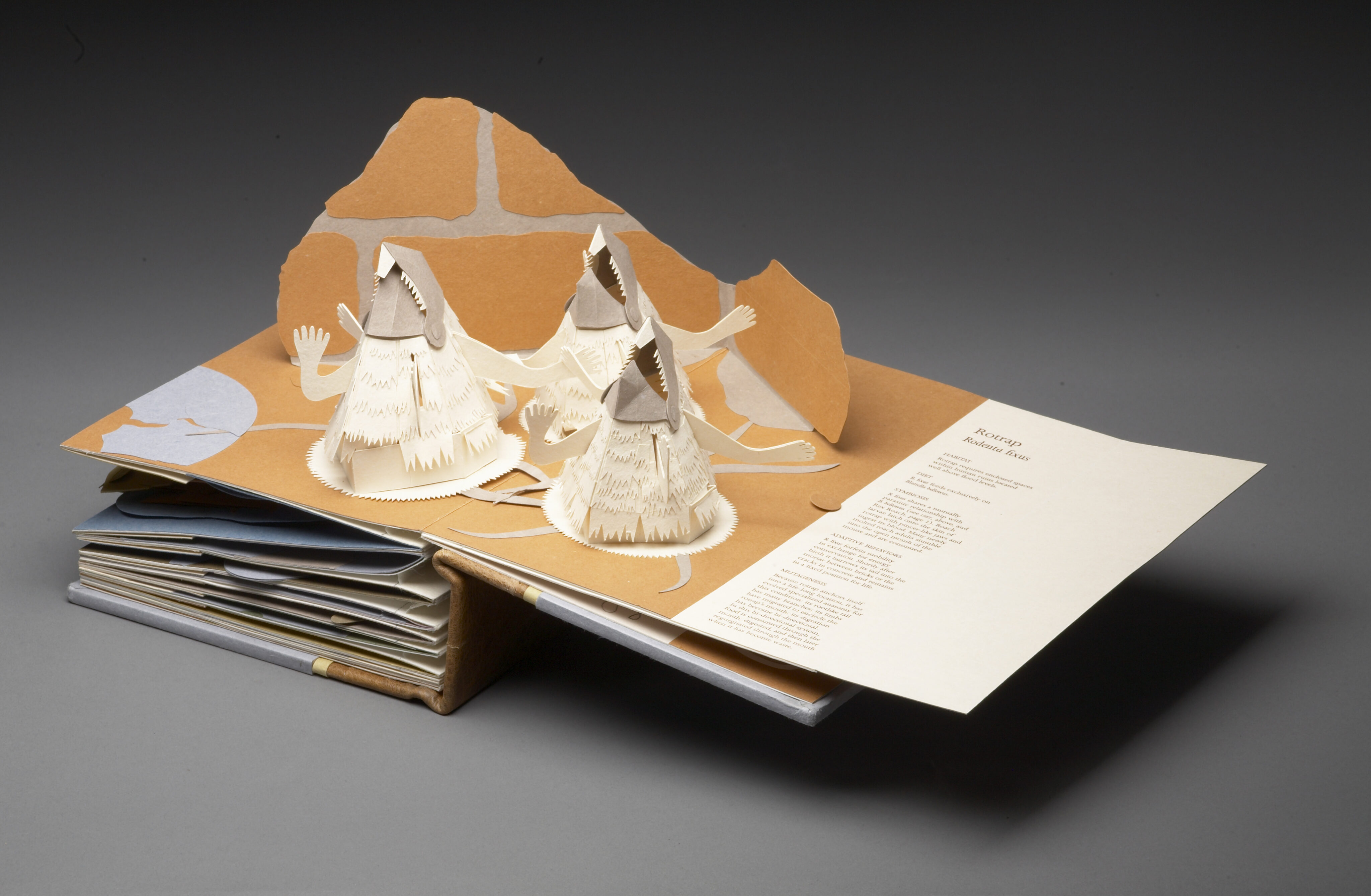
What is a book? In its simplest form, it is a repository of words, images, information, or ideas but how can a book be reinterpreted or altered and still be a book? Where is “art” in bookmaking? How do design, structure, and materiality relate to the book as art? These questions underlie Boundless: The Book as Art, a major exhibition in the Wattles Family Gallery opening in October 2026.
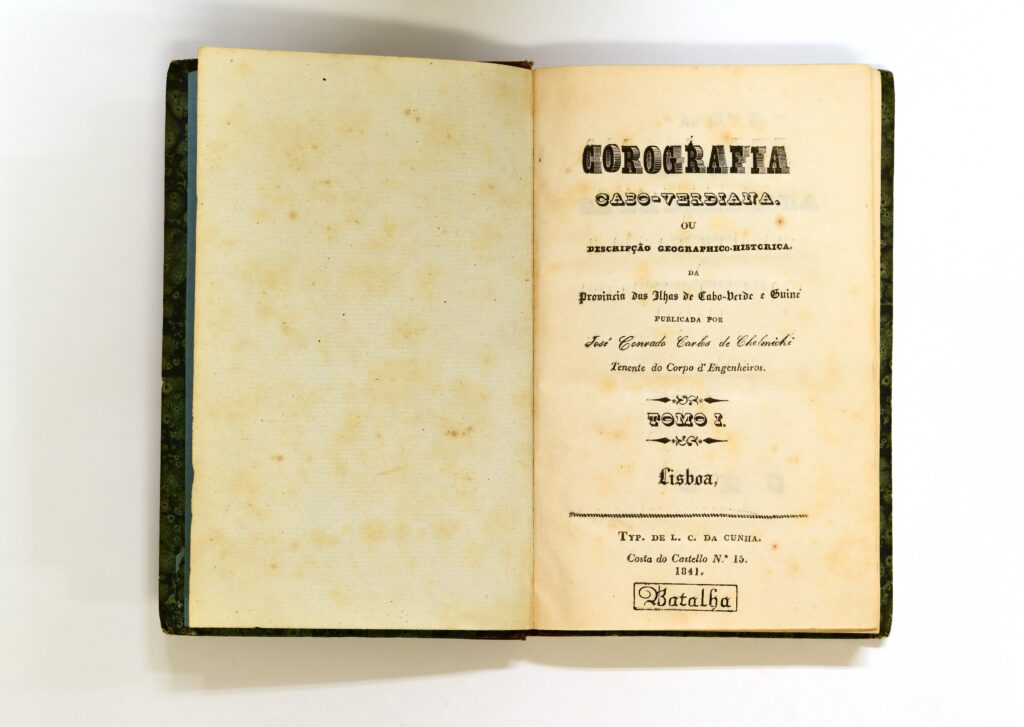
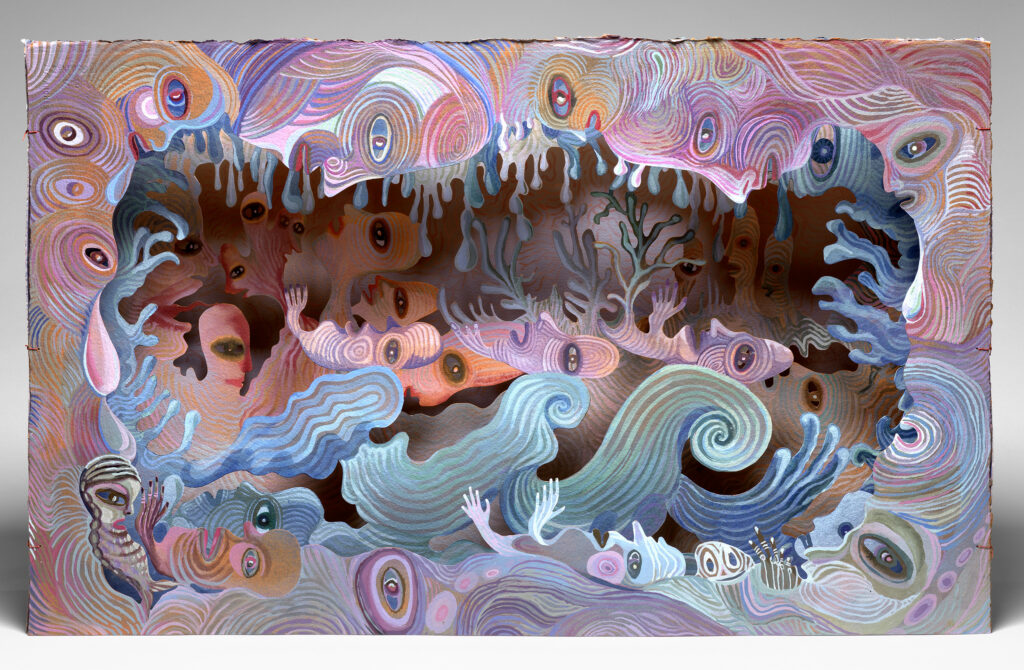
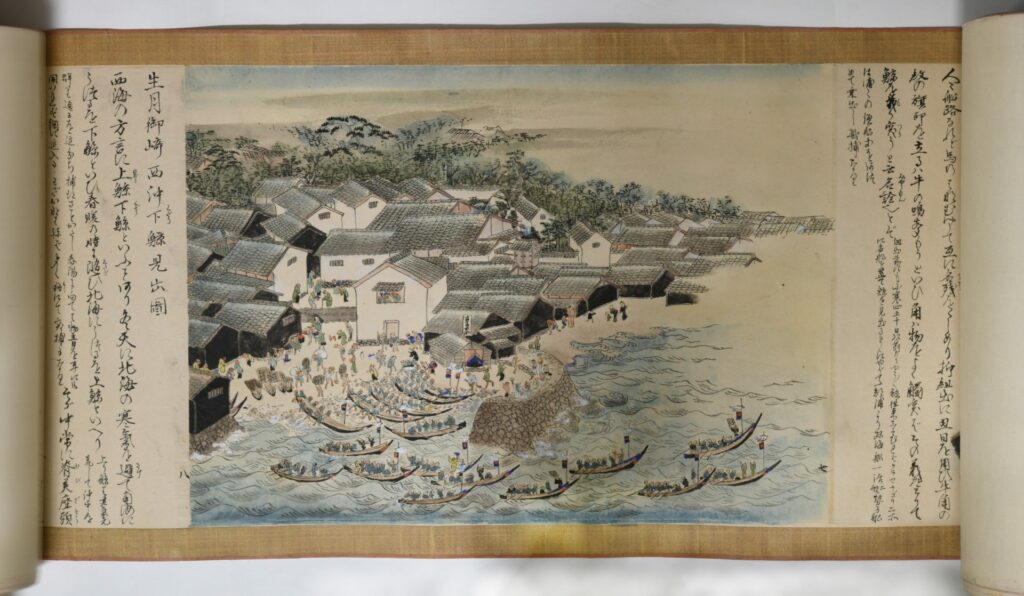
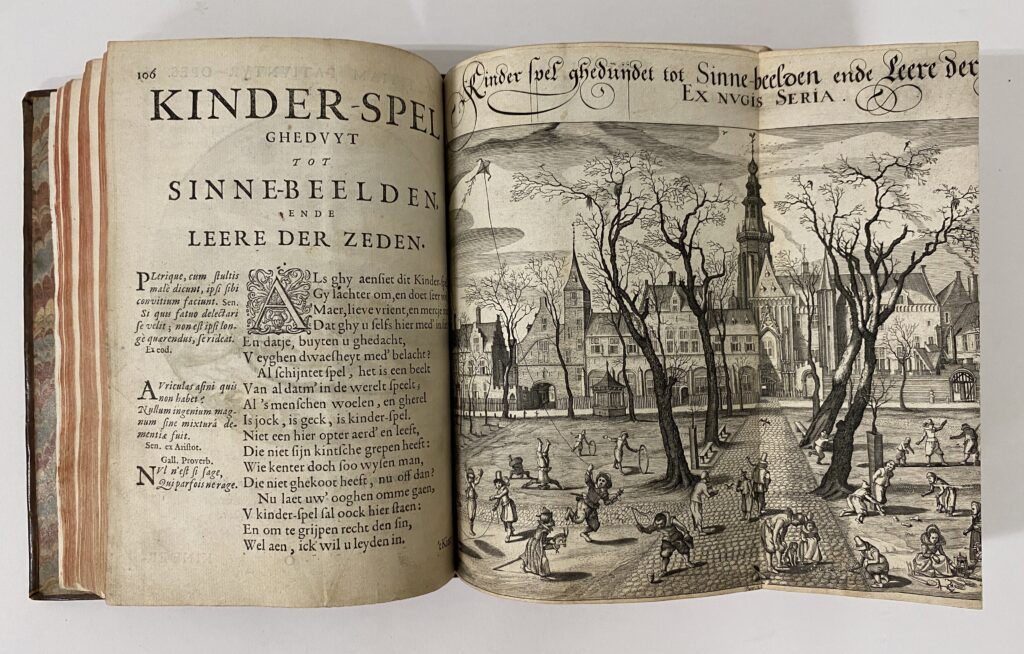
The New Bedford Whaling Museum has over 20,000 books in its collection that range from rare folios, first editions and scrolls to scrapbooks, journals, logbooks, and artist books. Spanning nearly 500 years, these works were printed around the globe and in dozens of languages and cover topics as diverse as shipbuilding, natural history and global exploration to visual arts, poetry and literature. In Boundless, a variety of book formats from the Museum collection are placed in conversation with works from contemporary artists including Andrea Dezsö, Melanie Mowinski, Anneli Skaar, and Tracey Cockrell who transform and rethink the idea and format of the book. When exhibited alongside historic books, these contemporary works—complex and varying in structure and design—create a dialogue around the boundaries of traditional book making and its relationship to art.
Historic publications include an incredible array of rare, illustrated natural history volumes, such as our earliest printed book, Theobaldus’s Phisiologus Theobaldi Episcopi de naturis duodecim animalium, printed in Cologne in 1494, and a volume by Louis Renard showing vividly colored fish and other aquatic lifeforms printed in Paris in 1754; textile sample books produced by New Bedford factories; hair albums, herbaria, and seaweed albums made by regional women; early catalogs for cabinets of curiosity, such as the Museo Cospiano (Bologna, 1677) and Museum Wormianum (Amsterdam, 1655); and the 1930 double volume Lakeside Press printing of Herman Melville’s classic novel Moby-Dick, or the Whale illustrated by Rockwell Kent. Many of the books in the exhibition will be on view to the public for the first time.
This exhibition celebrates the inherent artistry in bookmaking, highlighting the mastery and creativity in traditional book arts including printing, typography, illustration, bookbinding, papermaking, and graphic design. The creative energies that go into the production of a book from start to finish encompasses entire industries of makers, apprentices, and craft traditions. In understanding the book arts, the exhibition then considers the many different makers, printers, and users of books, exploring cultural and social touchstones that underscore the book as a powerful and artful object.
Participating Artists: Anita Gangi Balkun, Andre Lee Bassuet, Lisa Myers Bulmash, Tracey Cockrell, Andrea Dezsö, Cristina Hajosy, Karen Hanmer, Lara Henderson, Ilana Manolson, Melanie Mowinski, Chris Perry, Shawn Sheehy, Gail Smuda, Adrian Tió, Isaac Wood, and Iris Wright.