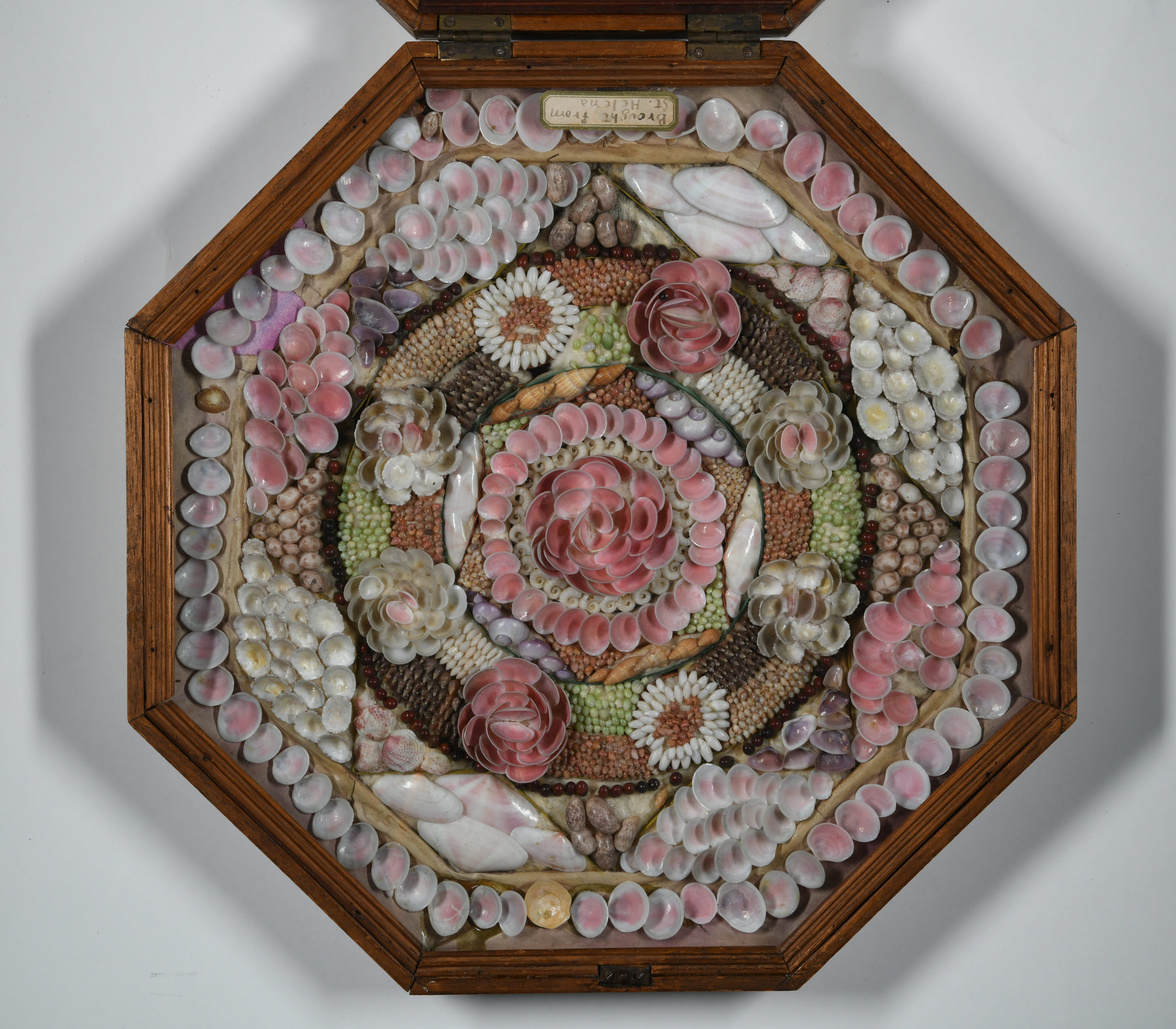
SAILOR’S VALENTINES: Maritime Art from the Heart
New Bedford Whaling Museum
June 19 – November 8, 2026
Upper-level galleries
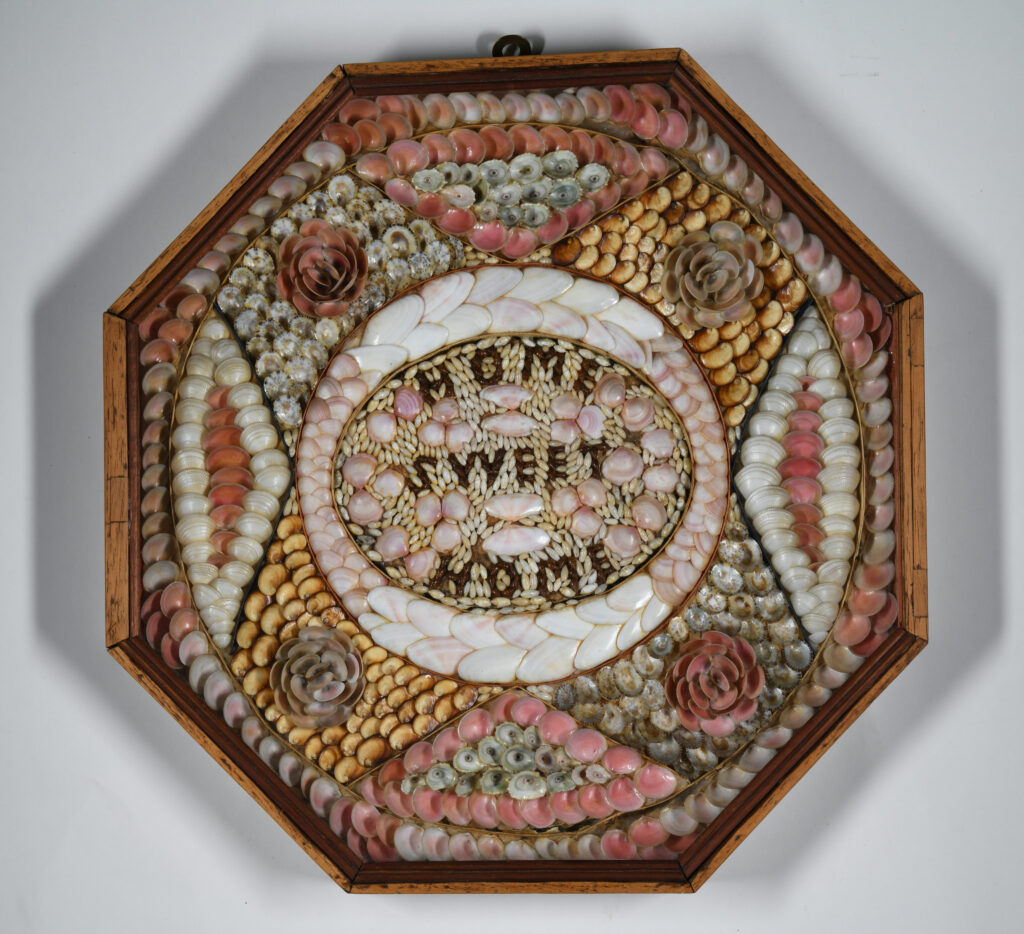
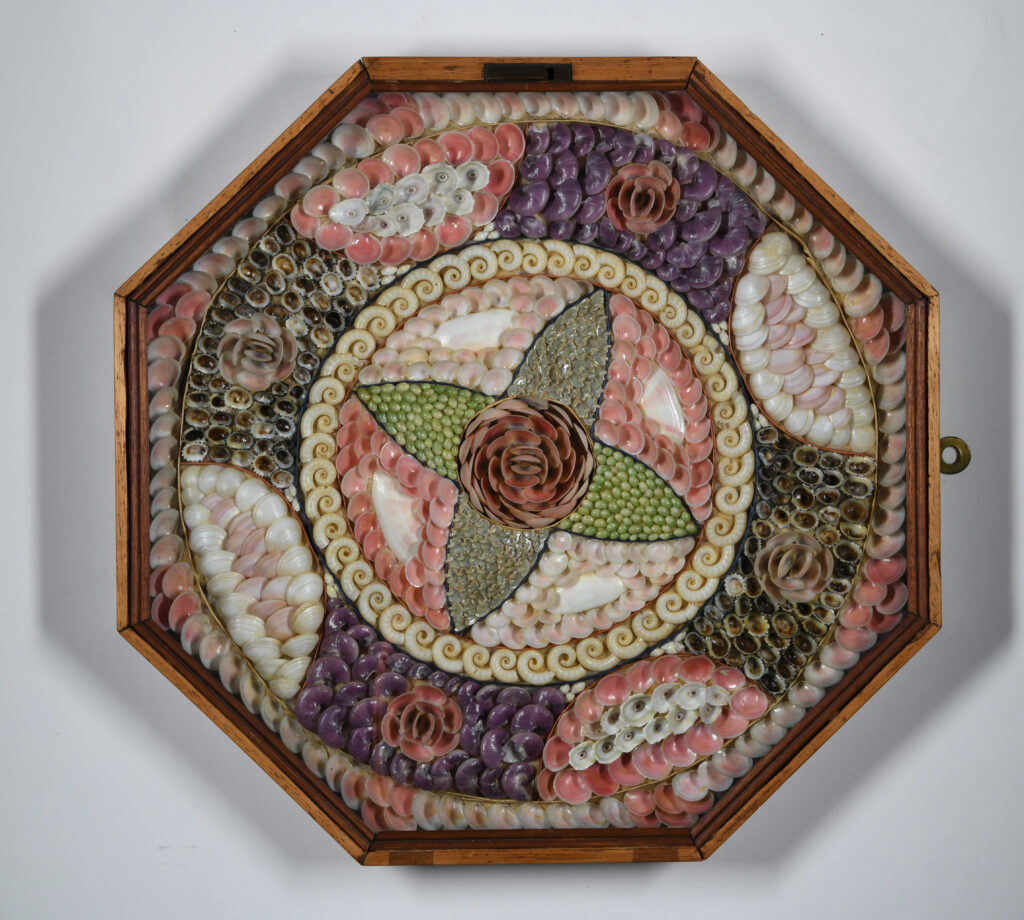
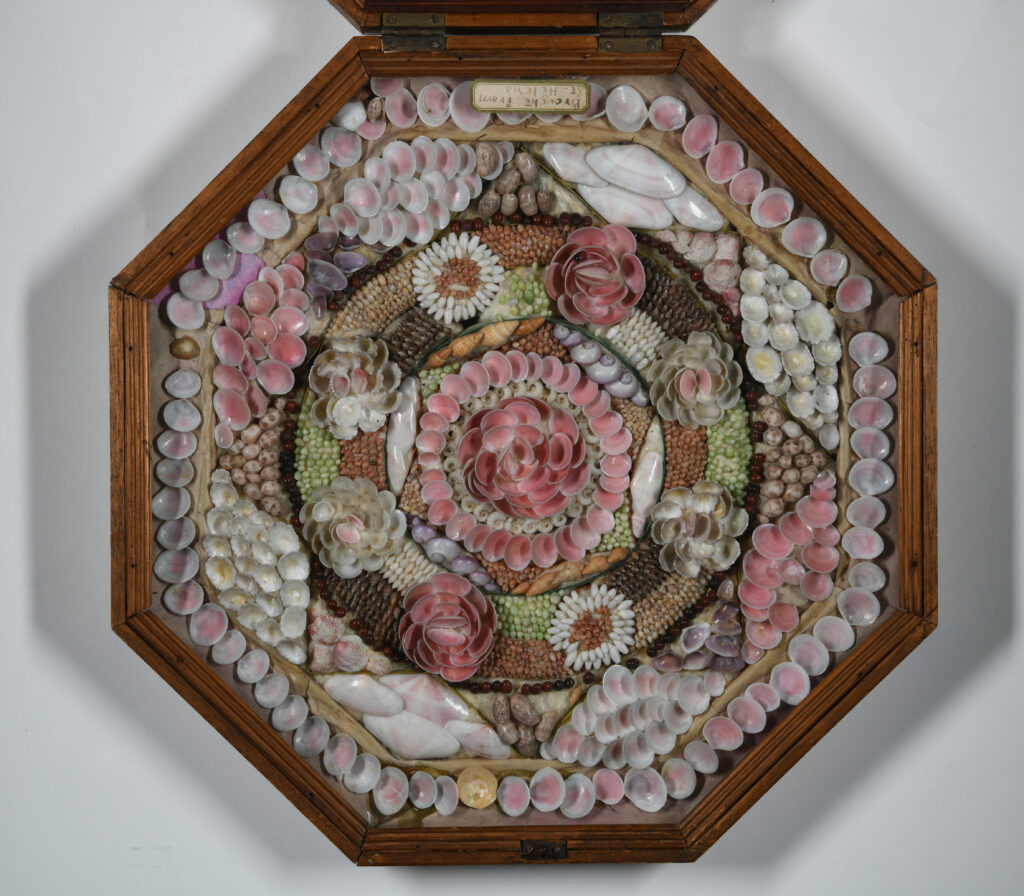
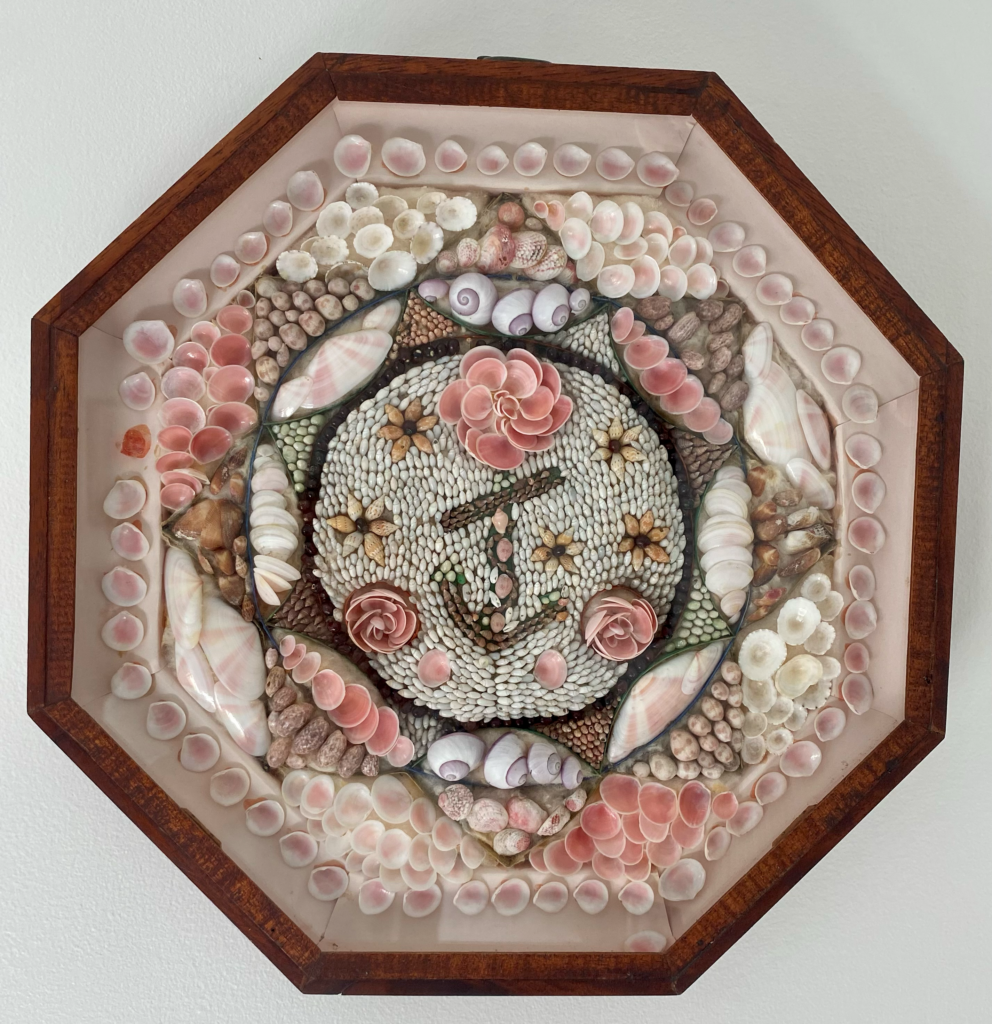
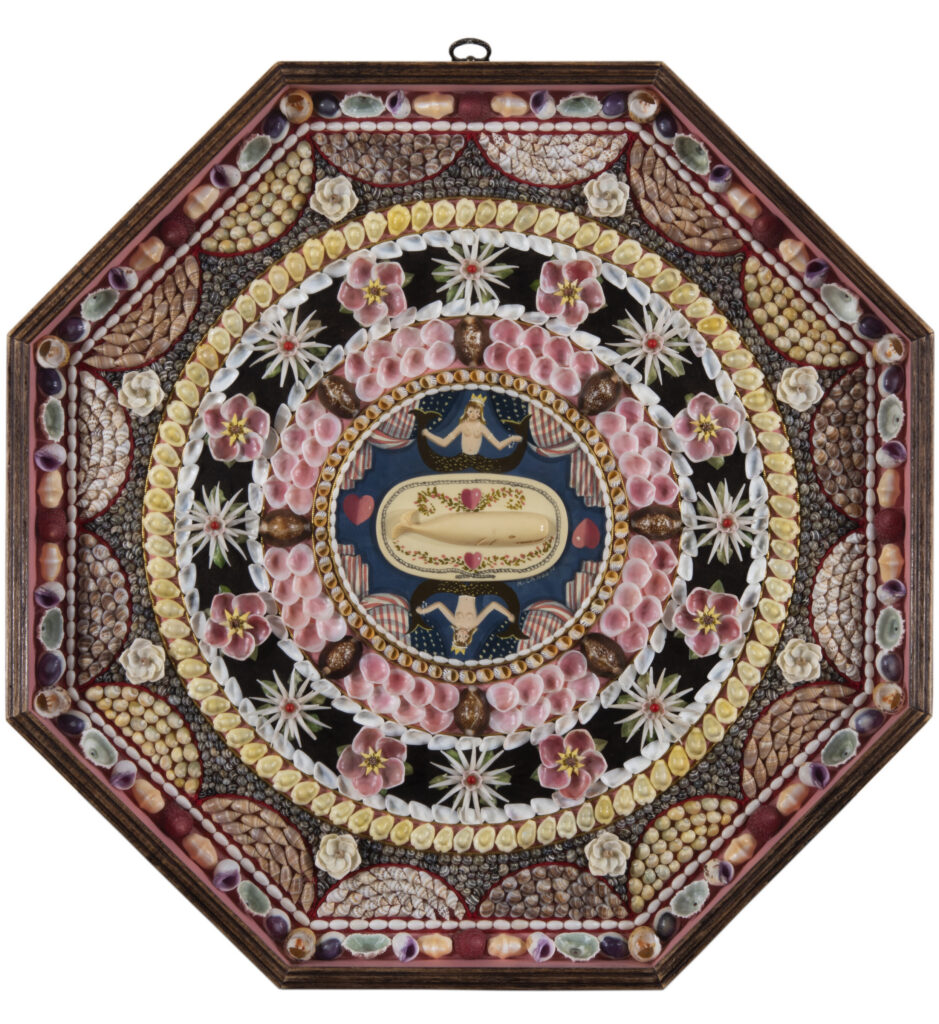
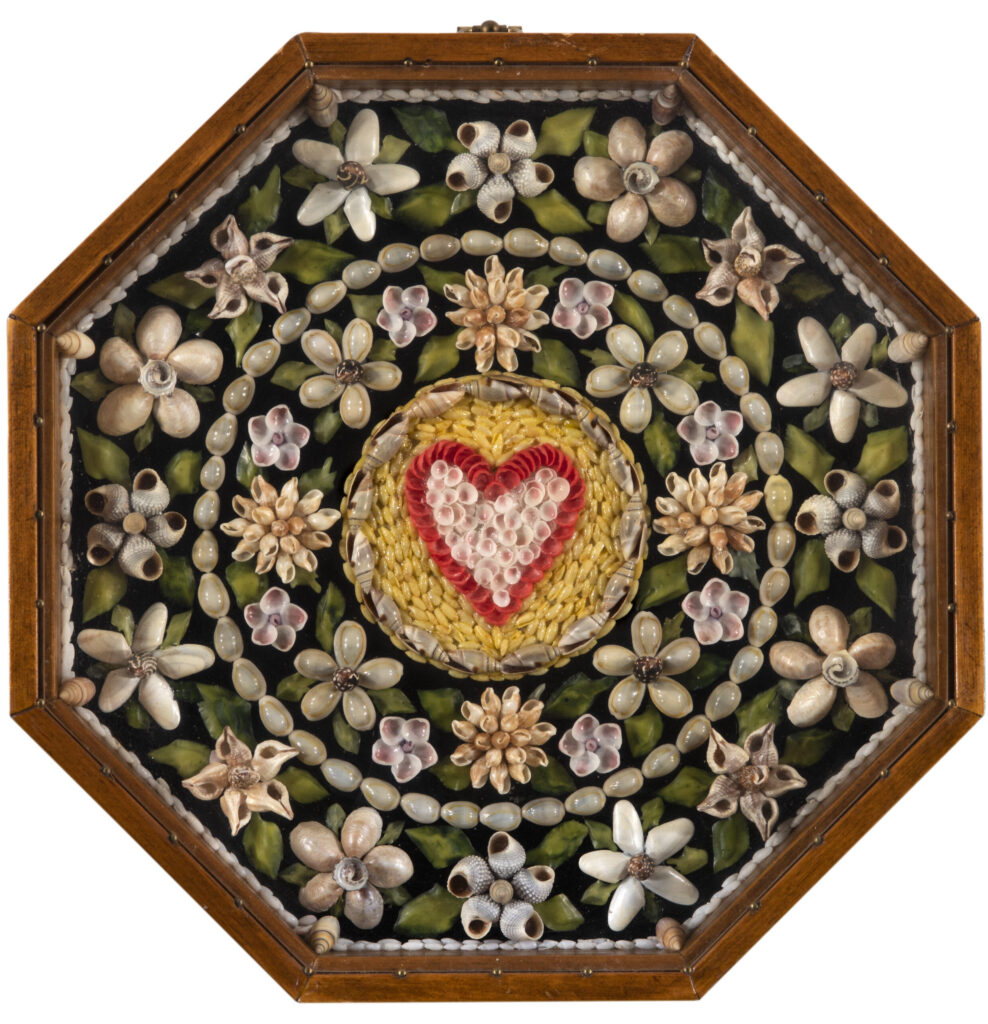
Shellwork mosaics, known as sailor’s valentines, consist of colorful shells in intricate arrangements housed in octagonal wooden boxes. Created primarily between 1830 and 1890, their designs incorporate hearts, flowers, and nautical symbols like anchors and compass roses. Sometimes they carry romantic messages written out in tiny shells.
Despite their name, sailor’s valentines were not made by sailors at sea. Instead, they were produced for the tourist trade by Barbadian women from locally sourced shells. In the 1800s, Barbados, located at the easternmost part of the Caribbean, was a center of maritime supply and distribution. US ships often stopped at the small island, where sailors purchased keepsakes, like valentines, for loved ones at home. This cottage industry for locally made goods provided crucial economic opportunities for women of a color under British colonial occupation. The Slavery Abolition Act came into effect in Barbados in 1834, and previously enslaved Barbadians needed work. While Barbadian men traveled and labored off island, women provided for their families. Shellwork craft production was a lifeline.
The popularity of sailor’s valentines emerged concurrent with the rise of a new scientific discipline – conchology, or the study of shells, the popular pastime of amateur shell collecting, and the domestication of the seaside for tourism. Common shells in sailor’s valentines include Barbados keyhole limpets, purple sea snails, King Venus clams, cockles, and colorful small cowries. Shells could evoke a personal trip to the beach, a voyage further afield, scientific interest, or international knowledge. While some shells were souvenirs, serious shell collectors could order shells from around the world expanding their collection to be truly comprehensive. As with other forms of scientific collecting, the demand for shells and shellwork did contribute to the decline of certain species of mollusks.
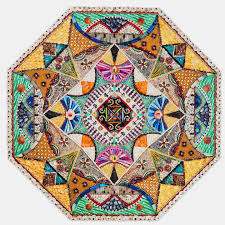
In the 1900s, American women adopted shellwork as a form of artistic expression. Collector and artist Evelyn Way Kendall (1893-1979) summered in Marion, MA starting in 1926 and made numerous sailor’s valentines, two of which are on view in the exhibition. Between 1977 and 1982, Cape Cod folk artists Ralph Cahoon (1910-1982), Martha Cahoon (1905-1999) and Bernard “Bernie” Woodman (1920-1986) further developed this artistic tradition. They created dozens of delicate and charming sailor’s valentines, combining Bernie’s beautiful shellwork with Ralph and Martha’s whimsical, nautical fantasy paintings. Seven are included. Contemporary maker Sandi Blanda (b. 1959) follows a traditional format, while artist Duke Riley (b. 1972) creates oversize vividly colored compositions from plastic trash collected on East coast beaches. Informed by maritime folk arts and the sailor’s valentine, Riley’s work educates audiences about environmental pollution and marine debris.
This exhibition was organized, in part, by the Cahoon Museum of American Art, where it was curated by Leeann Ream
It is supported by the William M. Wood Foundation, Dave and Marilyn Ferkinhoff, and the Boston Marine Society

Boundless: The Book as Art
New Bedford Whaling Museum
Opening October 16, 2026
Wattles Family Gallery
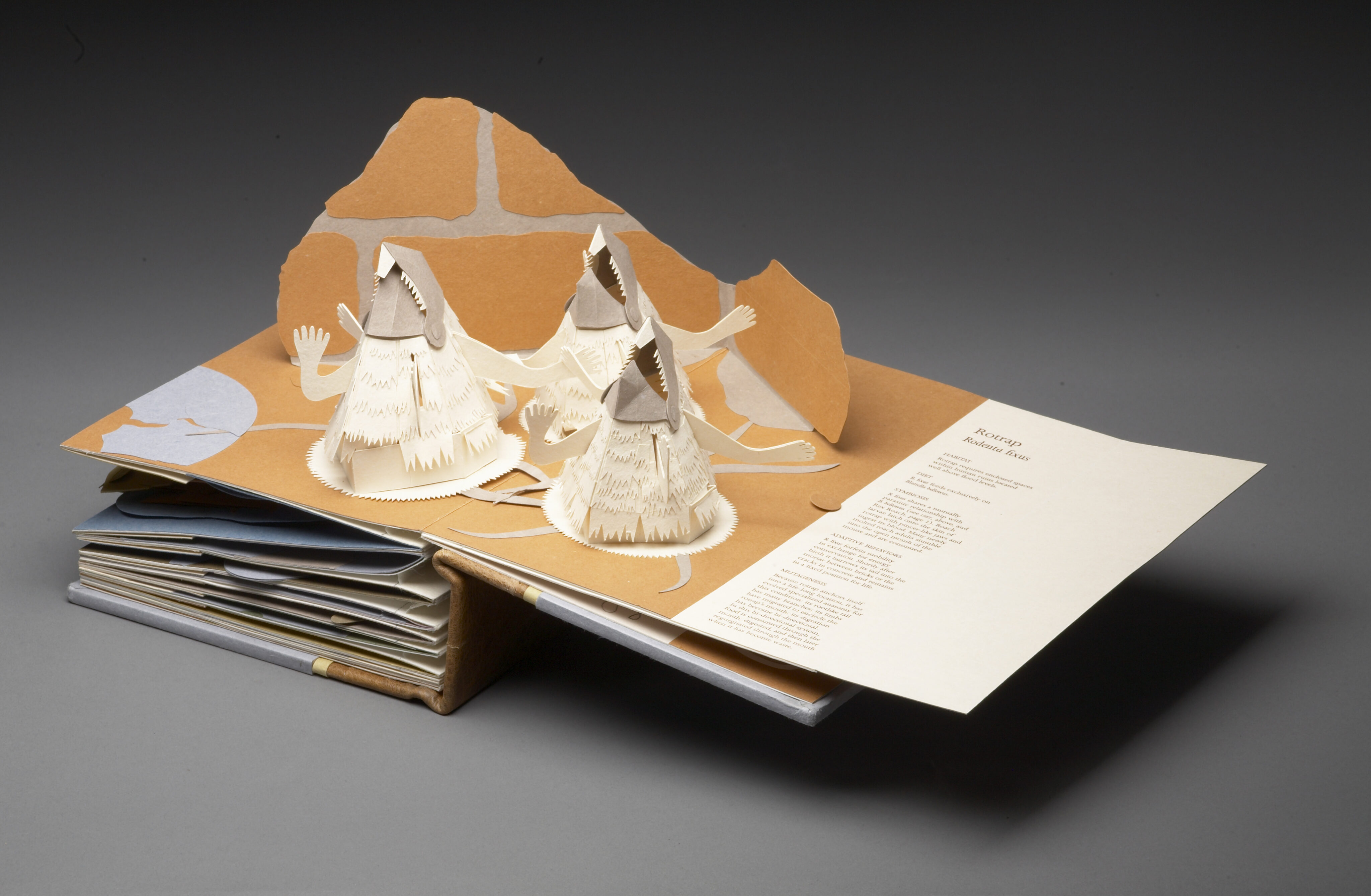
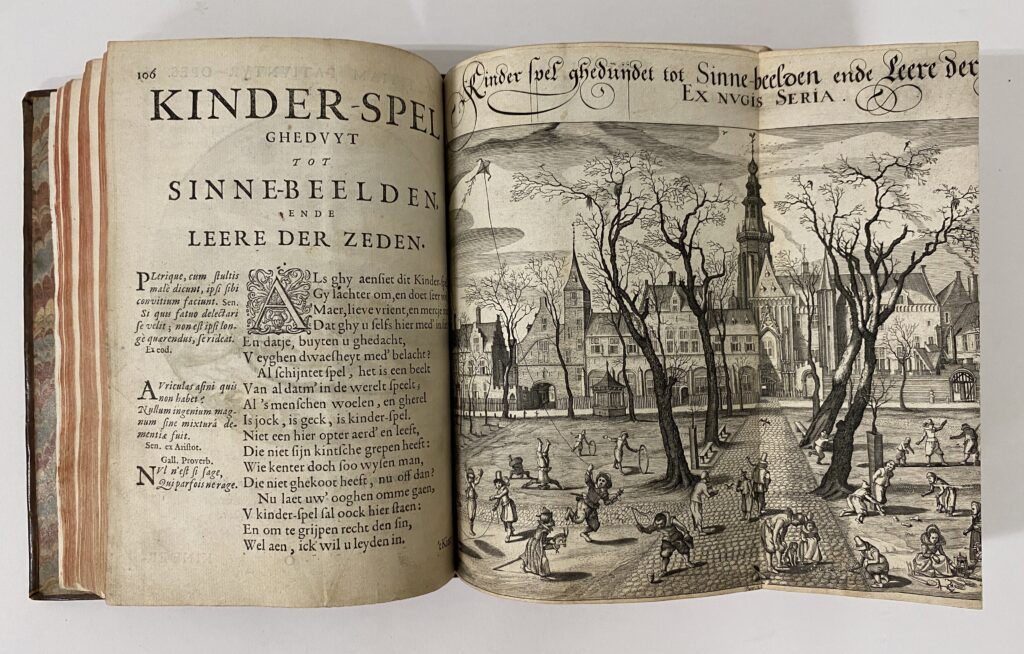
What is a book? In its simplest form, it is a repository of words, images, information, or ideas but how can a book be reinterpreted or altered and still be a book? Where is “art” in bookmaking? How do design, structure, and materiality relate to the book as art? These questions underlie Boundless: The Book as Art, a major exhibition in the Wattles Family Gallery opening in October 2026.
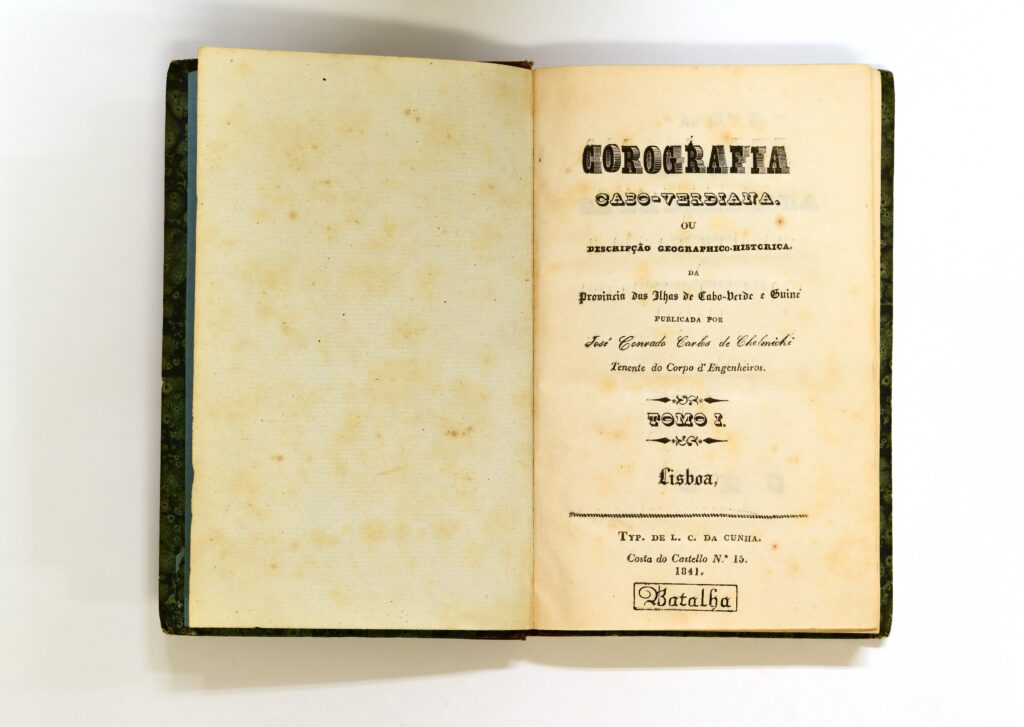
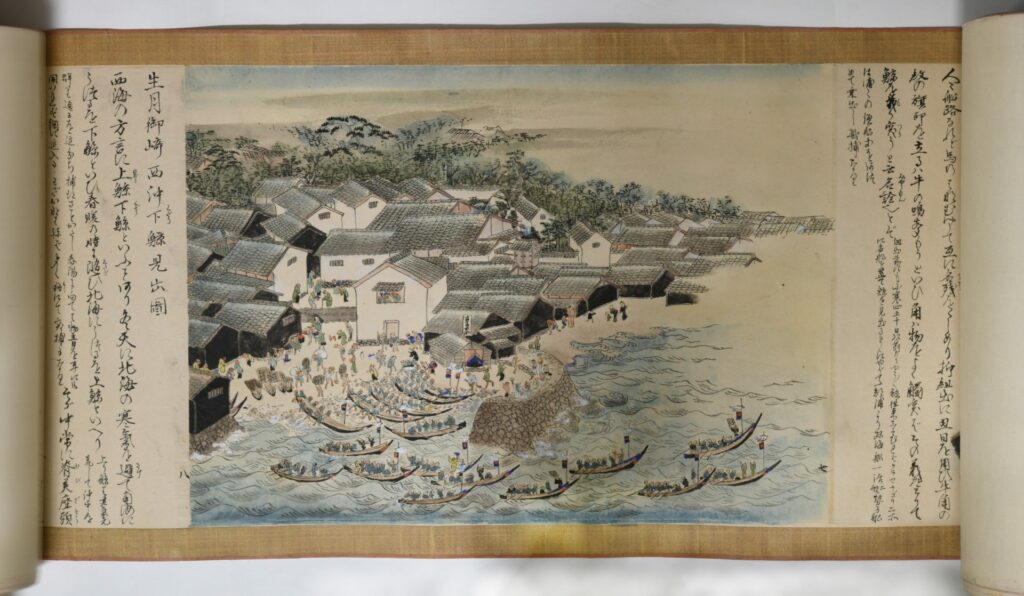
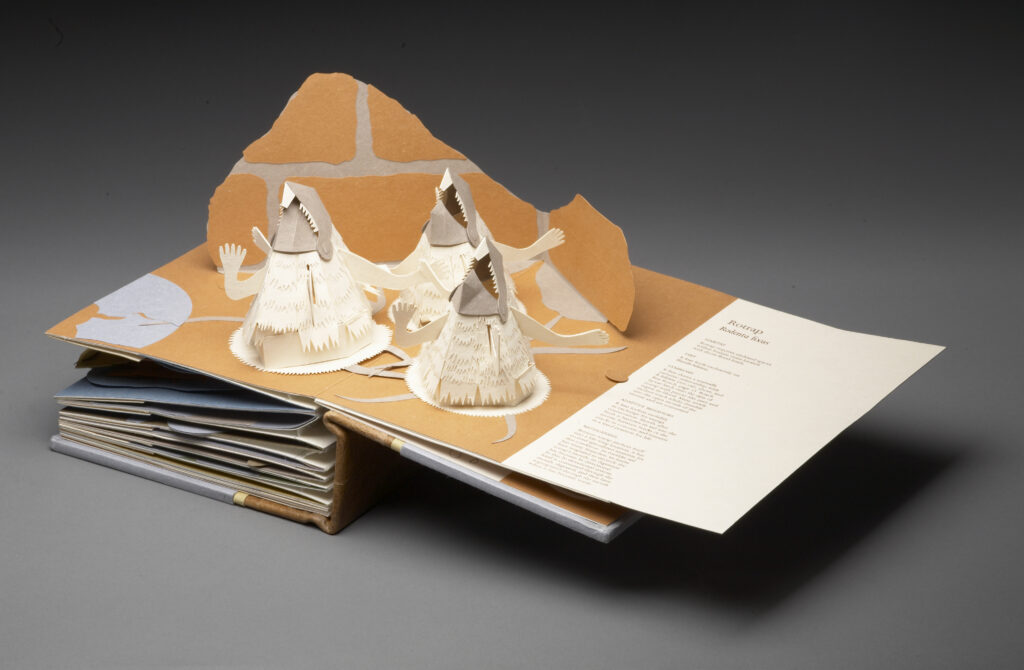
The New Bedford Whaling Museum has over 20,000 books in its collection that range from rare folios, first editions and scrolls to scrapbooks, journals, logbooks, and artist books. Spanning nearly 500 years, these works were printed around the globe and in dozens of languages and cover topics as diverse as shipbuilding, natural history and global exploration to visual arts, poetry and literature. In Boundless, a variety of book formats from the Museum collection are placed in conversation with works from contemporary artists including Andrea Dezsö (b. 1968), Melanie Mowinski (b. 1970), Anneli Skaar (b. 1969), and Tracey Cockrell who transform and rethink the idea and format of the book. When exhibited alongside historic books, these contemporary works—complex and varying in structure and design—create a dialogue around the boundaries of traditional book making and its relationship to art.
Historic publications include an incredible array of rare, illustrated natural history volumes, such as our earliest printed book, Theobaldus’s Phisiologus Theobaldi Episcopi de naturis duodecim animalium, printed in Cologne in 1494, and a volume by Louis Renard showing vividly colored fish and other aquatic lifeforms printed in Paris in 1754; textile sample books produced by New Bedford factories; hair albums, herbaria, and seaweed albums made by regional women; early catalogs for cabinets of curiosity, such as the Museo Cospiano (Bologna, 1677) and Museum Wormianum (Amsterdam, 1655); and the 1930 double volume Lakeside Press printing of Herman Melville’s classic novel Moby-Dick, or the Whale illustrated by Rockwell Kent. Many of the books in the exhibition will be on view to the public for the first time.
This exhibition celebrates the inherent artistry in bookmaking, highlighting the mastery and creativity in traditional book arts including printing, typography, illustration, bookbinding, papermaking, and graphic design. The creative energies that go into the production of a book from start to finish encompasses entire industries of makers, apprentices, and craft traditions. In understanding the book arts, the exhibition then considers the many different makers, printers, and users of books, exploring cultural and social touchstones that underscore the book as a powerful and artful object.







New Ecologies: May Babcock
New Bedford Whaling Museum
November 20, 2026-April 18, 2027
Center Street Gallery
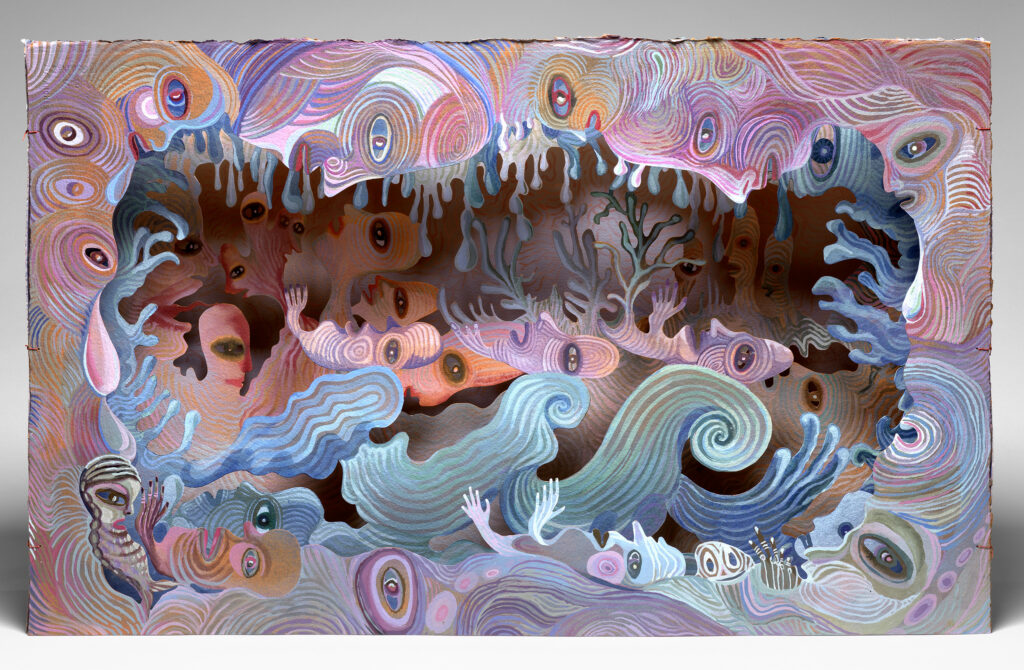
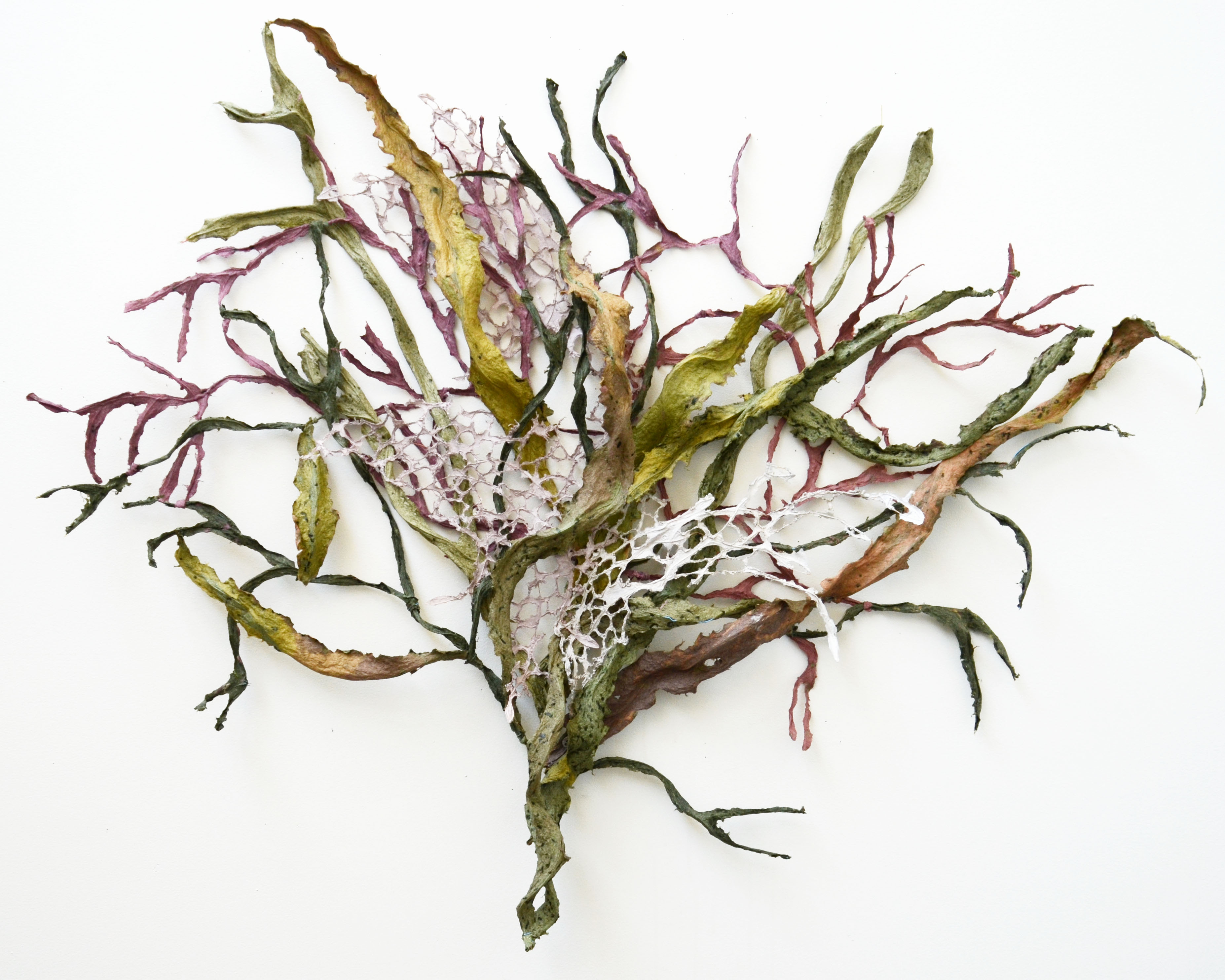
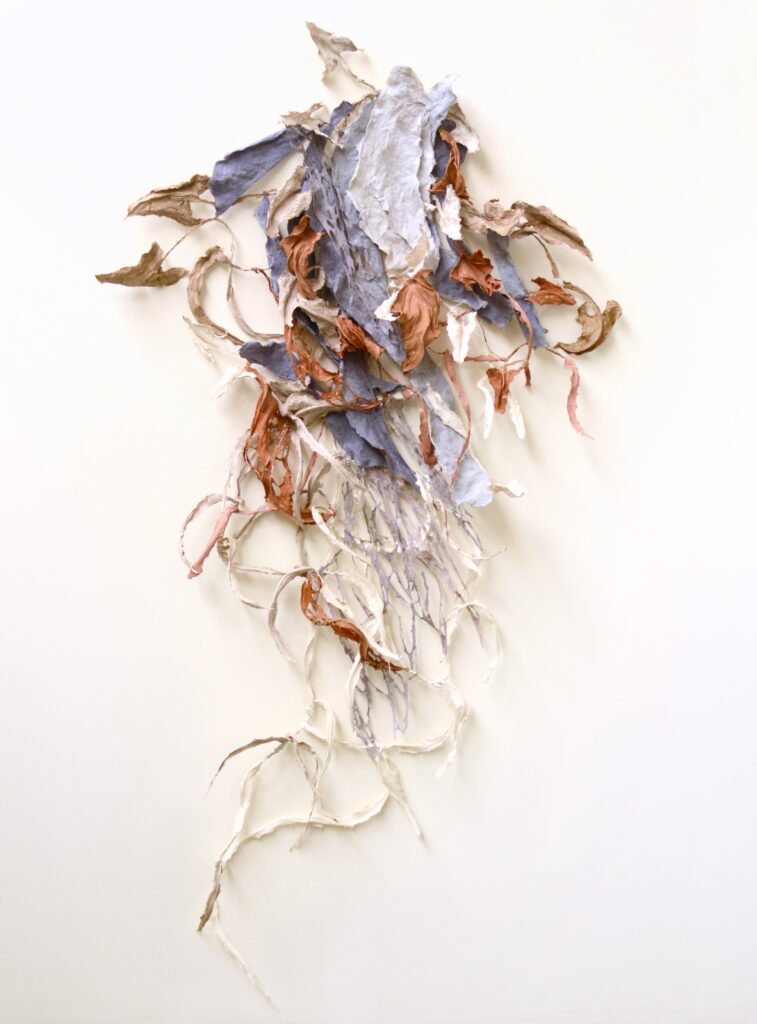
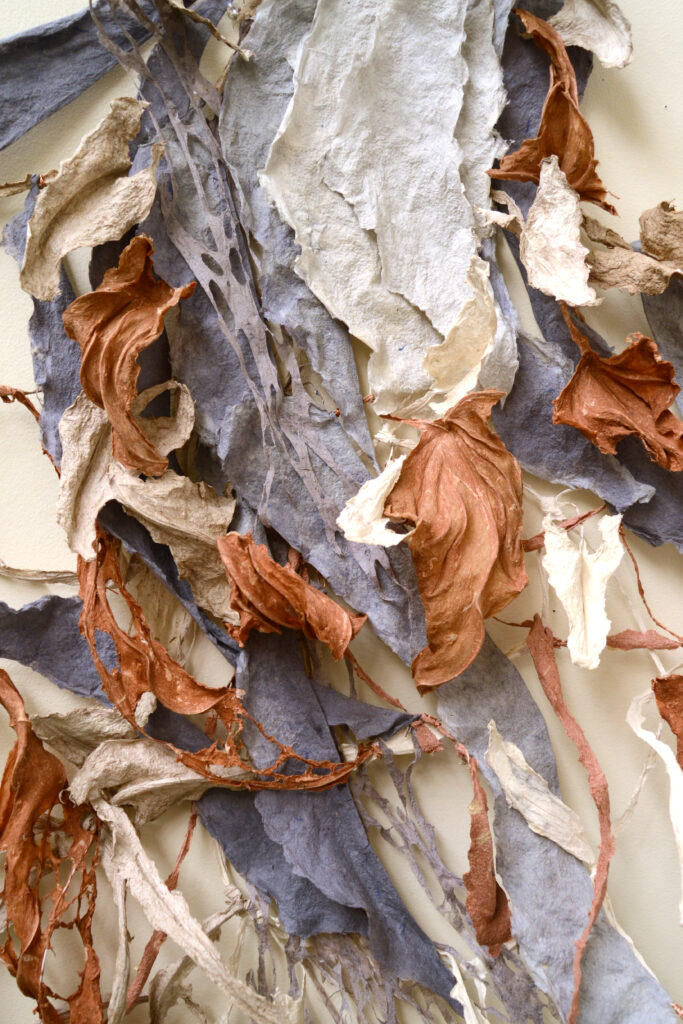
Providence based artist May Babcock (b. 1986) is an eco-centric artist that creates paper works and sculptural forms from natural materials she sources from local environments. Her masterfully crafted works are rooted in place and reflect the texture, color, and sometimes shape of the grasses, sediment, and fiber she collects and manipulates. In her most recent body of work, on view at the New Bedford Whaling Museum in November of 2026, she creates a collection of “new ecologies” constructed from natural sites around southern New England.
“I wander rivers and coastlines, observing novel plant communities surviving in distressed lands and waters. Collected fibers and sediment turns into paper pulp, which coats discarded electrical and internet communication wire. I make many small, abstract sculptures of plant forms and water.
With no planning or preparation, and in stream of consciousness, I spontaneously compose these smaller elements into wall sculptures, amalgamations. This act of discovery and connecting reflects the growth of novel relationships—New Ecologies emerging out of collapsing systems.”
Bio:
I’m May Babcock, a papermaking artist using natural materials in New England. I grew up in rural Connecticut surrounded by forests, rivers and ponds, and vegetable and flower gardens. I received scholarships to attend the University of Connecticut for a BFA in painting and printmaking and went to Louisiana State University for my MFA and to learn papermaking.
As a biracial artist of Taiwanese-Chinese descent I never felt like I belonged. Exploring specific sites is a search for belonging, plant fibers, and connection with place.
Melting Glaciers, Rising Seas: William Bradford, Climate Change, and the Contemporary
New Bedford Whaling Museum
Coming 2027
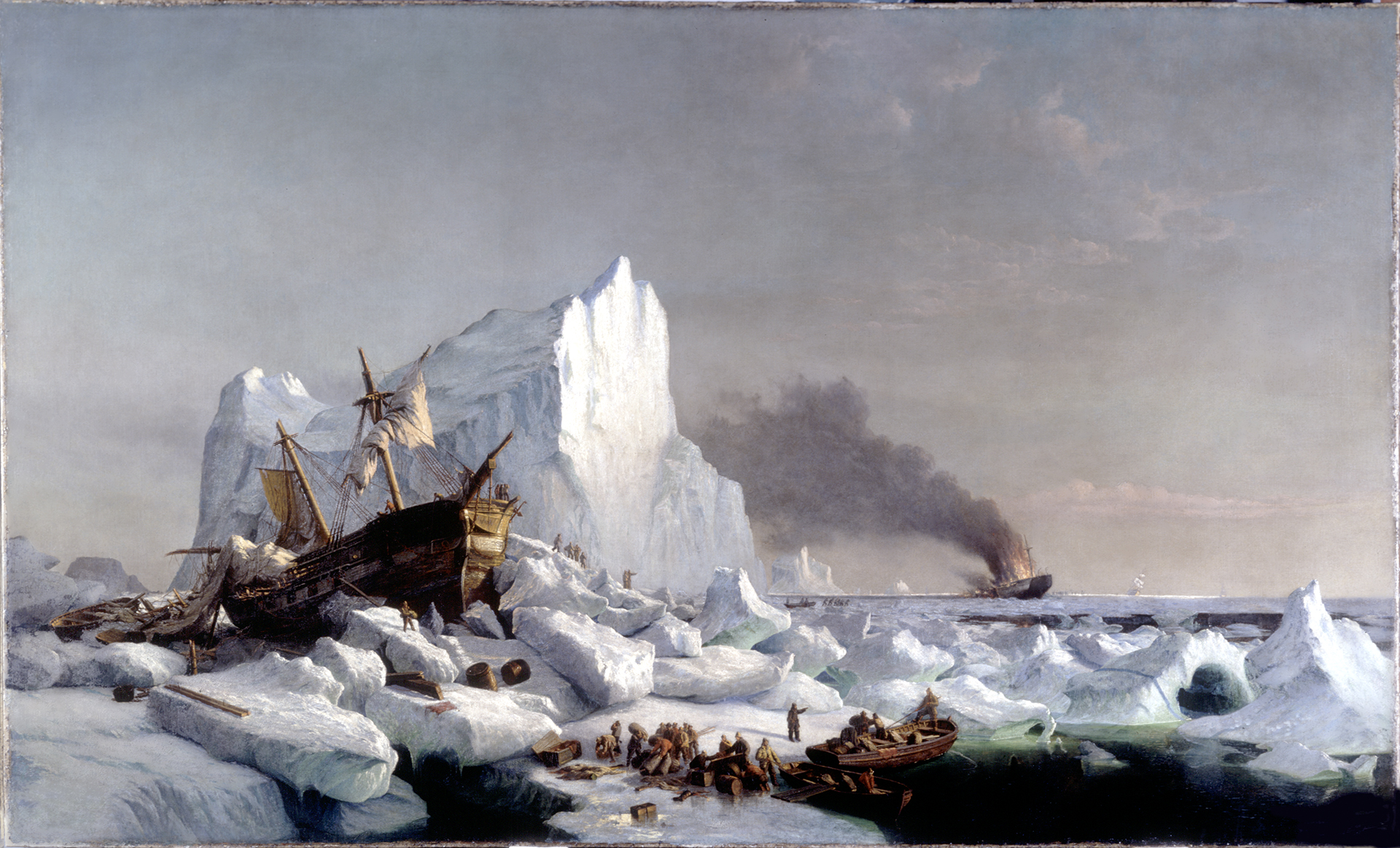
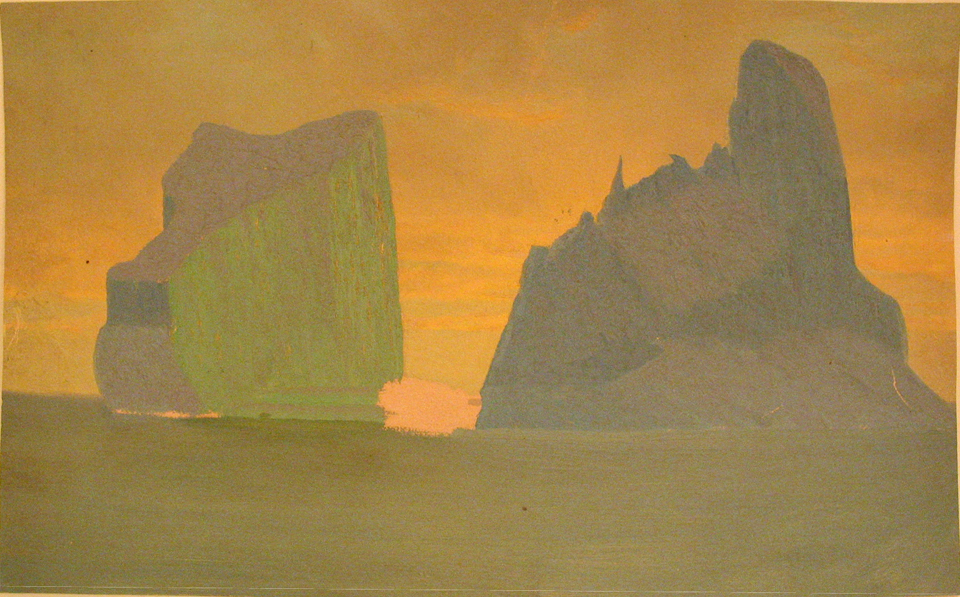
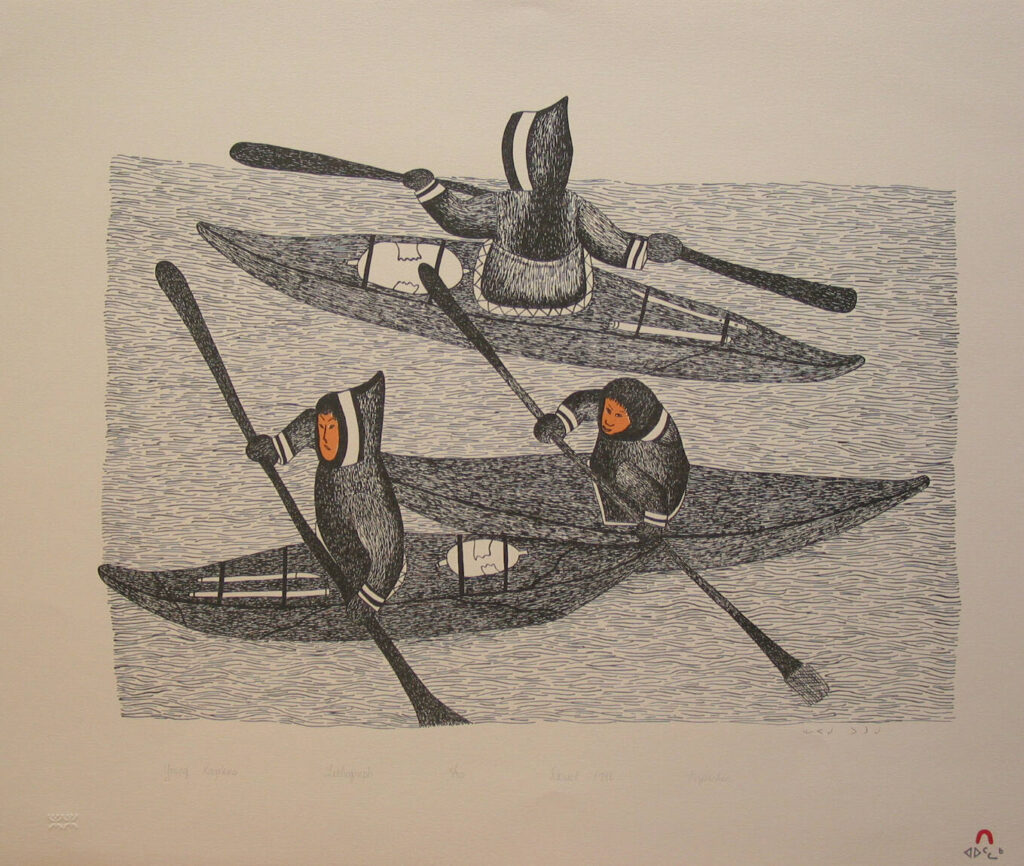
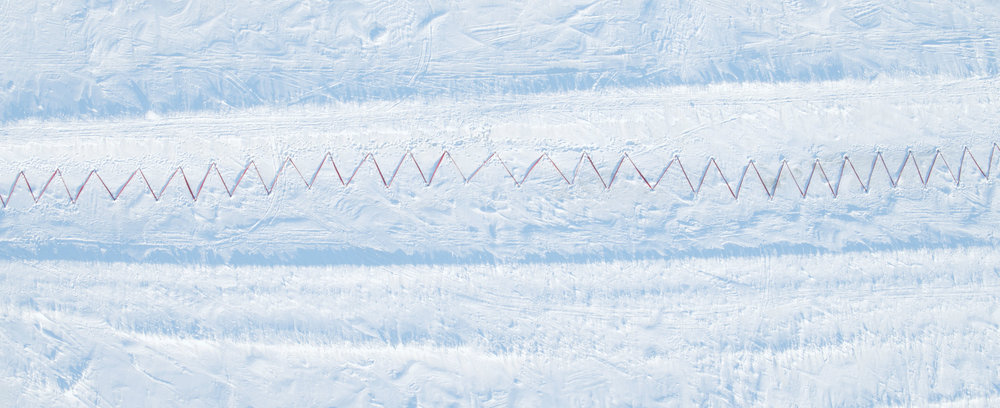
American artist William Bradford (Fairhaven, MA; 1823-1892) greatly expanded knowledge about the arctic through photographs, paintings, publications, and lectures. The exhibition and catalogue, Melting Glaciers, Rising Seas: William Bradford, Climate Change, and the Contemporary, situates Bradford’s work in conversation with contemporary art about climate change and Eastern Arctic Indigenous communities across Inuit Nunangat and Kalaallit Nunaat. Featuring 180+ artworks, the exhibit and publication offer a new critical framework for thinking about historical American art of the arctic, contextualizing Bradford’s journeys alongside contemporary art on climate change and Arctic lifeways, and forcing reflection on our shared futures.
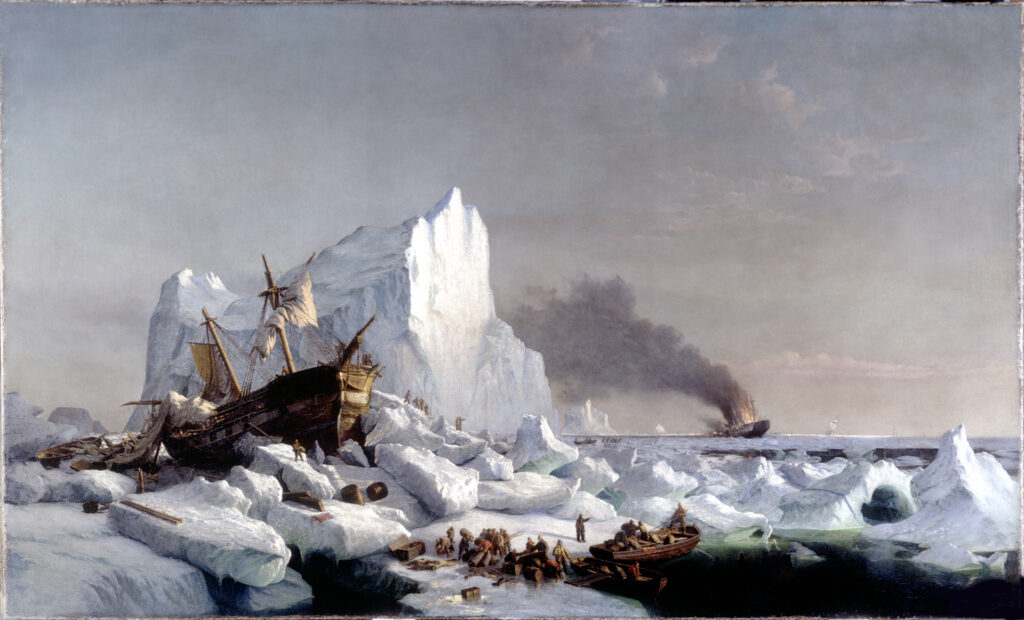
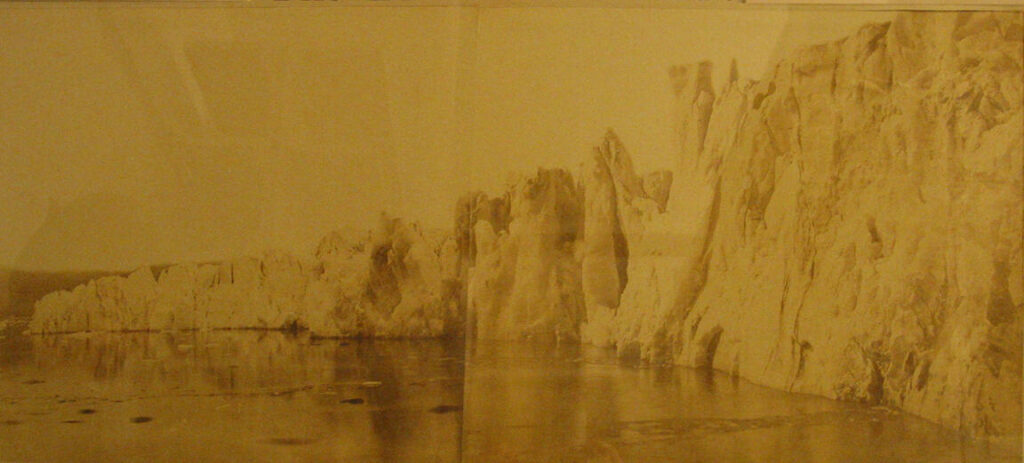
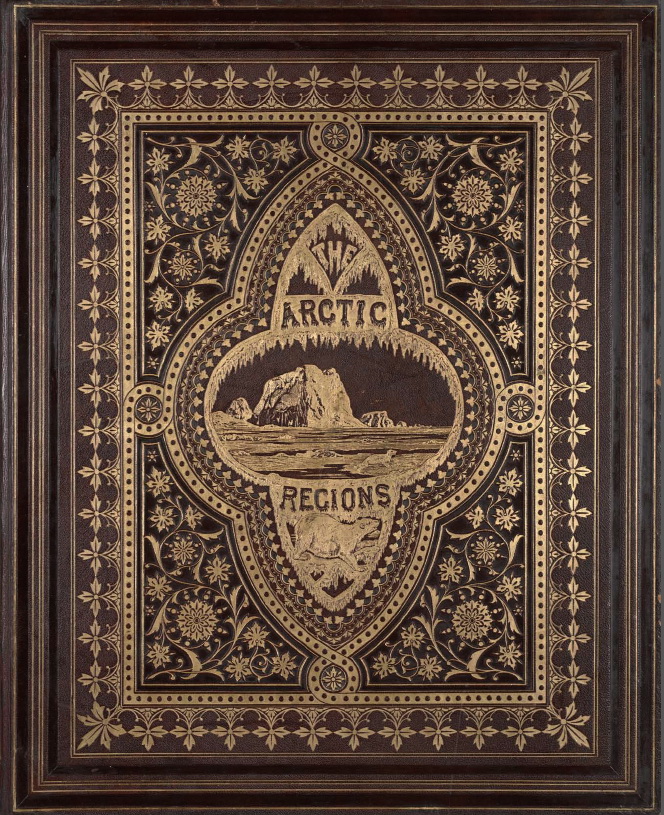
Bradford had four significant periods in his career: ship portraits, Dutch-inspired marine scenes, luminist works, and Realist arctic landscapes. In 1861, the artist traveled to Labrador (today the northernmost point of Northeastern Canada), returning annually between 1863 and 1867. These journeys inspired his monumental painting Sealers Crushed by Icebergs (1866; New Bedford Whaling Museum), depicting a crew of seal-hunting vessels overcome by errant ice and bringing attention to the awesomeness of the arctic environ. In 1869, he traveled to Greenland for an ambitious three-month expedition. They reached 75° north latitude, well inside the Arctic Circle, and created over 300 photographs, 50 oil sketches, and more than 100 drawings, from which Bradford produced numerous paintings. He published his account of the voyage in an oversized deluxe volume with 141 albumen silver prints as The Arctic Regions, illustrated with photographs taken on an art expedition to Greenland; with descriptive narrative by the artist (1873) and went on the public lecture circuit. The purchase of Sealers Crushed by Icebergs in 1872 by the Marquess of Lorne, Queen Victoria’s son-in-law, gained him royal patronage, a commission from Queen Victoria, and a public exhibition at the Royal Academy in 1875. These events established Bradford as the “Painter of the Polar World” and brought international acclaim.
The New Bedford Whaling Museum stewards one of the largest collections of work by William Bradford in the world. For this exhibition, we dive deep into a body of work that includes over 300 original pieces related to or made by Bradford, more than 80 by his teacher Albert Van Beest (1820-1860), and significant historical Arctic holdings focused on Greenland and the Eastern Arctic—US and European prints, publications, paintings, and Inuit and Sámi material culture. Bradford’s oeuvre allows us to reflect on the impacts of Arctic exploration and settler colonialism on the circumpolar north and engage with contemporary issues surrounding climate change and Arctic Indigenous sovereignty. We will partner with contemporary artists across the circumpolar north, especially the Eastern Arctic, who grapple with settler colonialism, its legacies, and the effects of climate change on Arctic environments. Works by artists from Inuit Nunangat and Kalaallit Nunaat reframe Bradford’s sublime scenes and prompt critical appraisal of present-day challenges, including climate change and Arctic Indigenous identity and sovereignty. The timeliness of this exhibition is significant: we are at a critical juncture in public conversations about climate change and its global impacts, as well as Indigenous sovereignty and Arctic lifeways. Colonialism and climate change are deeply intertwined. In 2024, Greenland—an autonomous territory of the Kingdom of Denmark and the site of Bradford’s most significant expedition—officially declared its intention to achieve independence. While the climate crisis is sparking a new “land grab,” it also poses critical threats to coastal and inland Arctic peoples, their lifeways, and their ability to survive on ancestral homelands. This project marshals the NBWM’s deep holdings to introduce audiences to overlooked historical topics and figures while fueling essential conversations about environmental and social justice.
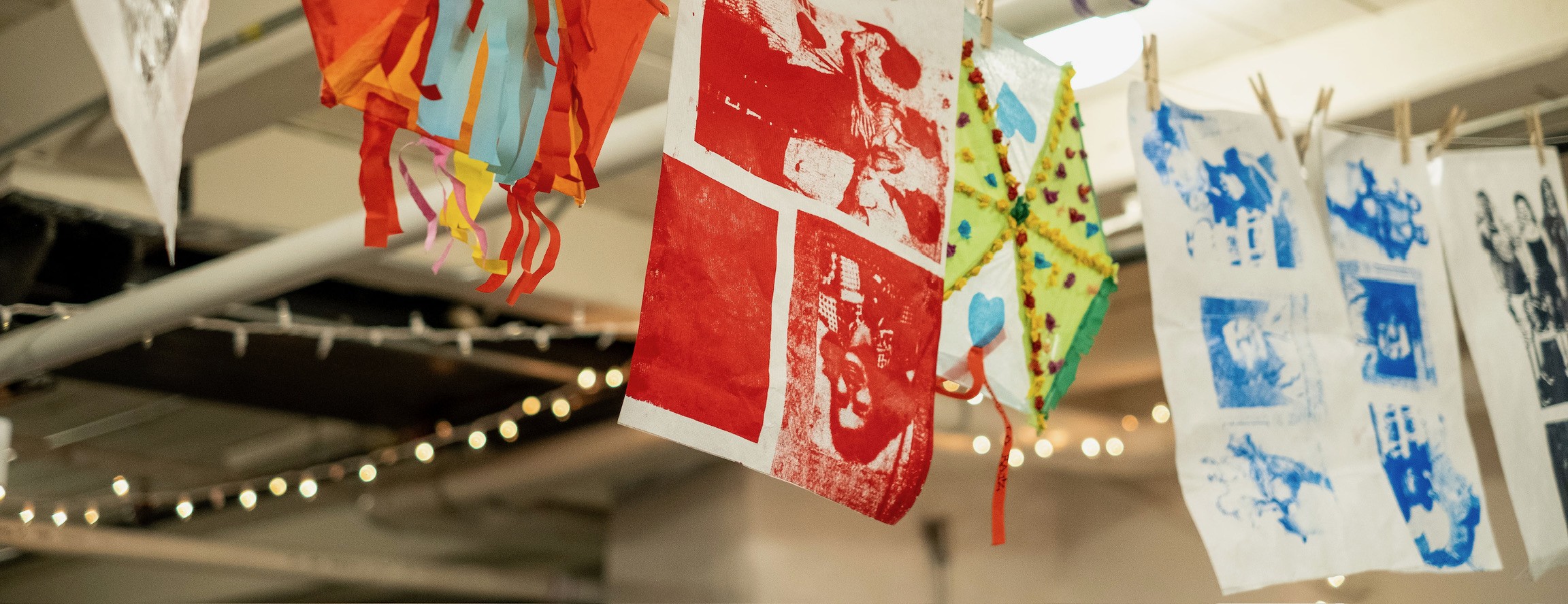
Remember: Volver a pasar por el corazón
New Bedford Whaling Museum
Coming Fall 2027
Upcoming Workshops
October 8th | 4:00-6:00pm
AHA Night! | New Bedford Whaling Museum
18 Johnny Cake Hill, New Bedford
Past Workshops
July 26th 2025 | 2:00-6:00
El Patio de Comidas Festival | CEDC New Bedford
235 N. Front Street, New Bedford
August 9th 2025 | 2:00-6:00
El Patio de Comidas Festival | CEDC New Bedford
235 N. Front Street, New Bedford
October 9th 2025 | 4:00-7:00pm
AHA Night!: Tunes, Treats, and Creative Streets | New Bedford Whaling Museum
18 Johnny Cake Hill, New Bedford
March 12th, 2026 | 4:00-6:00pm
AHA Night! | New Bedford Whaling Museum
18 Johnny Cake Hill, New Bedford
Stay Tuned for more Workshops!
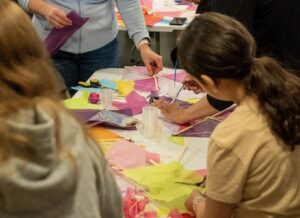
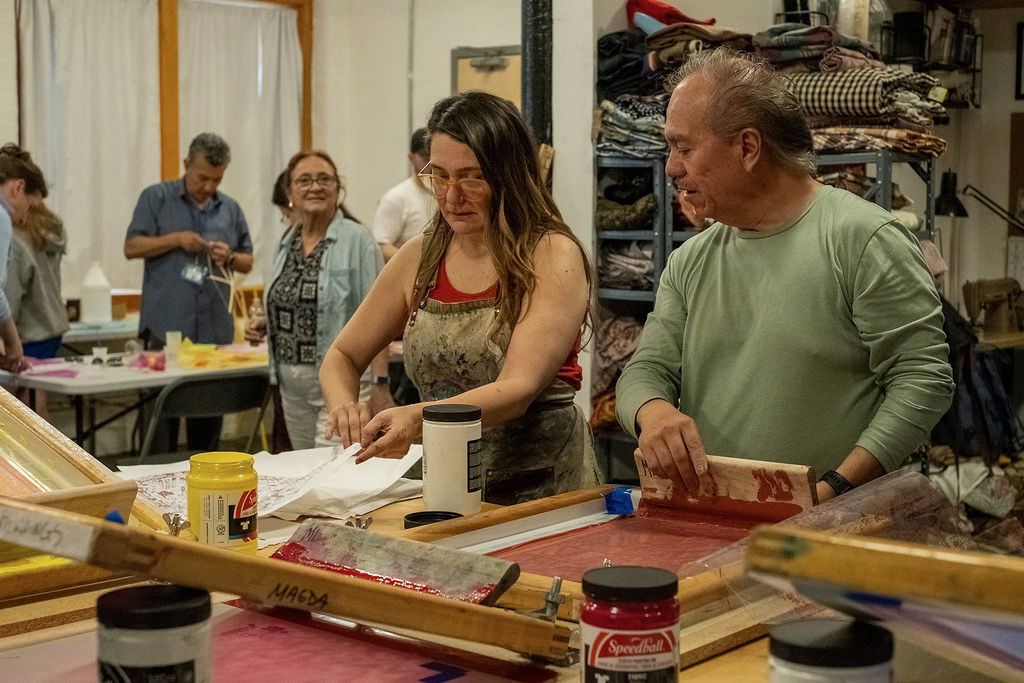
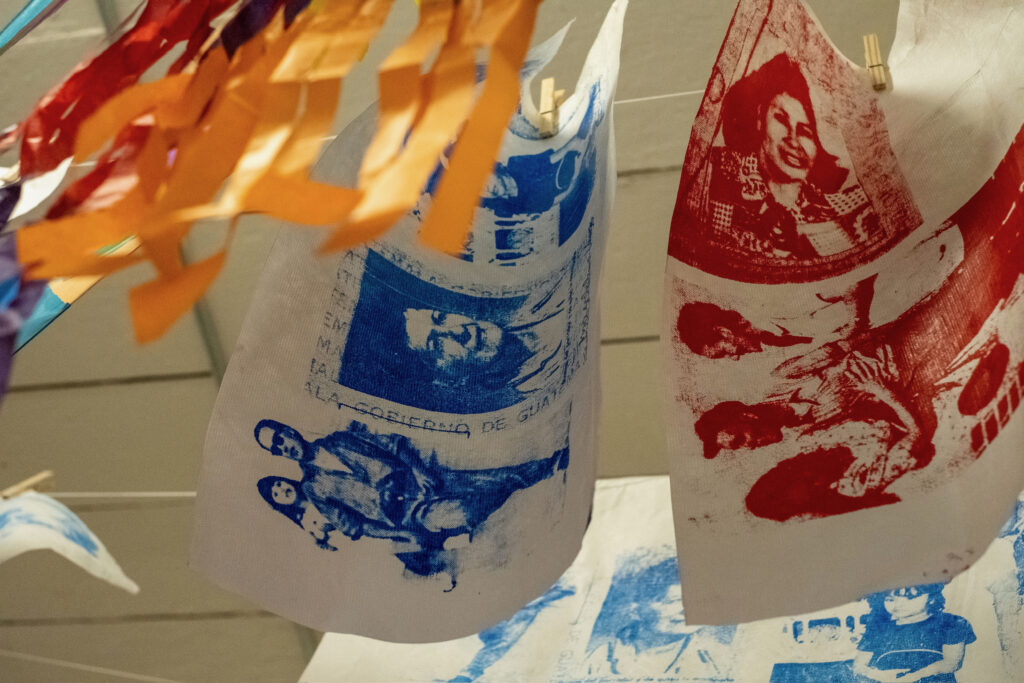
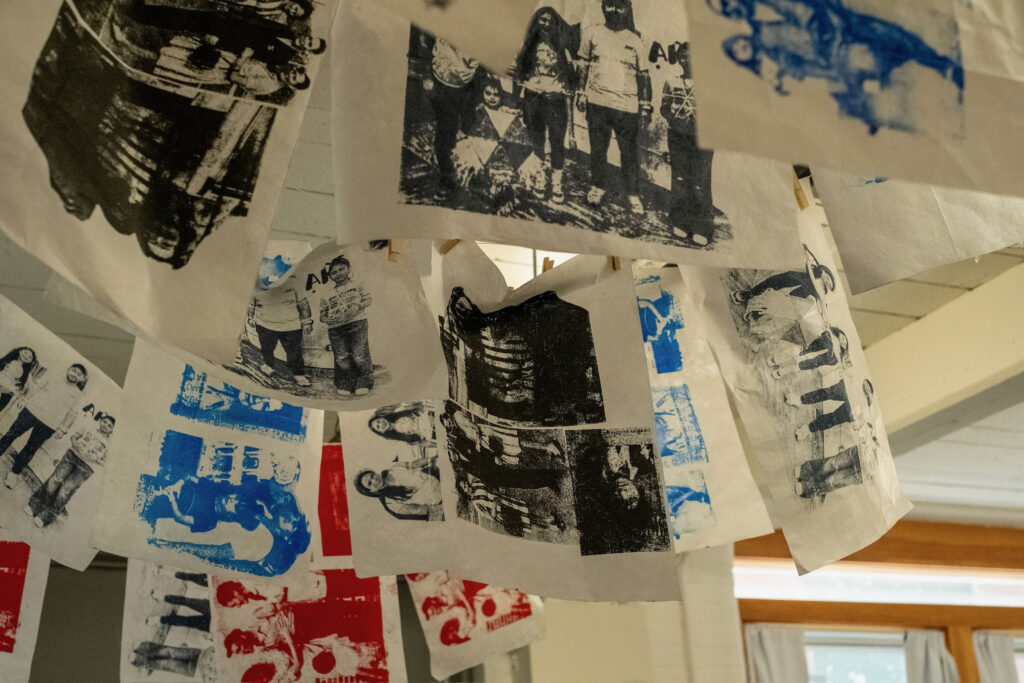
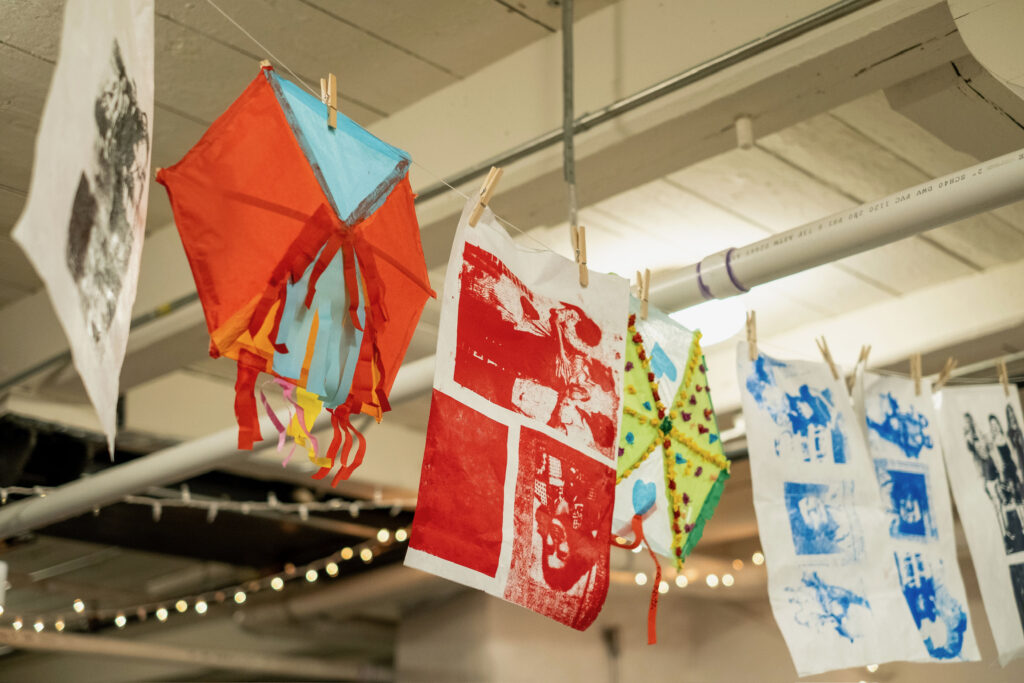
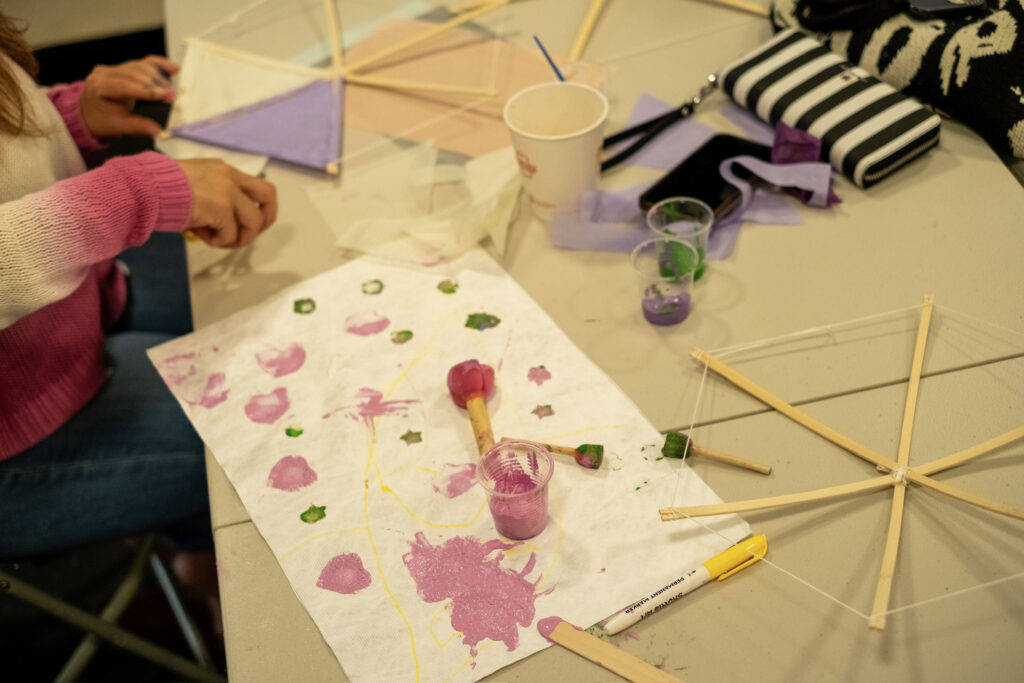
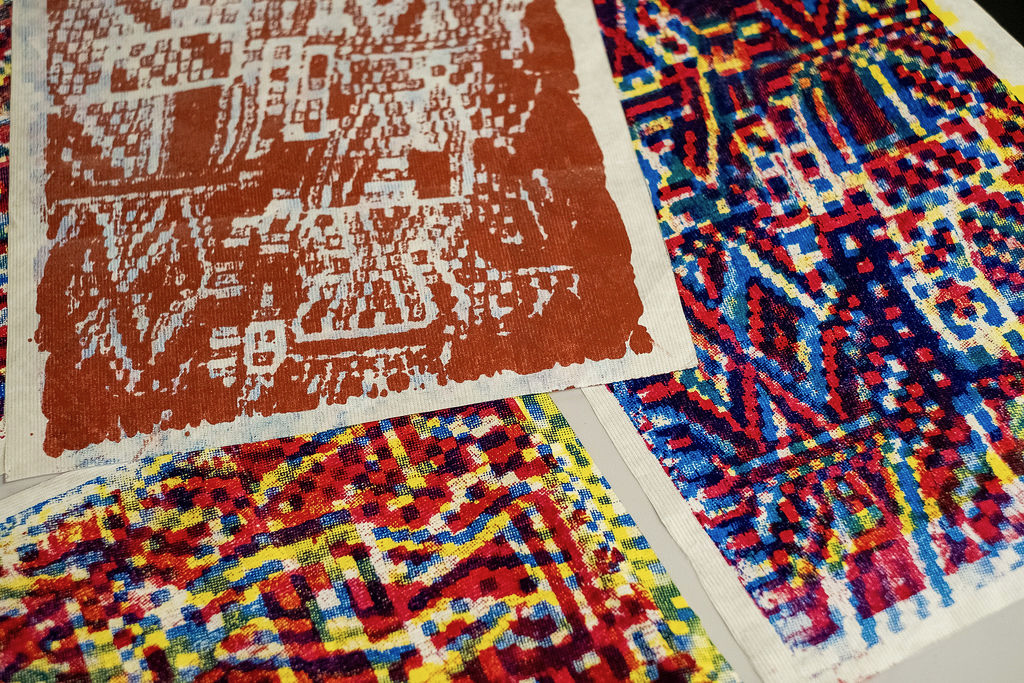
Many of the kites made in the workshops will be on view alongside other artworks, personal stories, and installations by multi-media artist Magda Leon at the New Bedford Whaling Museum in the fall of 2027. The project celebrates the histories and experiences of the Guatemalan community in the greater New Bedford area and Southcoast---drawing connections between ancient communal practices and contemporary experiences of migration, exploring the universal pursuit for belonging and community.
This 2027 community-focused exhibition is part of a larger multi-year exploration of migration and community in New Bedford and the foundational labor and industrial histories of the region.
Giant Kite Making Community Workshops
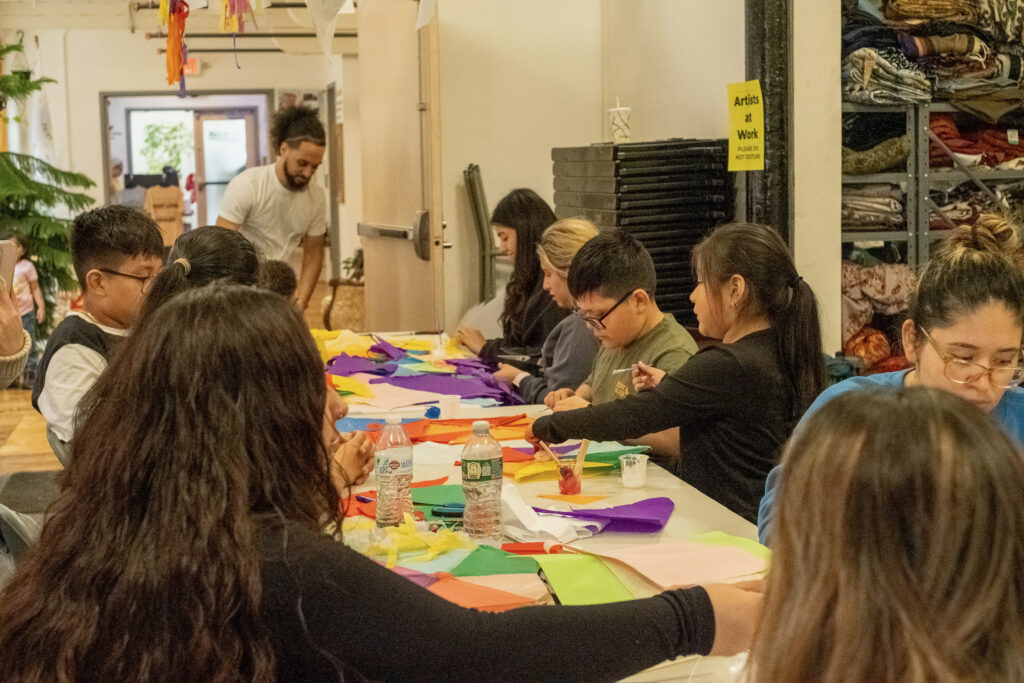
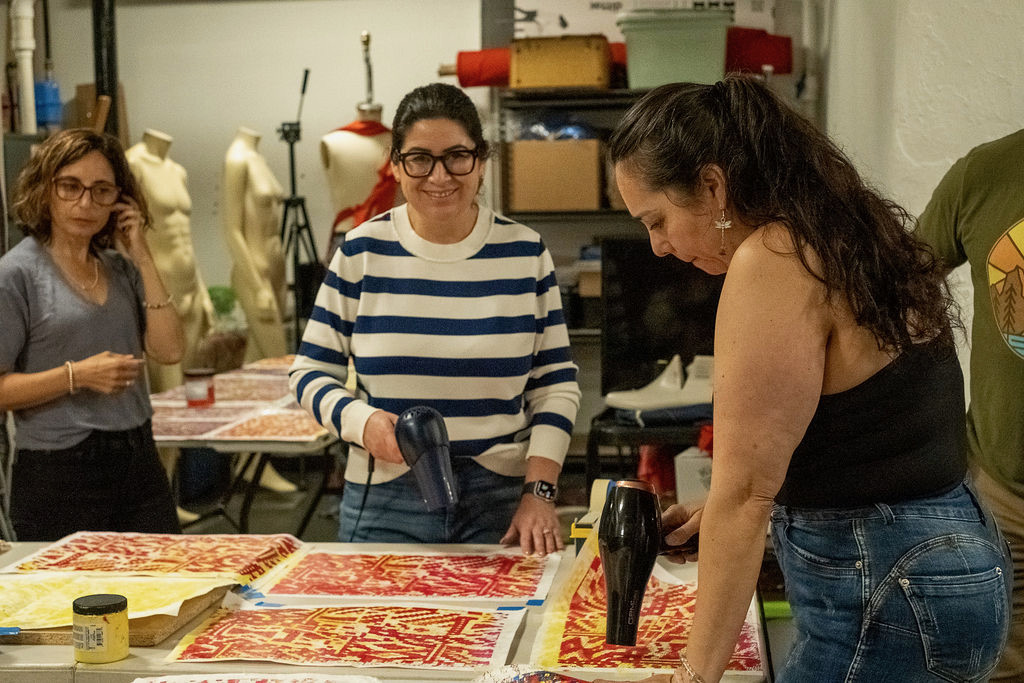
Come participate in a hands-on giant kite-making workshop with multi-media artist Magda Leon and the Guatemalan Center of New England. These giant kites, called barriletes, are inspired by a Mayan tradition from southern Guatemala where giant kites are crafted by the community throughout the year and flown in November to honor loved ones that have passed away.
Let’s build, laugh, share stories and celebrate heritage with color and creativity.
All are welcome!
BIOS
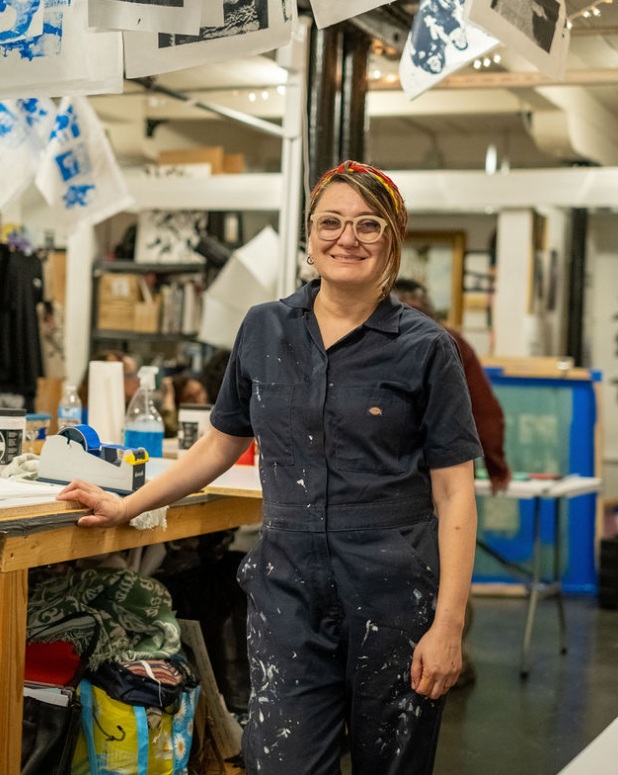
Magda Leon, a Guatemalan-born multidisciplinary artist currently residing in Providence, RI, focuses in printmaking, installation, and social practice art. Leon’s work reflects her bicultural identity, which she cariñosamente (lovingly) refers to as “De aquí y de allá”.
The Guatemalan Center of New England promotes and shares Guatemalan culture, establishes cultural connections between Guatemala and New England, and identifies and develops strategies to address the needs of Guatemalans in the region.
https://www.guatemalancenter.org/

Community Economic Development Center | New Bedford
Our CEDC seeks to create a more just local economy by building bridges to resources, networks, and cooperative action for new immigrants and working families to find their way to economic opportunity.
Photo Credit: Jenni Ugarte